Is Anza-Borrego Better Than Joshua Tree?
A decision guide comparing Anza-Borrego and Joshua Tree National Park on landscape, crowds, cost, stargazing and guided tour options, with verified Joshua Tree facts.
Is Anza-Borrego Better Than Joshua Tree?
Neither park is simply better, and any honest answer starts there. Anza-Borrego rewards travelers who want wide, quiet basin scenery and self-guided wandering, while Joshua Tree National Park concentrates weird granite rock piles, a namesake forest, four designated stargazing areas and a deep bench of permitted guided tours into one compact drive. If you want structure, guiding and a dramatic night sky, Joshua Tree wins on the evidence this site can verify. If that night sky is the main draw, our comparison of Joshua Tree and Death Valley for stargazing lays out the dark-sky areas, tour options and timing side by side so you can pick the right park.
The question usually arrives after someone has seen photographs of both parks and noticed they look nothing alike. One is a high Mojave desert of boulders and twisty trees, the other a low Colorado desert of badlands, washes and wildflower fame. They sit a few hours apart in Southern California, and plenty of visitors treat the choice as either-or for a single weekend.
This site covers Joshua Tree, so the comparison below leans on what can be verified about Joshua Tree National Park directly: its published fees, its seasonal rules, its weather patterns and its roster of bookable guided tours. Anza-Borrego gets a fair hearing on the decision criteria, but no numbers are printed for it here, because none have been verified for this site. Where a criterion favors one park, that is stated plainly. Where it depends on your travel style, that is stated too. For a fuller picture of the park's appeal, from its namesake trees to its night skies and guided tours, read why the Joshua tree and its desert landscape stand apart.
A useful framing: Anza-Borrego is a park you explore mostly on your own initiative, while Joshua Tree is a park that has built a whole ecosystem of licensed guiding around its terrain. The park requires commercial guides to hold a permit to work inside its boundaries, which is why the tour options there run from a $16.99 self-driving audio tour up to a full-day guided hike at $409 per person. That spread matters when you are deciding which park gives you more for your money and your limited time.
What Kind Of Desert Trip Are You Actually Planning?
Start by sorting trips into three types: the self-drive sightseeing trip, the guided adventure trip and the night-sky trip. Joshua Tree serves all three with verified infrastructure, from a $30 private vehicle entrance pass to permitted climbing guides and four designated stargazing parking areas. Anza-Borrego primarily serves the first type, self-guided exploration, and travelers who prioritize solitude over services tend to prefer it for exactly that reason. If the night-sky trip is the one that appeals most, our Joshua Tree versus Death Valley stargazing comparison covers the designated dark-sky zones, tour options and fees for both parks.
If your ideal day is loading a cooler into your own car, stopping where the light looks good and turning around when you are tired, both parks can host you. At Joshua Tree that trip costs $30 for a seven-day private vehicle pass, and the park is open 24 hours a day, every day of the year, with no timed-entry reservation required. Those are facts the park publishes on its own fees page, and they shape the whole comparison.
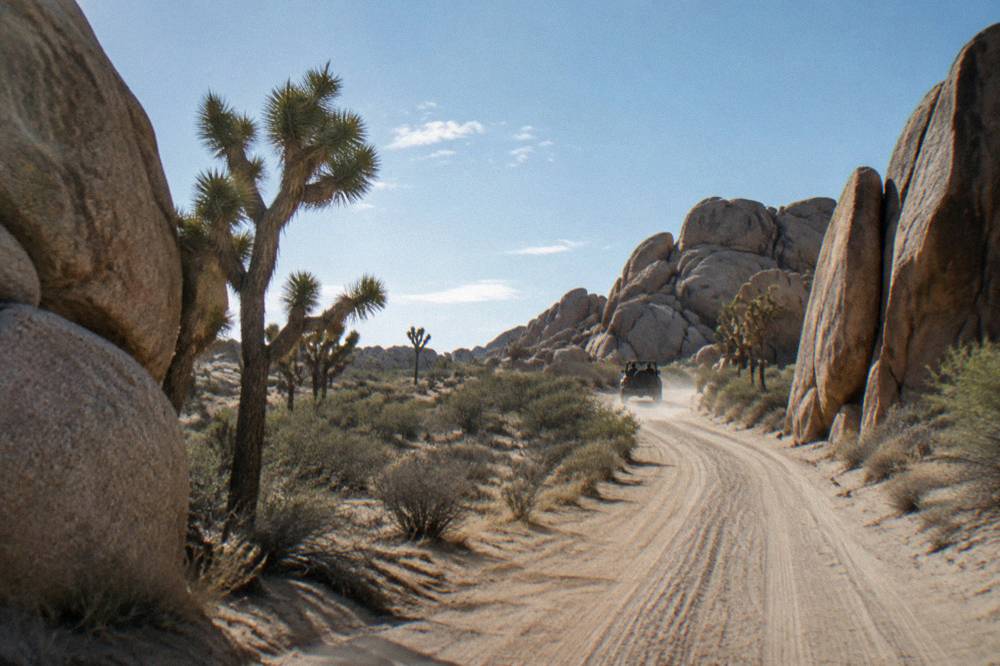
If your ideal day involves someone else handling the route, the timing and the parking, Joshua Tree is the stronger choice on this site's own roster. The Offroad 4x4 Park Tour runs five hours from a Palm Desert meeting point at from $249 per person, rated 4.9 across 471 reviews, and covers backcountry terrain most sedans cannot reach. A guest named Kelly described it in a review as a way to "make the most of limited time inside the park," which is the exact problem a comparison shopper is trying to solve.
The middle option is the van tour. The Paved Road Van Tour from $249 per person keeps to the park's paved loop with live commentary, bottled water and snacks included, rated 4.9 across 302 reviews. Maria, a guest on that tour, praised her guide's knowledge of the Palm Desert area and the park's flora and fauna. For a traveler weighing Anza-Borrego's do-it-yourself character against Joshua Tree's guided options, this is the honest trade-off: one park asks you to be your own guide, the other sells you a good one.
How Do The Two Parks Compare On Landscape?
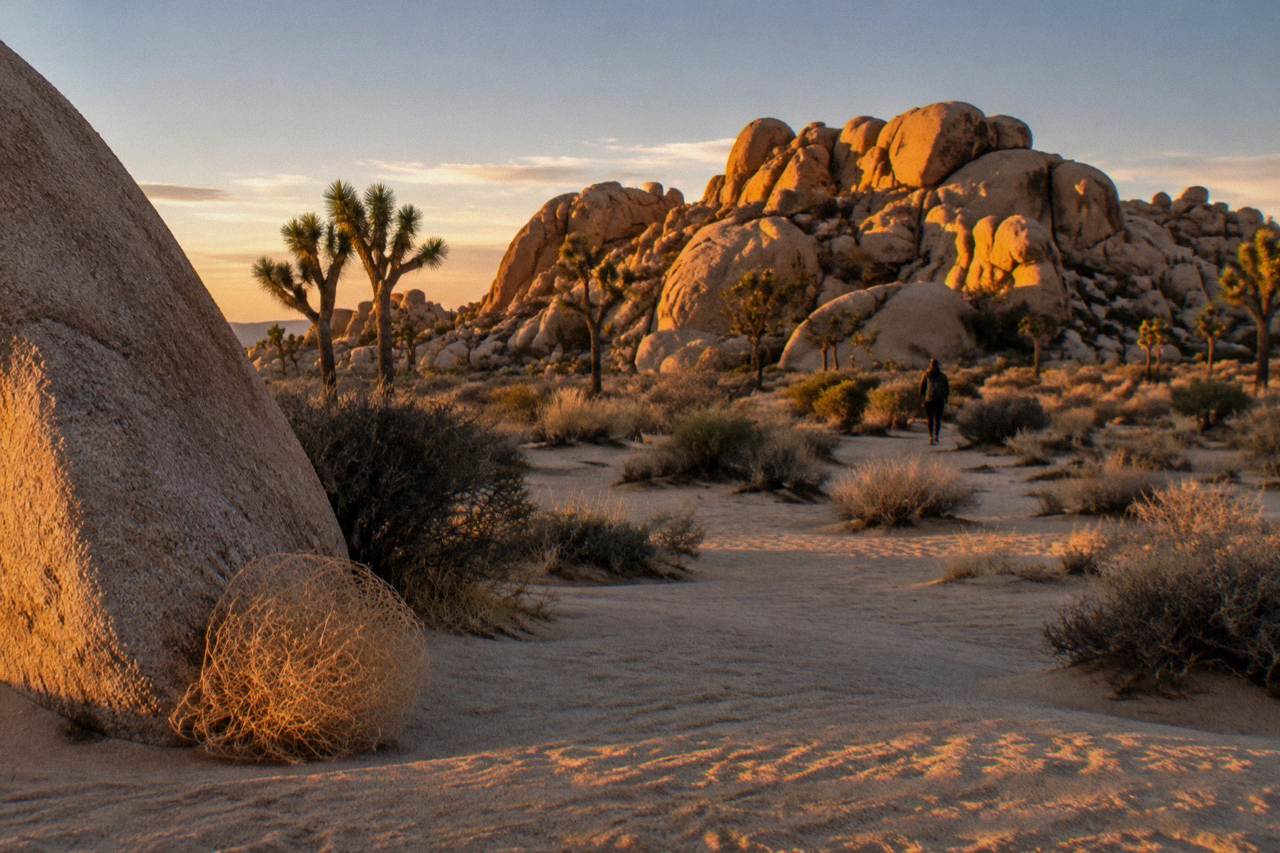
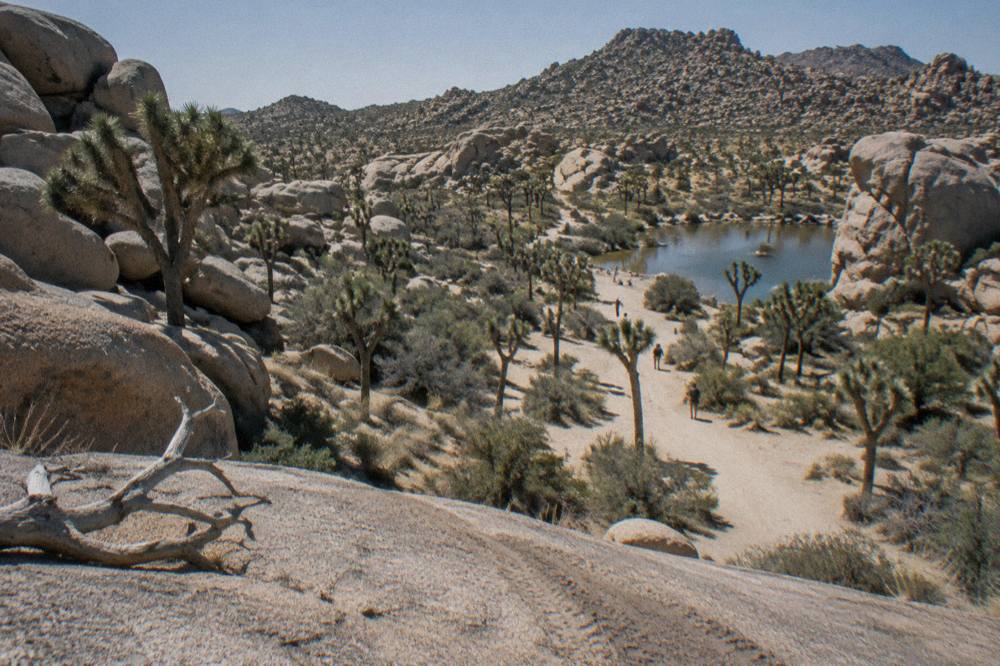
Anza-Borrego offers vast basin-and-range scenery, desert washes and famous spring wildflower blooms across a very large state park footprint. Joshua Tree offers a compressed, almost theatrical landscape: two deserts meeting inside one boundary, giant granite boulder formations you can climb, and the Joshua tree forest that gives the park its name. For variety per mile driven, Joshua Tree is hard to beat.
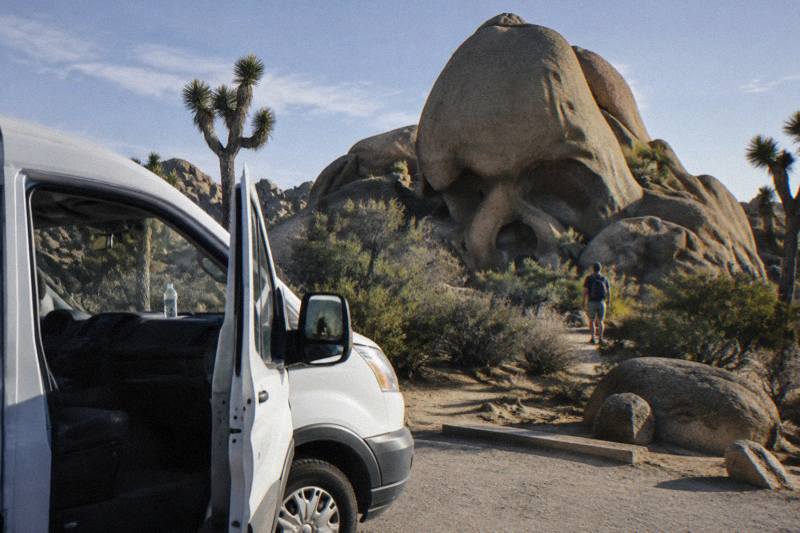
The two-deserts detail is the part first-time visitors underestimate. Joshua Tree National Park sits where the Mojave and Colorado deserts meet, and the park's elevation runs from 536 feet to 5,814 feet at Quail Mountain. Drive from the south entrance up Park Boulevard and the vegetation visibly shifts, from creosote flats to the namesake trees and stacked boulder piles around Hidden Valley and Skull Rock. The park's own pages describe this transition, and it is the reason a five-hour tour can feel like visiting two different parks.
Anza-Borrego's appeal is different in kind. It is a park of distance and emptiness, of badland canyons and wide washes, where the reward is solitude rather than density of landmarks. Travelers who come back from Anza-Borrego raving usually mention the quiet. Travelers who come back from Joshua Tree raving usually mention a specific rock formation, a climb, or a night sky session. If that night sky session is the part of Joshua Tree calling your name, a practical look at staying safe in the park after dark covers what you should know before the sun goes down.
For landscape density, the Sightseeing Adventure Tour from $99 per person is the budget way to test it: four to five hours with private transportation, a guide, water and snacks, rated 4.9 across 178 reviews. Jack, a guest on that tour, noted the guide texted arrival details ahead of time and knew the terrain, flora and fauna. That price point is worth noting in any comparison, because it makes a guided Joshua Tree day cheaper than many travelers assume.
Is Anza Borrego Better Than Joshua Tree?
On the criteria this site can verify, Anza-Borrego is better only for travelers whose top priority is solitude and self-guided exploration. Joshua Tree is better for guided experiences, climbing, structured stargazing and landscape variety per hour of driving. The honest verdict is that most first-time desert visitors enjoy Joshua Tree more, while repeat desert visitors often prefer Anza-Borrego's emptiness.
Break the decision into the criteria that actually move a booking. Crowds: Joshua Tree publishes its own busy-season guidance, flagging holidays, weekends from October to May and spring break from March to mid-April as its crowded windows, so a visitor who wants quiet can still find it by visiting midweek in the cooler months. Services: Joshua Tree has no gas stations, restaurants, grocery stores or hotels inside the park and no water in the interior, so every trip requires provisioning in the gateway towns of Joshua Tree, Yucca Valley or Twentynine Palms.
Guiding: this is where the gap is widest. Joshua Tree's permitted-operator ecosystem covers road-based tours, guided hiking, climbing instruction and photography outings, per the park's commercial use rules. The roster on this site alone spans jeep tours, van tours, e-bike rentals, electric motorbike tours, climbing trips, rappelling, stargazing sessions and audio tours. Anza-Borrego does not offer anything comparable that this site has verified.
The table below summarizes the verified Joshua Tree side of the decision, with the Anza-Borrego column left to your own research rather than invented numbers.
| Decision criterion | Joshua Tree (verified) | Anza-Borrego |
|---|---|---|
| Entrance fee | $30 per private vehicle, 7 days | Check the state park's own pages |
| Timed-entry reservation | Not required, park open 24/7 | Check the state park's own pages |
| Guided tour roster | 28 bookable products on this site, from $16.99 | Not verified for this site |
| Designated stargazing areas | Four, with published etiquette | Not verified for this site |
| Water inside the park | None in the interior | Not verified for this site |
| Best for | Guided trips, climbing, night sky | Solitude, self-guided wandering |
When Should You Visit Each Park?
Joshua Tree is best from late fall through spring, when daytime highs run roughly 70 to 85 F and nights sit near 50 F. Summer brings highs around 100 F or more, an annual campfire ban from June 15 to October 1, and the seasonal closure of the 49 Palms Oasis Trail from June 1 to September 30. Time an Anza-Borrego trip the same way, around cool months, since low-desert heat is the shared hazard.
The seasonal facts for Joshua Tree come straight from the park's published conditions guidance, which advises checking forecasts, carrying ample water and avoiding midday activity in summer. Spring and fall are the sweet spot for both parks, and spring carries one caveat at Joshua Tree: the March to mid-April spring break window is one of the park's flagged busy periods, alongside holiday weekends from October through May.
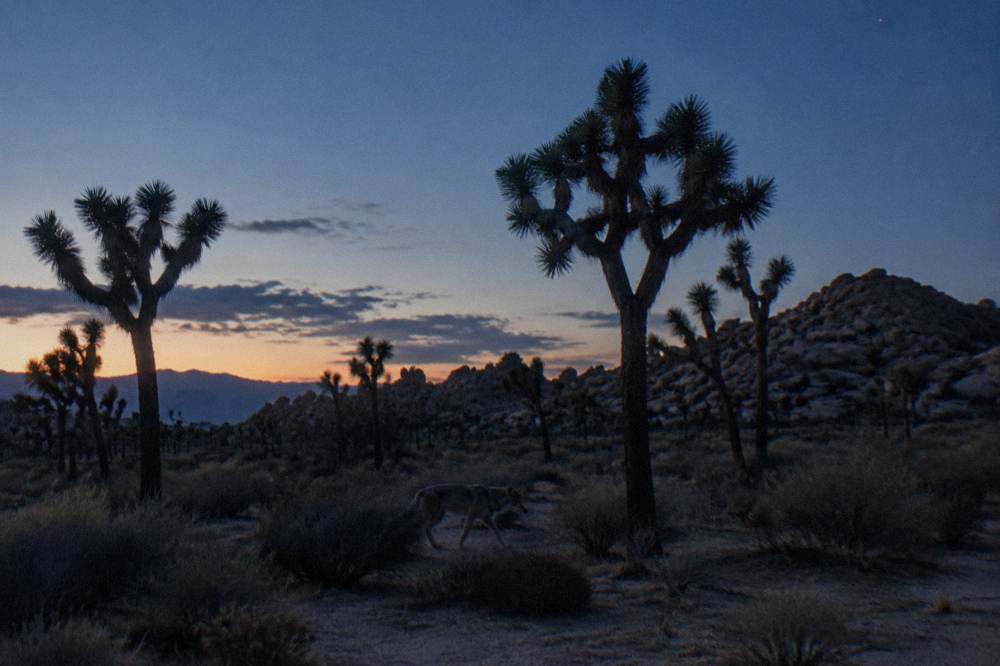
Winter deserves a mention because it is underrated. Highs around 60 F make winter the most comfortable season for long days on foot, and the park never closes for the season. A half-day guided hike from $335 per person, rated 5.0 across 122 reviews, is a winter-friendly format, since the guide handles route selection and pacing. Cynthia, a guest on that hike, called it "like taking a masters class in one of the most beautiful places in the US (see Most Beautiful Hike)."
What Does A Joshua Tree Trip Cost?
A self-drive Joshua Tree day costs $30 per private vehicle for a seven-day pass, or $15 per person on foot or bicycle, with children under 16 free. Guided tours run from $16.99 per person for a self-driving audio tour to $409 per person for a full-day guided hike. An annual park pass costs $55, and guided-tour guests pay a $15 per person entrance fee or use their own valid pass.
Those figures all come from the park's fees page and from the tour listings themselves. The guided-tour guest rule matters for comparison shoppers: if a tour's roster line does not say park admission is included, assume you pay the $15 per person entrance fee at the booth or show your own pass. Some tours do include it, like the Backroads Hummer H2 Tour from $159 per person, which lists General Admission among its inclusions, so reading each listing's fine print is part of the cost math.
| Cost item | Joshua Tree figure | Basis |
|---|---|---|
| Private vehicle pass | $30 | 7 days, all passengers |
| Per person, foot or bicycle | $15 | 7 days, ages 16 and up |
| Annual park pass | $55 | 12 months |
| Budget guided option | from $16.99 | Self-driving audio tour, per person |
| Mid-range guided option | from $99 | Sightseeing Adventure Tour, per person |
| Premium guided option | from $409 | Full-day guided hike, per person |
Against Anza-Borrego, the comparison depends on that park's own fee structure, which this site has not verified, so no number is printed here. What can be said is that Joshua Tree's guided options span a wide price range, and the low end of it, the audio tours, costs less than a family's vehicle pass. The Self-Driving Audio Tour at from $16.99 per person, rated 4.5 across 806 reviews, is the largest review pool on this site's roster, and April, a guest, called it "fun & easy to do at our own pace."
Can You See Both Parks On One Trip?
Yes, geographically, since the parks sit a few hours apart by road in Southern California, though this site has no verified drive time to print, so check a maps app for current routing. A realistic approach is to base in one gateway town, give each park a full day, and accept that you will only scratch the surface of both. Travelers with a single weekend should pick one park and go deep rather than split the time.
The deep-versus-broad question is where guided tours earn their keep at Joshua Tree. A visitor with one day can either self-drive the paved loop or hand the day to a permitted operator. The Local Expert Park Tour from $159 per person runs three hours from the Yucca Valley area with snacks, WiFi and air conditioning, though its review pool is too small for a star claim. Janice, a guest, said the operator "covers a lot of local history, culture geology foliage."
For travelers pairing the parks, the practical Joshua Tree formats are the short ones: the three-hour Local Expert tour, the two-and-a-half-hour Electric Motorbike Tour from $169 per person, or the two-hour Starlight Hike from $95 per person. The motorbike tour, rated 4.8 across 19 reviews, meets in the Twentynine Palms area, and Joanne, a guest, said the bikes "were easy to operate." These compact options leave room in a two-park itinerary for the drive between them.
Which Park Is Better For Stargazing?
Joshua Tree is a designated International Dark Sky Park with four published stargazing areas, Quail Springs, Hidden Valley, Cap Rock and Ryan Mountain, and the darkest skies at Cottonwood Campground and along Pinto Basin Road. Anza-Borrego also has dark-sky standing, but this site has not verified its details, so the comparison rests on what Joshua Tree verifiably offers: designated areas, published etiquette and bookable guided sessions. To see how the park's famous trees and rocky landscapes measure up beyond the night sky, our guide to what makes Joshua Tree National Park special has the full picture.
The park's own stargazing guidance asks visitors to use red lights only, since eyes need 20 to 30 minutes to adapt, to stay within 20 feet of the vehicle in the designated lots, and to avoid bright moonlight, which washes out the stars. The Milky Way's galactic center is at its best on moonless summer nights, and "paint with light" techniques are not permitted for night photography.
One distinction matters for booking. The Professional Stargazing Night from $200 per person, rated 4.9 across 179 reviews, runs on private land just outside the park in Yucca Valley, not inside the national park, and no park pass is involved. It includes telescopes, an astronomer, astro-binoculars, blankets and hot drinks. The Starlight Hike from $95 per person, by contrast, includes access to a trailhead inside the park, so a pass or the entrance fee applies. James, a guest on the stargazing night, called the team "very knowledgeable and very nice."
For a deeper dive into the night-sky side of the park, the site's guide to stargazing in Joshua Tree covers the designated areas in detail, and the best month for stargazing handles the timing question. Comparing parks on stars alone, a traveler who wants a telescope, an astronomer and a recliner chair should weight Joshua Tree's guided options heavily; a traveler content with a dark pullout and their own eyes can find that in either park.
Which Park Should You Actually Book?
Book Joshua Tree if you want guided structure, climbing, a dense concentration of landmarks, a permitted tour ecosystem and organized stargazing. Book Anza-Borrego if your priority is solitude, self-guided wandering and wide-open basin scenery, and if you are comfortable planning everything yourself. Splitting a long trip between both parks works, but one park done properly beats two done in a rush.
The final tiebreaker for most readers of this site is time efficiency. Joshua Tree compresses its highlights into a drivable core where a five-hour tour can cover backcountry roads, boulder formations and photo stops in a single loop. That is the pitch behind Joshua Tree Park Tours as a resource: the park rewards guiding because its best bits are specific places at specific times of day, and permitted operators know both. The Offroad 4x4 Park Tour, the featured option in this comparison, handles exactly that problem.
For readers who want to keep researching rather than book yet, two next steps help. The site's breakdown of Joshua Tree jeep and 4x4 tours covers the vehicle-based options in detail, and the Joshua Tree guided hikes and park tours hub does the same for the hiking and van formats. Whichever park wins your weekend, the weather guidance holds for both: check the forecast before you go, carry more water than feels reasonable, and treat summer heat as a scheduling problem rather than a gear problem. The park's conditions page is the authoritative source for current status before any desert trip.
Common Questions About Anza-Borrego Vs Joshua Tree
Is Anza-Borrego Better Than Joshua Tree?
Not objectively. Anza-Borrego suits travelers chasing solitude and self-guided exploration, while Joshua Tree offers verified advantages in guided tours, climbing, landscape density and organized stargazing. Most first-time desert visitors report a richer experience at Joshua Tree; repeat visitors seeking quiet often prefer Anza-Borrego.
Is Anza Borrego Better Than Joshua Tree?
It depends on your priorities. Anza-Borrego is the better pick for emptiness and independent wandering. Joshua Tree is the better pick for structure, with 28 bookable guided products on this site's roster, a $30 private vehicle entrance pass and four designated stargazing areas.
Can You Visit Both Parks In One Trip?
Yes, the parks sit a few hours apart in Southern California, though this site has no verified drive time, so check a maps app. Give each park at least one full day and base yourself in a gateway town such as Joshua Tree, Yucca Valley or Twentynine Palms for the Joshua Tree leg.
Which Park Is Better For Stargazing?
Joshua Tree is a designated International Dark Sky Park with four designated stargazing areas and bookable guided sessions, including a Professional Stargazing Night from $200 per person on private land in Yucca Valley. Anza-Borrego also has dark skies, but this site has not verified its details.
What Does It Cost To Enter Joshua Tree National Park?
A private vehicle pass costs $30 for seven days, a motorcycle pass $25, and per-person entry on foot or bicycle is $15, with children under 16 free. An annual pass costs $55. Guided-tour guests pay a $15 per person entrance fee or use their own valid pass unless the tour listing says admission is included.
When Is The Best Time To Visit Joshua Tree?
Late fall through spring, when daytime highs typically run 70 to 85 F and nights sit near 50 F. Avoid summer heat if possible, note the annual campfire ban from June 15 to October 1, and expect crowds on holiday weekends from October through May and during spring break.