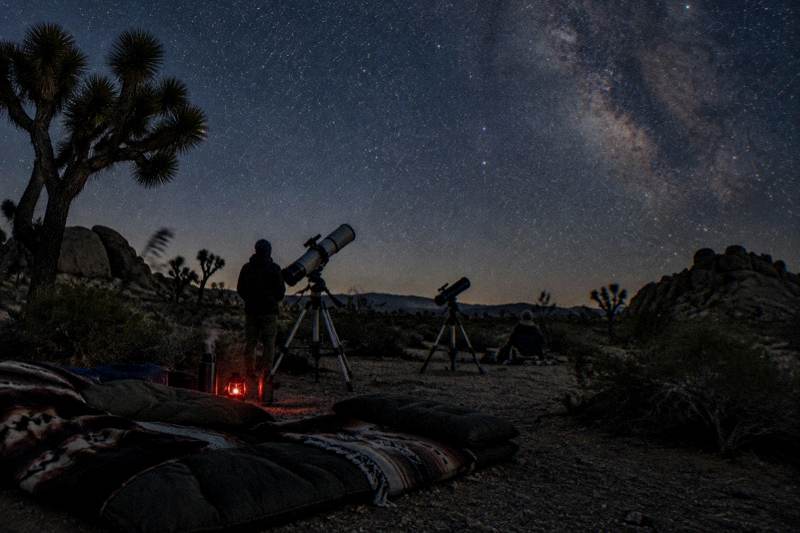
What Month Is Best For Stargazing In Joshua Tree?
Find the best month for stargazing in Joshua Tree National Park with this guide to moon phases, weather, dark sky spots, and the top stargazing tours.
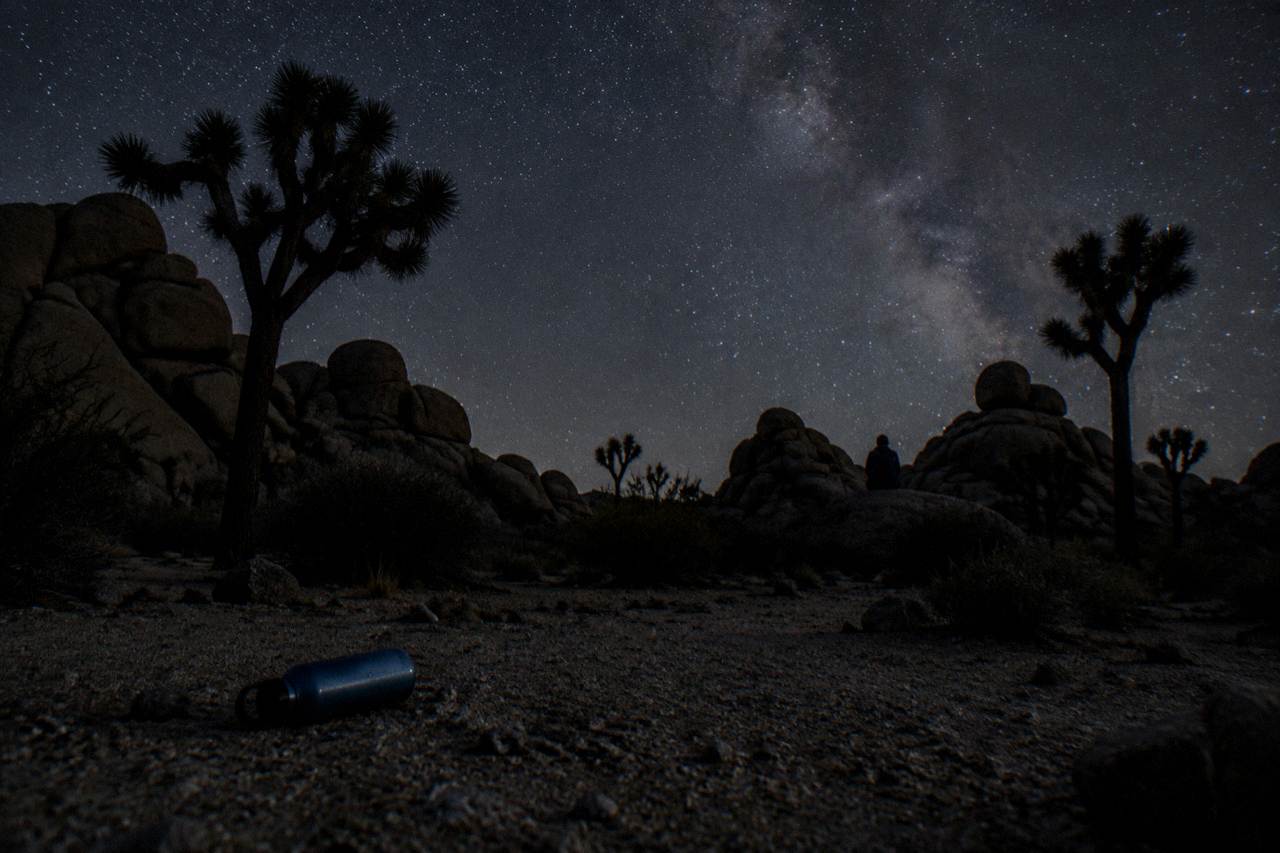
What Month Is Best For Stargazing In Joshua Tree?
The best month for stargazing in Joshua Tree depends on what you want to see. For the brightest Milky Way core, June and July usually win because the galactic center is up after dark and nights are warm. For clear, crisp skies without summer haze, April, May, September, and October are excellent. Avoid the full moon and pick a date near the new moon for the deepest darkness.
Joshua Tree National Park is one of the best stargazing destinations in the United States. The park is designated an International Dark Sky Park, and its high desert location, far from city lights, gives you thousands of stars on a clear night. That said, not every month offers the same experience. Summer brings the Milky Way but also possible air quality issues from regional haze. Spring and fall have pleasant temperatures but shorter windows for the galactic core. Winter nights are very dark and clear, but they are cold enough to make a long stargazing session uncomfortable unless you pack carefully. No matter which month you pick, the park rewards daytime exploring too, and our guide to what makes the Joshua tree and its park so special covers the trees, the landscape, and the guided tours that round out a visit.
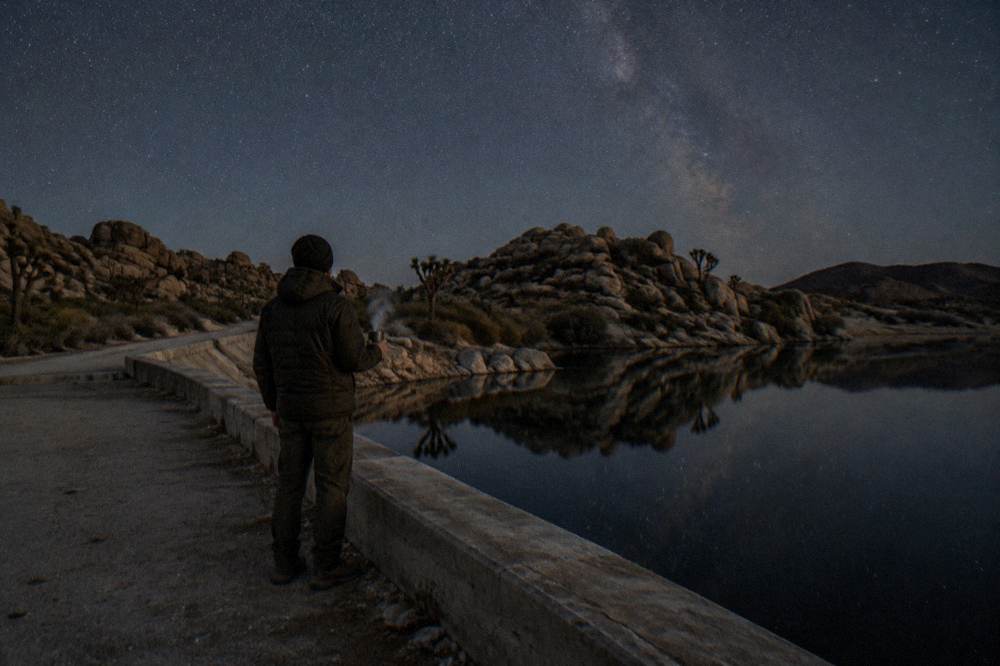
The first decision is whether you want to see the Milky Way or just a sky full of stars. The Milky Way's bright center sits in the constellation Sagittarius and is best visible during summer evenings. The park publishes that the Milky Way, including its galactic center, is at its best on moonless summer nights. That means a moonless night in June or July will show you the most dramatic view. If you are less concerned about the Milky Way and just want crisp constellations and planets, then months like April, May, September, and October deliver that with more comfortable daytime temperatures for other park activities.
Another factor is moon phase. A bright full moon washes out all but the brightest stars and planets. The rule to remember is simple: the darker the moon, the darker the sky. If you can, plan your visit for a night near the new moon or during the first or last quarter, when the moon sets early or rises late. Many serious stargazers time their trips specifically around the new moon, and that often means checking a lunar calendar before you book. The park does not publish moon phase dates on its website, so you will need to use a separate calendar or ask a stargazing tour operator about the best dates.
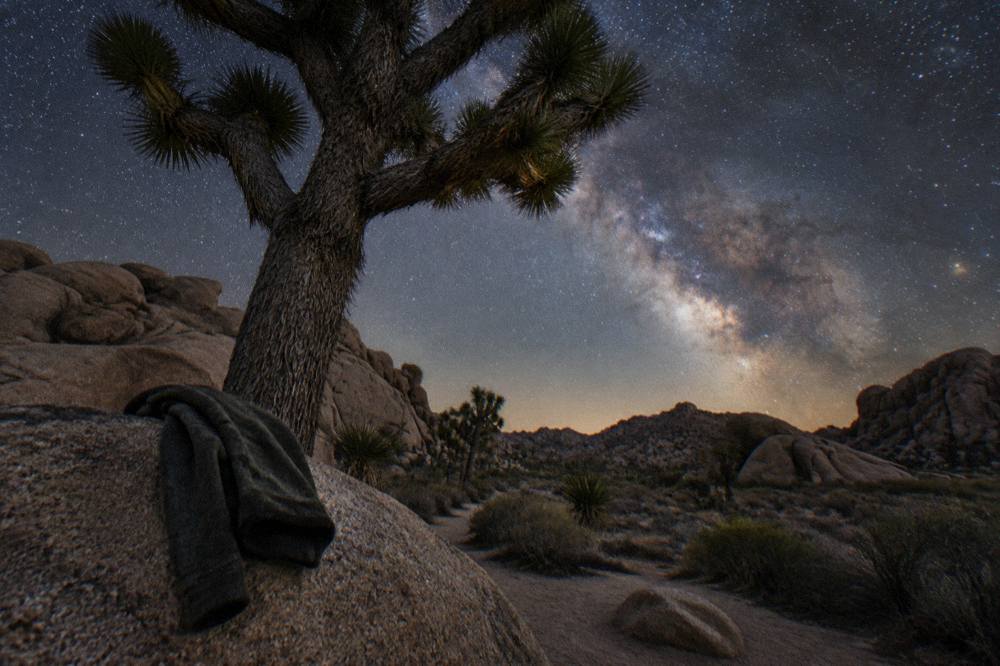
What Is The Best Month To Go To Joshua Tree?
If your main goal is stargazing, the best month to go is whichever one gives you a long, dark night with comfortable temperatures and clear skies. For most visitors, that means June or July for the Milky Way, or September and October for a balance of dark skies and mild evenings. The park's weather patterns show spring and fall highs around 70 to 85 F, while summer nights stay near 75 F.
The answer changes if stargazing is only one part of your trip. Many travelers ask this question because they plan to hike, climb, or sightsee during the day and stargaze at night. The park's first-time visitor page states that spring and fall have daytime highs typically 70 to 85 F and overnight lows around 50 F. That is comfortable for hiking all day and then staying out after dark with a jacket. Winter days are around 60 F, and nights drop near or below freezing, which makes stargazing possible but less pleasant unless you have serious cold weather gear.
Summer is the classic Milky Way season, but it comes with trade offs. Daytime highs often exceed 100 F, and the park notes that air quality may be poor in summer. That haze can reduce the sharpness of stars even at night. If you still want summer stargazing, aim for the first half of the night after sunset, when the temperature is still warm, and keep an eye on the forecast for any monsoon or wildfire smoke. The annual summer heat also closes one trail, 49 Palms Oasis Trail, from June 1 to September 30, which matters if you plan to hike it during the day.
September and October are often overlooked but excellent for stargazing. The daytime heat starts to back off, and the nights are still mild enough to sit out for an hour. The Milky Way core remains visible in the early evening for part of September, and by October you have more hours of true darkness before the moon rises. The park's October nights can be cool, around 50 to 60 F, so bring a warm layer. Because the park is open 24 hours a day, you can drive in after sunset, find a designated stargazing area, and stay as long as you like. Joshua Tree Park Tours recommends checking the park's conditions page before you go, since desert weather can shift quickly.
| Month | Milky Way | Typical Night Low | Sky Clarity Notes |
|---|---|---|---|
| April | Partial view late night | Around 50 F | Clear and dry, good all around stargazing. |
| May | Rising earlier, core visible after midnight | Around 50 F | Comfortable, low haze. |
| June | Bright core after dark | Near 75 F | Warm nights, possible summer haze. |
| July | Bright core after dark | Near 75 F | Warmest nights, watch monsoon moisture. |
| September | Core visible early evening | Around 60 F | Less haze, pleasant nights. |
| October | Fading but still visible early | Around 50 F | Crisp, dark, long nights. |
| December | Not visible | Near or below freezing | Very clear but cold. |
What Is The Best Month To Visit Joshua Tree?
The best month to visit Joshua Tree for stargazing is not the same as the best month for a general park visit. General visitors often prefer March, April, October, or November for mild daytime weather. Stargazers should lean toward May, June, July, September, or October, with the summer months best for the Milky Way and the shoulder months best for overall comfort.
If you are planning a trip that includes both daytime park exploring and nighttime stargazing, the shoulder months of April, May, September, and October are the sweet spot. In these months, you can hike the trails or climb the rocks during the day without extreme heat, then stay out after dark without shivering. The park's spring and fall temperature ranges of 70 to 85 F for highs and around 50 F for lows are ideal for a full day in the park. You also avoid the extreme summer air quality issues that can dull the night sky.
Summer, specifically June and July, is when the Milky Way core is highest and brightest after dark. That is a huge draw for photographers and first time stargazers who want to see the band of our galaxy. The catch is the heat: daytime temperatures often top 100 F, and the park warns that air quality may be poor. If you visit in summer, plan to rest in air conditioned spaces during the afternoon, then head out after sunset. The nightly low near 75 F means you can wear light clothing and still be comfortable, but bring water and a headlamp with a red setting.
Winter stargazing in Joshua Tree is underrated. The skies are often very clear and the air is dry, which makes stars appear sharp. The downside is the cold: overnight lows near or below freezing are common, and snow can fall at higher elevations. If you are willing to bundle up in a heavy jacket, hat, and gloves, a winter night can be spectacular. The Milky Way core is not visible in winter, but you can see bright constellations like Orion, Taurus, and Gemini, plus planets when they are up. Just remember that cold weather drains batteries quickly, so keep your phone and camera inside your jacket when not in use.
Can You Really See The Milky Way In Joshua Tree?
Yes, you can really see the Milky Way in Joshua Tree, especially in the summer months when the galactic center is visible after dark. The park itself states that the Milky Way, including the galactic center in Sagittarius, is at its best on moonless summer nights. You need a clear sky, a dark location, and eyes adapted to the dark. Once you've picked your moonless night, our guide to what makes Joshua Tree National Park so special covers everything from the trees themselves to the guided tours.
Many first time visitors are skeptical that the Milky Way can be seen so close to a major metropolitan area like Los Angeles. The truth is that Joshua Tree's high desert location and its International Dark Sky Park designation make a huge difference. The park sits away from the worst light pollution, and the surrounding towns are small enough that the night sky remains dark. On a moonless night in June or July, the Milky Way appears as a bright, hazy band stretching across the sky, with the galactic center near the southern horizon. This is one reason why the Joshua Tree stargazing guide gets so much attention.
To see it well, you need to give your eyes time to adjust. The park publishes that it takes 20 to 30 minutes for your eyes to fully adapt to the dark, and that you should avoid white lights. Use a red flashlight or headlamp, which preserves your night vision. Looking directly at the Milky Way with your naked eye is fine, but binoculars or a small telescope will reveal star clusters and nebulae within the band. The park's designated stargazing areas are parking lots, so you can sit in a chair next to your vehicle and look up. Stay within 20 feet of your vehicle as a general rule, and do not wander off into the desert at night.
One mistake people make is visiting during a full moon. Even a bright moon will wash out the fainter stars and make the Milky Way hard to see. Check a lunar calendar before you book, and aim for dates around the new moon. If you can only visit during a full moon, the moon itself becomes the show, and you can still see the brightest planets and constellations. But for the Milky Way, you want as little moonlight as possible.
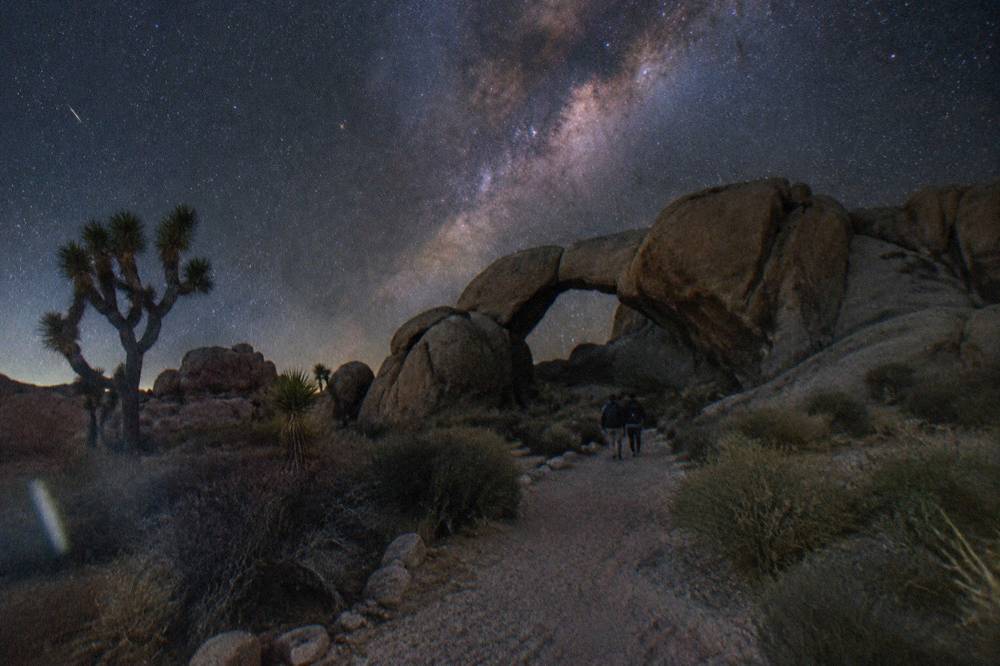
How Do Moon Phases Affect Stargazing In Joshua Tree?
Moon phases are the single biggest factor you can control besides the weather. A full moon brightens the sky so much that only the brightest stars and planets remain visible. A new moon leaves the sky almost completely dark, which is when the Milky Way and fainter stars shine brightest. The days just before and after a new moon are also very good.
The moon does not add light pollution in the traditional sense, but its reflected sunlight is bright enough to turn a dark desert sky into a twilight like glow. That is why astrophotographers and serious stargazers plan their trips around the new moon. You do not need to hit the exact new moon date; a thin crescent moon sets early, leaving the rest of the night dark. Even a first quarter moon that sets around midnight gives you several hours of dark sky before it rises. The key is to avoid the days around the full moon, when the moon is up most of the night. The Milky Way season in Joshua Tree guide goes deeper into how to time your visit.
Joshua Tree National Park does not publish a moon calendar, but you can find one online or ask a stargazing tour operator. Some operators offer stargazing sessions specifically on new moon nights, and they know exactly when the sky will be darkest. The two private land stargazing sessions in Yucca Valley, the Professional Stargazing Night and the Stargazing Experience, often schedule around moon cycles because their guests want the darkest possible sky. Both run on private land just outside the park, so they are not subject to park entrance rules, but they still benefit from the same high desert darkness.
If you are flexible with dates, use the moon phase as your first filter, then check the weather, then pick a tour or a designated parking area. That order gives you the best chance of a great night. Even if you cannot avoid a bright moon, you can still enjoy the brightest stars, planets, and the moon itself. Just set your expectations accordingly.
What Weather Makes A Stargazing Night Good Or Bad?
A good stargazing night in Joshua Tree needs clear skies, low humidity, and calm air. High thin clouds, monsoon moisture, wildfire smoke, or windy conditions can all reduce visibility. The park's weather page lists typical spring and fall highs around 70 to 85 F and summer highs over 100 F, but for night viewing, the sky transparency matters more than the temperature.
Clear skies are the most important factor. Even a few scattered clouds can block large portions of the sky, and high cirrus clouds that are almost invisible during the day can make stars look hazy at night. The park's dry desert air usually means low humidity, which is great for stargazing because water vapor scatters light. However, summer monsoon season can bring moisture and thunderstorms, especially in July and August. Those storms can produce flash flooding in washes, and the park warns visitors to monitor weather and avoid low lying areas. Stargazing during a monsoon episode is often impossible.
Wind is another issue. A light breeze is fine, but strong winds can kick up dust and make it uncomfortable to sit outside. The park does not publish a wind forecast, but you can check the National Weather Service or the park's conditions page before you go. The park's annual summer restrictions include a campfire ban from June 15 to October 1, which is a good reminder that even if you are stargazing, you cannot build a fire to stay warm. Gas stoves are allowed, but a campfire is not.
Temperature also matters for comfort, not for sky quality. Summer nights are warm, usually around 75 F, so you can wear light clothes. Spring and fall nights drop to around 50 F, so bring a jacket. Winter nights can fall below freezing, and at higher elevations snow is possible. The key is to dress in layers and bring a chair, because standing with your neck craned for an hour is tiring. A reclining chair or a blanket on the ground makes the experience much better.
Where Are The Best Stargazing Spots Inside The Park?
The park designates four stargazing parking areas: Quail Springs, Hidden Valley, Cap Rock, and Ryan Mountain. These are parking lots where you can set up a chair and look up, and the park asks you to stay awake and within 20 feet of your vehicle. For the very darkest skies inside the park, Cottonwood Campground and the Pinto Basin Road between Cholla Cactus Garden and Cottonwood are the top choices.
The four designated areas are spread out along the main park roads, so you can pick one that fits your route. Quail Springs and Hidden Valley are in the northern part of the park, not far from the West Entrance. Cap Rock is along the road to Keys View. Ryan Mountain is near the center of the park, off Park Boulevard. All of these are parking lots, not wilderness pullouts, so they are easy to find and safe to use at night (see Safe At Night). The park's stargazing page lists them, and you can link directly to that page for the most current details. The park's stargazing page also explains the red light rule and the 20 foot stay near your vehicle guideline.
If you want the absolute darkest sky inside the park, head to Cottonwood Campground or drive the Pinto Basin Road between Cholla Cactus Garden and Cottonwood. These areas are in the southern part of the park, farther from the towns of Joshua Tree and Twentynine Palms, so they have less traffic and less light pollution. The park itself states that Cottonwood Campground has the darkest skies among park campgrounds. Those locations are best for astrophotography or for seeing the faintest deep sky objects. They are also colder in winter, so bring extra layers.
Keep in mind that these spots are inside the park, which means you need a valid entrance pass. The per person entrance fee is $15 for 7 days, or a private vehicle pass is $30 for 7 days. If you already have an America the Beautiful pass, that covers you. The park is open 24 hours, so you can arrive after dark and stay as long as you like, but the fee booth may be closed. You may be asked to show a pass or pay on the way out, so keep your pass or receipt visible.
What Should You Bring For A Night Of Stargazing In Joshua Tree?
Bring a red light only, a warm layer even in summer, water, a chair or blanket, and a printed or downloaded star map. A headlamp with a red mode works well. Do not bring white flashlights or bright phone screens, because they will ruin your night vision and annoy other stargazers. A small pair of binoculars is a nice bonus.
The number one mistake visitors make is bringing a white flashlight. The park's stargazing page is explicit: use red lights only for stargazing and night activities. Bright white light not only ruins your own dark adaptation, but it also ruins the experience for everyone nearby. Your eyes need 20 to 30 minutes to fully adjust to the dark, and one flash of white light resets that clock. A red headlamp or a small red flashlight costs a few dollars and makes a huge difference. If you do not have one, cover a white flashlight with red cellophane or use the red setting on your phone, but keep the screen brightness low.
Warm clothing is essential, even in July. The desert loses heat fast after sunset, and temperatures can drop 30 to 40 degrees from the daytime high. A summer night with a low near 75 F sounds warm, but if you are sitting still for an hour, you will feel the chill. Bring a light jacket or a hoodie in summer, and a heavy puffy jacket, hat, and gloves in spring, fall, or winter. Layers are best because you can adjust as the night goes on. A blanket or a reclining camp chair lets you look up without straining your neck.
Water and snacks are also important. The park has no water in the interior, and no restaurants or stores. You will need to bring your own water, and you should drink even if you are not thirsty, because the dry air dehydrates you quickly. A thermos of hot tea or coffee is nice on cold nights. A star map or a stargazing app on your phone (in red mode) helps you identify what you are seeing. Some visitors bring binoculars or a small telescope, but even a cheap pair of binoculars will reveal star clusters and the moons of Jupiter.
Are Stargazing Tours Worth It In Joshua Tree?
Stargazing tours are worth it for most first time visitors because they remove the guesswork. A guide knows the best moonless dates, the darkest pullouts, and how to read desert weather. The park itself is free to stargaze in if you have a pass, but a tour gives you telescopes, loungers, warm drinks, and an astronomer or expert commentary. For many people, that is worth the cost.
The main advantage of a tour is timing and location. If you drive in on a random night, you might pick a full moon or a cloudy night without realizing it. A tour operator schedules around moon cycles and can often reschedule or advise you on the best date. They also know the private land sites just outside the park, where light pollution is low and you can set up telescopes without the 20 foot parking lot rule. Two examples are the Professional Stargazing Night and the Stargazing Experience, both of which run on private land in Yucca Valley. Those sessions include telescopes, binoculars, loungers, and an astronomer, and they are not inside the national park, which the operator states plainly.
The Sunset Stargazing from LA trip is a completely different option. It is a day trip from Los Angeles that gives you a full desert experience, including sunset and stargazing, with all the driving handled for you. That tour runs 10 to 12 hours with pickup from Los Angeles, includes the Joshua Tree National Park entrance fee, and starts at $299 per person. The roster does not list a review count for this tour, so no rating claim is made. What you gain is convenience: you leave the city, see the park's main sights at golden hour, and then stargaze in a remote area without worrying about the drive home in the dark. That is a real value for visitors who do not want to drive desert roads late at night.
The Starlight Hike is a different kind of stargazing tour. It runs 2 hours, starts at $95 per person, and includes access to a trailhead inside Joshua Tree National Park. The listing has no review count, so no star claim is made. Instead of sitting at a telescope, you hike through the desert under the stars with a guide. That appeals to visitors who want to move through the landscape and combine a night walk with sky watching. You still need a valid entrance pass or pay the per person fee, because the trailhead is inside the park.
How Do Private Land Stargazing Sessions Compare To Park Viewing?
Private land sessions in Yucca Valley offer more comfort and better equipment, but they are not inside the national park. Park viewing gives you the authentic high desert setting and the four designated parking areas, but you bring your own gear and follow the 20 foot stay near your vehicle rule. Both get the same dark sky because they are close to each other.
The two private land stargazing sessions, the Professional Stargazing Night and the Stargazing Experience, run on private property just outside the park in Yucca Valley. That matters because the park's rules about staying within 20 feet of your vehicle and using only designated parking areas do not apply there. On private land, you can set up a telescope on a tripod, use a comfortable lounger, and move around more freely. The Professional Stargazing Night is rated 4.9 across 179 reviews and includes telescopes, astro binoculars, blankets, and an astronomer. The Stargazing Experience has only 11 reviews, too few for a star claim, but it offers a similar setup at a slightly lower price of $189 per person versus $200 per person for the professional session.
Park viewing, on the other hand, is completely self guided. You pay the entrance fee, drive to Quail Springs, Hidden Valley, Cap Rock, or Ryan Mountain, and set up your own chair. The sky is the same dark desert sky, but you do not get expert guidance or equipment. The park explicitly says that the stargazing areas are parking lots, and you must stay awake and within 20 feet of your vehicle. That is a safety rule, because wandering away from the lot in the dark is dangerous. You also need to bring your own red light and warm clothes. The upside is cost: a $30 vehicle pass covers everyone in your car for 7 days, and you can stargaze every night.
Which one is better depends on your priority. If you want the most comfortable, educational experience and do not mind paying $189 to $200 per person, choose a private land session. If you want the freedom to explore on your own and keep costs low, park viewing is perfect. Some visitors do both: one guided night to learn the sky, then self guided nights to enjoy it.
Common Questions About Stargazing Months In Joshua Tree
What Month Is Best For Stargazing In Joshua Tree?
The best month for stargazing in Joshua Tree is June or July for the Milky Way, or September and October for a balance of dark skies and mild evenings. Avoid the full moon and choose a night near the new moon for the deepest darkness. Check the weather forecast for clear skies and low wind.
What Is The Best Month To Go To Joshua Tree?
If stargazing is your main goal, June and July give you the brightest Milky Way and warm nights. For daytime hiking and nighttime stargazing combined, April, May, September, and October are ideal because daytime highs stay around 70 to 85 F and nights cool to about 50 F.
What Is The Best Month To Visit Joshua Tree?
For a general visit, March, April, October, and November offer the most comfortable daytime weather. For stargazing, add May, June, July, and September to the list. Summer brings the Milky Way but also possible haze. Spring and fall give clear skies and cooler nights.
Can You Really See The Milky Way In Joshua Tree?
Yes, you can see the Milky Way with the naked eye, especially on moonless summer nights. The park states that the Milky Way and its galactic center are at their best on those nights. Give your eyes 20 to 30 minutes to adapt and use only red lights.
Do I Need A Special Pass To Stargaze In Joshua Tree?
You need a valid entrance pass to be inside the national park after dark. A private vehicle pass is $30 for 7 days, and a per person pass is $15 for 7 days. The park is open 24 hours, and you can stay as long as you like. Private land stargazing sessions in Yucca Valley do not require a park entrance pass.
What Should I Avoid When Stargazing In Joshua Tree?
Avoid the full moon, bright white flashlights, and wandering away from your vehicle. Use red lights only, stay within 20 feet of your vehicle at designated areas, and check the weather for clouds or monsoon storms. Do not build a fire during the annual campfire ban from June 15 to October 1.