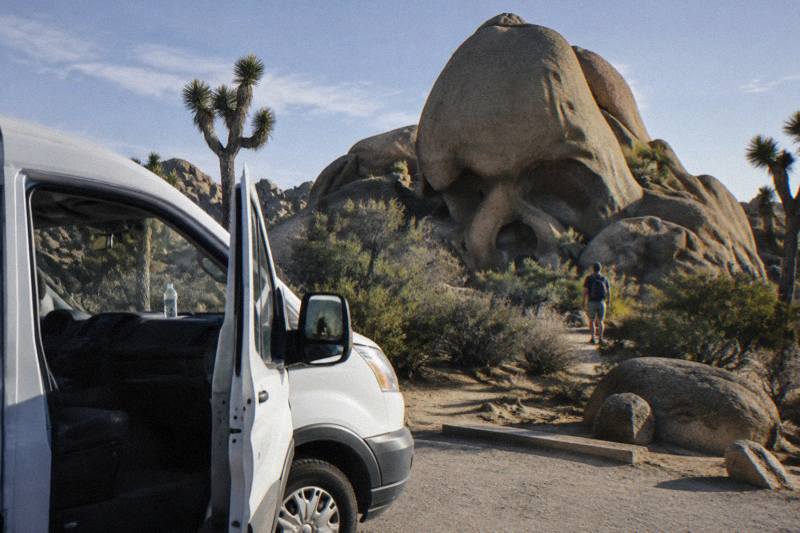
What Is So Special About The Joshua Tree?
What makes the Joshua tree and its national park special: the tree itself, the dark skies, the landscape, and the tours that show it all off.
What Is So Special About The Joshua Tree?
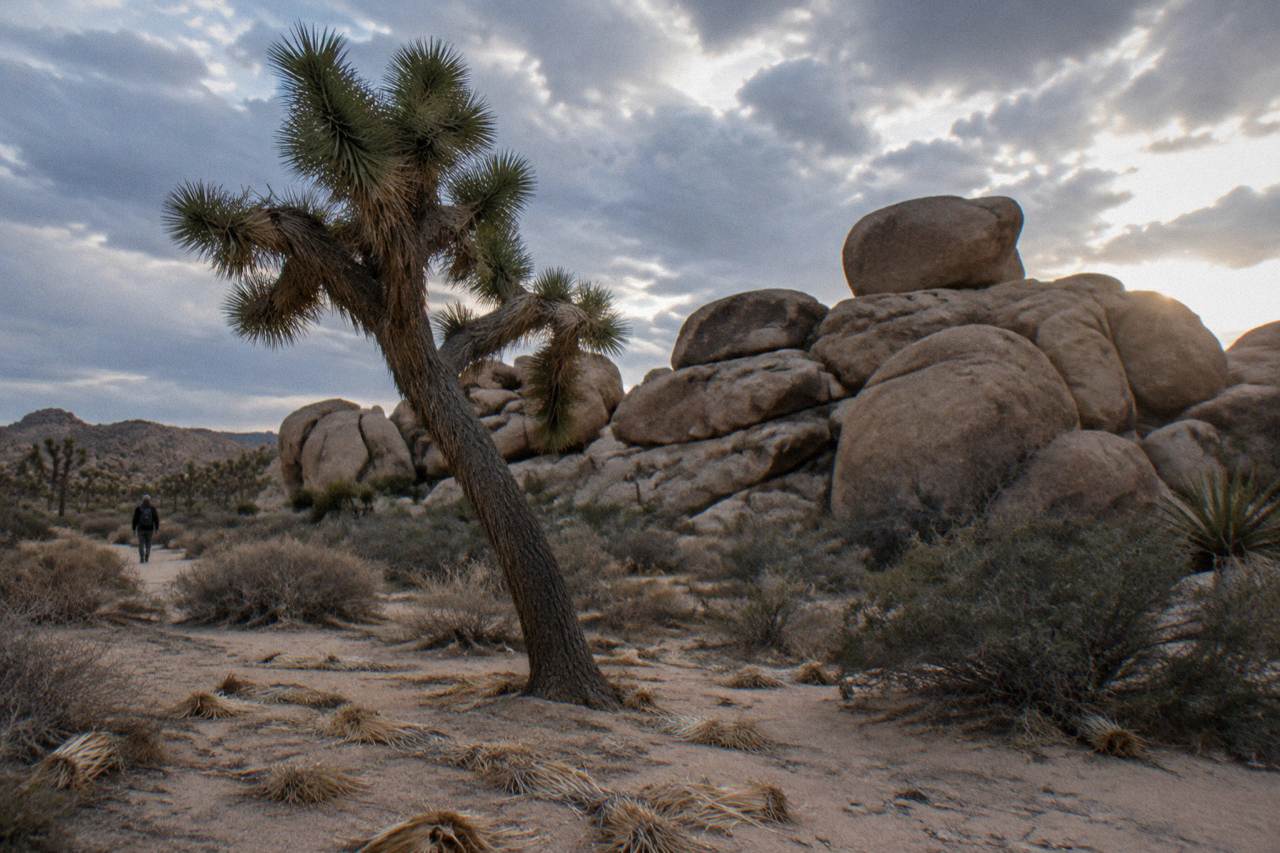
The Joshua tree is a tall, branching desert yucca that grows only in the Mojave Desert, survives on very little water, and lives for a long time, and it is odd enough that an entire national park carries its name. Around it, the park stacks granite boulder piles, two deserts that meet inside one boundary, and night skies dark enough to earn an International Dark Sky Park designation. Few plants get a park. Fewer still get one this strange.
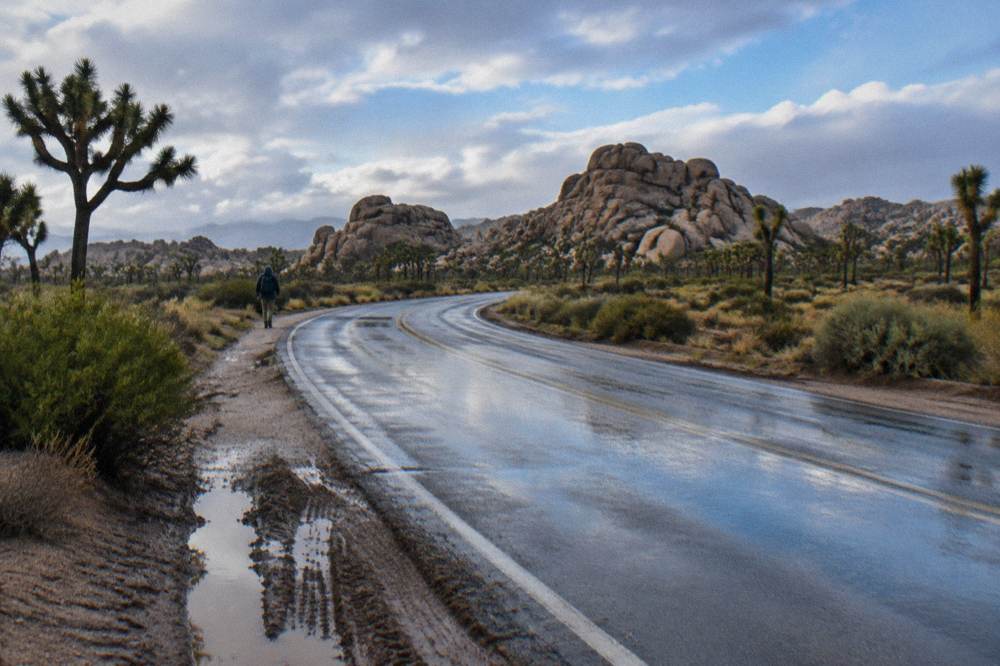
That combination is the honest answer, and it is worth unpacking piece by piece. The tree itself looks like something drawn by a child who was told to invent a plant: a shaggy trunk, arms bent at odd angles, spiky leaves clustered at the ends of every branch. It is not actually a tree in the familiar sense, it is a yucca, and it grows in a narrow band of the Mojave where the conditions suit it. The park sits where the Mojave meets the Colorado Desert, so within one drive you move between two entirely different desert worlds, Joshua trees on the high side, cholla and ocotillo on the low side.
Visitors who arrive curious about the plant usually leave talking about the whole package. The boulders, the light, the silence at dusk, and the stars after it. This site exists because that experience is easier and richer with a guide or a good audio narration, and the roster covers everything from a $15 per group audio commentary to a full day trip from Los Angeles. The sections below take the question apart: the tree, the park, the skies, and what you can actually book to see each part of it.
Why Is Joshua Tree So Famous?
The park is famous for three stacked reasons: a plant found almost nowhere else, a landscape of giant granite boulders that photographers and climbers fell in love with, and night skies dark enough that the park holds an International Dark Sky Park designation from DarkSky International. Add the park's closeness to Los Angeles and Palm Springs, and a strange desert became one of the most visited national parks in the country without a single hotel inside it.
The fame compounds. Musicians photographed album covers here, climbers built a whole culture around the granite, and stargazers found a place within driving distance of tens of millions of people where the Milky Way is still plainly visible. The park publishes its own stargazing guidance, including four designated stargazing areas and a red-light-only etiquette, which tells you how central the night sky is to the park's identity. It is not a side attraction, it is a headline.
The elevation range explains a lot of the variety. The park runs from 536 feet to 5,814 feet at Quail Mountain, which is a big swing for a desert park, and that swing is why the Joshua tree forest in the high Mojave section feels nothing like the cholla gardens of the low Colorado Desert section. One boundary, two deserts, and a plant that marks the line between them.
For a first visit, the easiest way to absorb all of this is with someone who narrates it. The Sightseeing Adventure Tour runs from $99 per person for 4 to 5 hours with a guide, water and an air-conditioned van, rated 4.9 across 178 reviews. Jack, a guest on that tour, wrote that the guide "had knowledge of the park and the terrain, flora and fauna and geographic features." If you would rather drive yourself and still get the stories, the self-guided audio options in the trio above do exactly that.
Why Are Joshua Trees So Special?
The Joshua tree is special because it is a yucca that grows like a tree, survives in one narrow slice of the Mojave Desert, depends on a single moth for pollination, and grows so slowly that a modest-looking specimen can be older than the state of California's biggest cities. It has no rings to count and no canopy to sit under, yet it anchors an entire desert ecosystem and an entire national park's identity.
Start with the basics. It is not a true tree at all, it is a giant yucca, the largest of its kind. Its leaves are stiff, dagger-tipped rosettes, and its branches only appear after it flowers, which is why every Joshua tree has its own irregular shape. No two look alike, and the branching pattern of each one is a record of which years it bloomed. That is why photographers love them: a silhouette that is instantly recognizable and never repeats.
The dependence on the yucca moth is the part most visitors never hear about. The tree's flowers are pollinated by one small moth, and the moth in turn lays its eggs in the flowers, so the two species rely on each other completely. No moth, no new trees. It is one of the cleanest examples of mutualism in the American desert, and it happens quietly, at night, on flowers most visitors walk past without noticing.
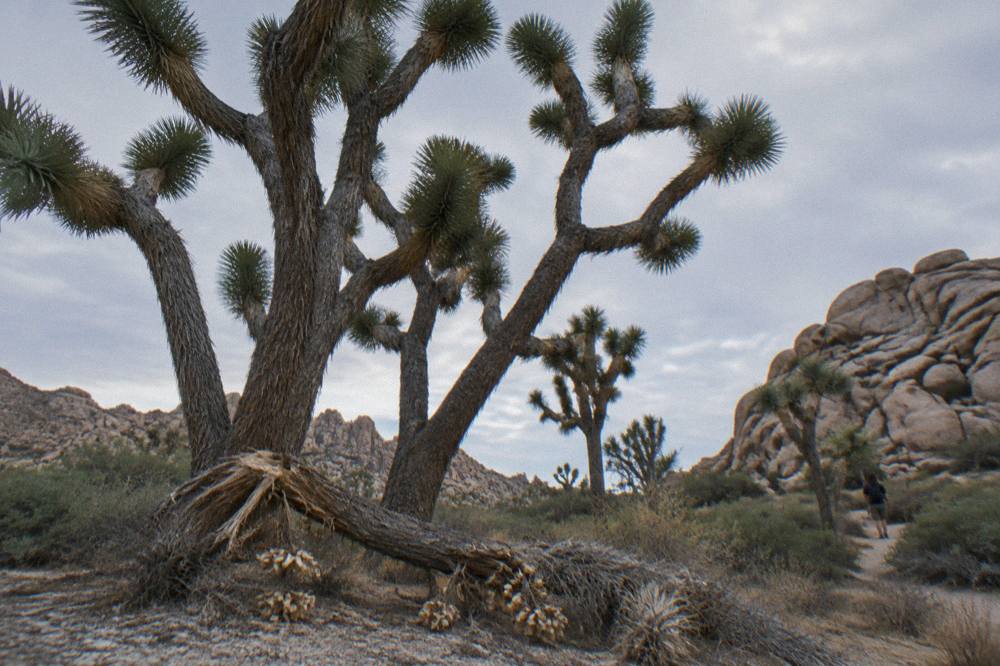
Then there is the slowness. Joshua trees grow at a pace measured in inches per year in good conditions and less in drought, which means the forest you drive through took a very long time to assemble. The park asks visitors to stay on trails and off the root systems, and the cryptobiotic soil crust between the trees is so fragile that one footstep can do damage that outlasts a human lifetime. That is not a lecture, it is the reason the forest looks the way it does.
The best way to meet the tree properly is on foot with someone who can read it. The Half-Day Guided Hike runs from $335 per person for 4 hours 30 minutes, rated 5.0 across 122 reviews, and Cynthia, a guest, described her guide as "a true expert in everything about Joshua Tree" who "knows the trails, and chose one that suited us perfectly." For a lighter commitment, the hub of Joshua Tree guided hikes and park tours lists every guided option on this site side by side.
What Is So Special About Joshua Tree Park?
The park itself is special because it contains the meeting point of two deserts, roughly 500 campsites, four designated stargazing areas, no restaurants or gas stations anywhere inside, and a 24-hour, 365-day entry with no timed reservation required. It is a park that demands a little planning and rewards it heavily, which is exactly why guided tours and audio tours thrive here.
The two-deserts point deserves its own paragraph. Drive Park Boulevard in the west and you are in high Mojave, Joshua trees and granite. Drop down Pinto Basin Road toward the south entrance and the Joshua trees thin out and vanish, replaced by creosote, cholla and ocotillo of the Colorado Desert. The transition happens inside a single park boundary, and a guide or a good narration makes sense of it as you drive. The Electric Motorbike Tour, from $169 per person for 2 hours 30 minutes out of Twentynine Palms, rated 4.8 across 19 reviews, covers that terrain with a guide narrating the plants and geology.
Practical facts shape the visit. There is no water in the park interior, no gas, no food, and cell reception is very limited, so everything you need comes in with you. The park is open around the clock, and the park's own first-time visitor guidance confirms no advance reservation is needed to enter, just a valid pass. Campgrounds mostly require reservations through recreation.gov, with three small campgrounds holding out as first-come, first-served.
| Park feature | What the park publishes |
|---|---|
| Deserts inside the boundary | Mojave and Colorado meet in one park |
| Elevation range | 536 ft to 5,814 ft at Quail Mountain |
| Entry reservation | None required, park open 24 hours daily |
| Water, gas, food inside | None, bring everything |
| Campsites | About 500, most reservable on recreation.gov |
| Stargazing areas | Quail Springs, Hidden Valley, Cap Rock, Ryan Mountain |
That table is the planning spine of any visit. The last row matters more than people expect, because the designated stargazing areas are where the park concentrates its night-sky culture, and they are ordinary parking lots by day. The Backroads Hummer H2 Tour, from $159 per person for 3 to 5 hours from Palm Springs, rated 4.7 across 595 reviews, is a comfortable way to see the daytime half of that list with general admission included, while the audio tour options cover the same ground at your own pace.
How Dark Are The Skies Over The Park?
The park holds an International Dark Sky Park designation from DarkSky International, awarded in 2017, and the park itself names four designated stargazing areas, names Cottonwood Campground as its darkest campground, and asks all night visitors to use red light only because eyes need 20 to 30 minutes to adapt to the dark. In a region of tens of millions of people, that level of darkness is genuinely rare.
The designation is the formal recognition, but the practical side is what visitors remember. The park's stargazing page names the four designated areas, Quail Springs, Hidden Valley, Cap Rock and Ryan Mountain, and asks stargazers to stay awake and within 20 feet of their vehicle (see Skull Rock To Keys View). For the darkest skies of all, the park points to Cottonwood Campground in the park's southeast corner and to the roadside pullouts along Pinto Basin Road between the Cholla Cactus Garden and Cottonwood, which carry the least traffic and the least light. The rest of the planning pages sit on Joshua Tree Park Tours.
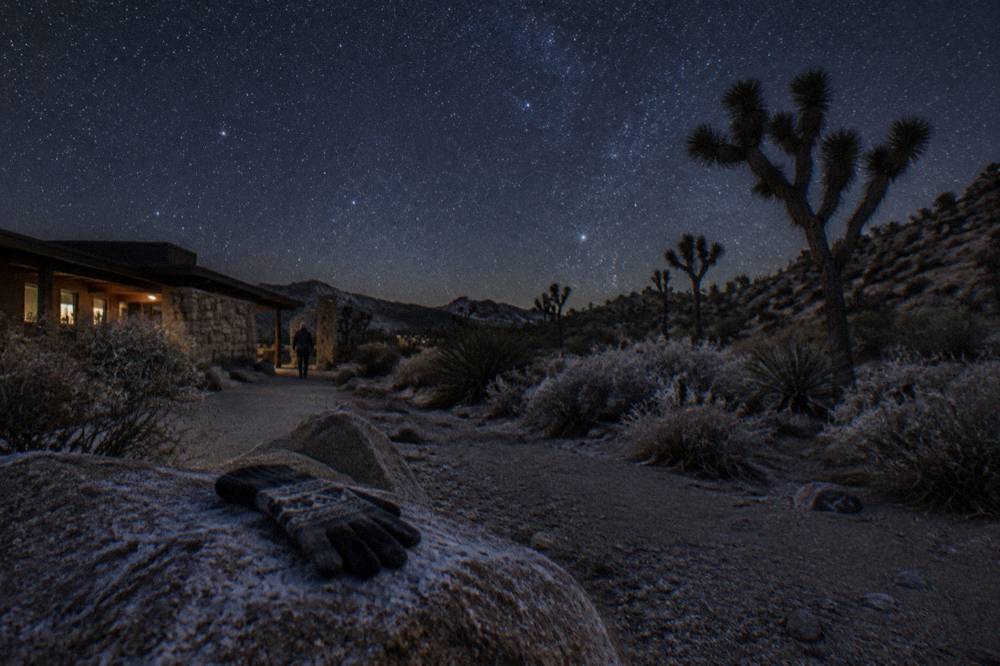
The etiquette matters as much as the location. White headlamps and phone screens reset your night vision, and the park notes it takes 20 to 30 minutes for eyes to fully adapt, so a single careless flashlight can flatten the view for everyone standing nearby. Red lights only. The park also notes that bright moonlight reduces the stars you can see, so serious stargazers plan around the moon rather than just the weather. Night photographers should know that the park does not permit "paint with light" techniques.
Two tours on this site's roster build an evening around that sky. The Professional Stargazing Night runs from $200 per person for 2 hours with an astronomer, telescopes, binoculars, blankets and hot drinks, rated 4.9 across 179 reviews, and it takes place on private land just outside the park in Yucca Valley, not inside the national park, and needs no park pass. The Starlight Hike, from $95 per person for 2 hours, does go to a trailhead inside the park. For planning around the moon and the seasons, the stargazing guide on this site goes deeper.
When Is The Best Time To See The Park?
Spring and fall are the park's best seasons, with typical highs of 70 to 85 F and lows around 50 F, while winter days sit near 60 F with freezing nights and occasional snow at elevation, and summer highs run around 100 F or more with lows near 75 F. The park also runs annual summer rules, including a campfire ban from June 15 to October 1 and the closure of the 49 Palms Oasis Trail from June 1 to September 30.
Those are typical park figures, not a forecast, and they are the single most useful planning numbers for the desert. October through May is the busy season, and the park itself flags holidays, weekends and spring break as the crowded windows. Some tours run year-round, but summer visits need care: check forecasts, carry water, avoid midday heat, and know when not to visit. Lori, a guest on the Backroads Hummer H2 Tour, noted she "went during the summer and temperatures were above 100 degrees" and still had a good tour, but she also listed the hat and sunscreen.
| Season | Typical highs | Typical lows | What it means for a visit |
|---|---|---|---|
| Spring | 70-85 F | Around 50 F | Busy, wildflowers in good rain years |
| Summer | Around 100 F or more | Near 75 F | Heat rules, campfire ban, some closures |
| Fall | 70-85 F | Around 50 F | Peak season, dark skies return |
| Winter | Around 60 F | Near or below freezing | Quieter, occasional snow at elevation |
The seasonal rules are published as standing annual restrictions, so they can be planned around rather than discovered. The campfire ban from June 15 to October 1 applies every year, and gas stoves are treated differently from wood fires under those restrictions. The 49 Palms Oasis Trail closes every year from June 1 to September 30 because of heat. For anything beyond those standing rules, the park's own conditions and alerts pages are the live source, and this site deliberately does not reprint day-to-day status.
Timing also shapes which tour makes sense. The Offroad 4x4 Park Tour, from $249 per person for 5 hours out of the Palm Desert area, rated 4.9 across 471 reviews, spends a long day out in the open, which most people prefer in the cooler half of the year. Kelly, a guest on that tour, called it ideal "for anyone unfamiliar with Joshua Tree, like us, who want to make the most of limited time inside the park."
Can You Experience The Park Without A Guide?
Yes, completely. The park needs no reservation to enter, is open 24 hours a day, and can be driven on paved roads end to end in a normal car, which is why self-guided audio tours are the most popular low-cost format on this site. What a guide adds is not access, it is interpretation, route choices, heat timing and parking decisions that most first-time visitors would otherwise guess at.
The honest version of the guided-versus-self-guided question is that the park gives away the scenery for the price of an entrance pass, and charges nothing for the view. A private vehicle pass is $30 for 7 days, and the park's fees page lists the full pass menu, including the $55 park annual pass and the America the Beautiful passes. Children under 16 need no pass on foot or bicycle, and the park publishes fee-free days each year when US citizens and residents enter free. What no pass gives you is the story, and that is the gap audio tours fill at low cost.
The Self-Driving Audio Tour costs from $16.99 per person, rated 4.5 across 806 reviews, the largest review pool on this site's roster. It runs through an app on your own phone, works offline with GPS route guidance, and plays automatic audio stories as you reach each stop. April, a guest, called it "fun and easy to do at our own pace." The Audio Tour and Local Guide costs from $15 per group, rated 4.2 across 90 reviews, with the audio tour priced from $15 per group and holds a 4.2 rating across 90 reviews. Both cost less than a single park pass for a group.
The middle ground is a guided van day. The Paved Road Van Tour, from $249 per person for 5 hours from the Palm Desert area, rated 4.9 across 302 reviews, handles the driving and the parking while a guide narrates, and Maria, a guest, praised a guide who "was excited to share her knowledge of the park's flora, fauna, and history." The Sightseeing Adventure Tour from $99 per person is the budget version of the same idea. For the full spread of formats, the hub of Joshua Tree self-guided audio tours compares every narration option, and the deeper comparison of guided tours versus driving yourself is laid out in this site's guide to guided tours versus driving yourself.
What Does A First Visit Actually Look Like?
A first visit usually means entering through the town of Joshua Tree or Twentynine Palms, driving Park Boulevard past the boulder piles and Joshua tree forest, stopping at Hidden Valley, Cap Rock or Skull Rock, and finishing at Keys View for the panorama, all doable in one day. The park's three visitor centers, in Twentynine Palms, Joshua Tree and Cottonwood, are the natural first stops for maps and current conditions.
The rhythm of the place rewards slowness. The park's roads are modest in length but thick with stops, and the temptation to race between photo spots is the main mistake first-timers make. The boulders invite scrambling, the Joshua trees invite portraits, and the pullouts fill early in the busy season from October to May, which is the quiet argument for a tour that handles parking or an audio tour that lets you start before the crowds. Visitors coming from Los Angeles can skip the driving entirely with the Small-Group Day Trip from LA, from $219 per person for 10 to 12 hours with park admission and a deli lunch included, rated 4.8 across 36 reviews.
What surprises most first-timers is how much of the park's character survives a windshield tour. The Joshua tree forest is visible from the road, Keys View needs only a short walk, and the Cholla Cactus Garden is a roadside stop. What the windshield misses is the detail: the moth-and-flower story, the soil crust, the reading of the granite. That gap is exactly what this site's tour roster is built to close, and why the audio formats, which cost less than a tank of gas, consistently get the warmest word-of-mouth from guests who wanted to understand rather than just see.
If the question that brought you here was the tree, the answer is that the tree is the invitation, and the park is the event. Come for the strange plant, stay for the boulders, and stay past sunset for the sky.
Common Questions About The Joshua Tree And Its Park
What Is So Special About The Joshua Tree?
It is a giant yucca that grows like a tree, exists only in a narrow band of the Mojave Desert, depends on one moth species for pollination, and grows slowly enough that the forest took centuries to assemble. Its odd, never-repeating shape gave an entire national park its name and identity.
Why Is Joshua Tree So Famous?
Three things stack: a plant found almost nowhere else, a landscape of climbable granite boulders, and night skies dark enough for an International Dark Sky Park designation. Its closeness to Los Angeles and Palm Springs turned a strange desert into one of the country's most visited national parks.
Can You See Joshua Trees Without A Tour?
Yes. The park needs no entry reservation, is open 24 hours a day, and its main roads are paved. A $30 private vehicle pass covers 7 days, and self-guided audio tours from $15 per group or $16.99 per person add narration without a guide.
Where Are The Darkest Skies In The Park?
The park names Cottonwood Campground as its darkest campground, and the roadside pullouts along Pinto Basin Road between the Cholla Cactus Garden and Cottonwood as the darkest, least-trafficked spots. The four designated stargazing areas are Quail Springs, Hidden Valley, Cap Rock and Ryan Mountain.
Is The Park Open At Night?
Yes, the park is open 24 hours a day, 365 days a year, and the park states visitors may drive in and out at any time. If the fee booth is closed, you may be asked to show a pass or pay on the way out. Night visitors should use red light only.
Do You Need A Reservation To Enter The Park?
No. The park publishes that no timed-entry or advance reservation is required for entrance, only a valid pass. Reservations are needed for most campgrounds and for ranger-led Keys Ranch tours, but not for general entry.