How Many Days Is Enough For Joshua Tree?
Trip-length sizing for Joshua Tree National Park: what one day covers, why two days fits hikes plus a night sky session, and what a third day adds, built from real tour durations and park facts.
How Many Days Is Enough For Joshua Tree?
One day is enough for the headline stops, two days is the sweet spot for most travelers, and three days is the right call if you want hiking, a night sky session, climbing, or camping in the mix. The park needs no reservation to enter, so trip length is really a question of what you want to do inside it, not whether you can get in.
The honest answer depends on appetite. Joshua Tree National Park is not enormous by desert standards, but it rewards slow visits. The scenic core along Park Boulevard, from the West Entrance through Hidden Valley to Skull Rock and Keys View, can be driven in a morning. What it cannot do in a morning is let you walk a trail, watch the light change on the boulders, and still be fresh for a night of stargazing. If you would rather trade the morning drive for a full day on foot, this guide to the park's most demanding hikes breaks down which routes ask the most of you.
The sizing logic this article uses is simple: match the days to the activities. A day of driving and viewpoints is one day. Add a real hike and the trip wants a second day. Add climbing, camping, or a dedicated astronomy session and a third day starts paying for itself. Every duration and price below comes from the live tour listings and the park's own published facts, so you can build a budget alongside the itinerary.
For a one-day visit, a guided option compresses the planning. The Sightseeing Adventure Tour runs 4 to 5 hours from $99 per person, rated 4.9 across 178 reviews, and handles transport, water, and routing in one booking. Jack, a guest on that tour, described a guide who "had knowledge of the park and the terrain, flora and fauna and geographic features" and was "patient and friendly with all guests."
If you are weighing this against other trip-planning questions, the season matters as much as the day count. Our guide to the best time to visit Joshua Tree breaks down crowds and temperatures month by month, and it pairs well with a day-count decision made in the same sitting.
Is 1 Day Enough For Joshua Tree?
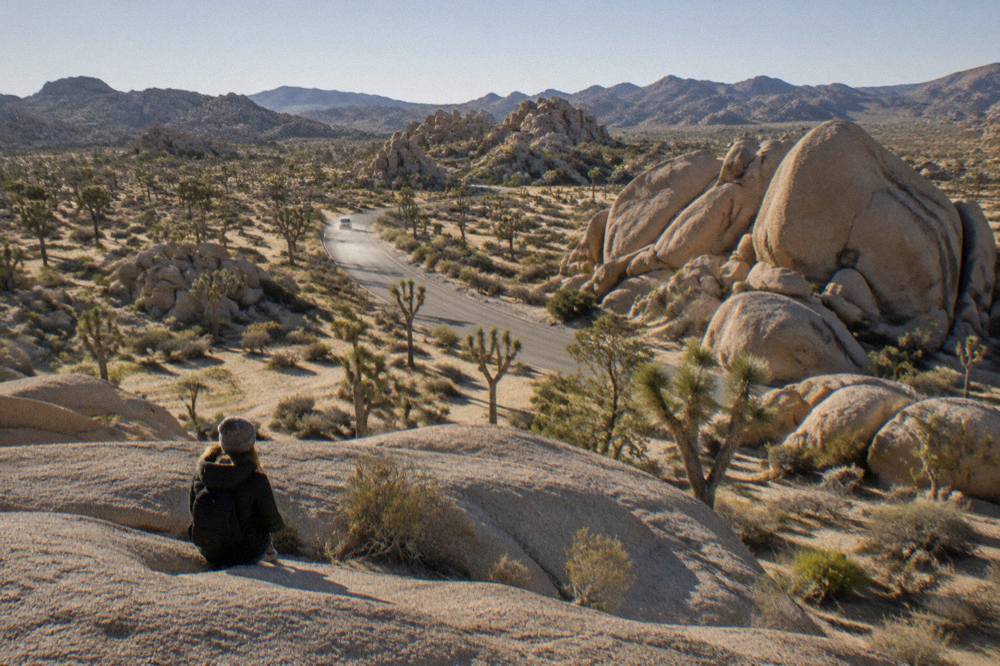
Yes, one day is enough for Joshua Tree if your goal is the scenic drive, the famous stops, and a short walk or two. It is not enough for a long hike, a climbing session, or stargazing, because each of those eats half a day on its own. Enter early, pick one entrance, and accept that you will leave things unseen.
A single day works best as a loop. Most one-day visitors enter through the West Entrance near the town of Joshua Tree, drive Park Boulevard with stops at Hidden Valley, Cap Rock, Skull Rock, and Keys View, and exit either the same way or down Pinto Basin Road toward the Cholla Cactus Garden and the south entrance. The park publishes no drive times for this, so check a maps app before you commit to a loop versus an out-and-back. Since the loop keeps you in the car for much of the day, our guide to the most beautiful hike in Joshua Tree helps you pick the one trail worth parking for.
What one day costs depends on how you do it. Driving yourself means a $30 private vehicle pass, valid 7 days, plus your own food and water, since there are no restaurants, gas stations, or water in the park interior. Going guided changes the math: the Backroads Hummer H2 Tour runs 3 to 5 hours from $159 per person, rated 4.7 across 595 reviews, and the Open-Air Hummer Adventure runs the same window from $179 per person, rated 4.8 across 471 reviews. Both meet in the Palm Springs area and both include park admission in the price, which is worth noting because many tours do not.
The budget end of one-day guiding is the Self-Driving Audio Tour, from $16.99 per person, rated 4.5 across 806 reviews. It is an app, not a guide: you bring your own car and phone, and the GPS-triggered stories play as you drive. April, a guest, called it "fun & easy to do at our own pace." Entrance fees are separate on that one.
One honest limit of the single day: you will be driving out in the dark or skipping the night sky entirely. The park is an International Dark Sky Park, designated in 2017, and the stars are a real reason people stay. If the night sky is a priority, size up to two days.
Is 2 Days In Joshua Tree Enough?
Two days is enough for most travelers, and it is the length we would recommend by default. Day one covers the scenic drive and viewpoints, day two adds a real hike and, critically, a night sky session, since the park's designated stargazing areas sit a short drive from the main road and cost nothing beyond your entrance pass.
The two-day structure works because the park's two big experiences, daytime rock scenery and night sky, do not stack comfortably in one calendar day. A 4.5-hour guided hike finishing in the afternoon leaves you tired but perfectly timed for an evening under the stars. The Half-Day Guided Hike runs 4 hours 30 minutes from $335 per person, rated 5.0 across 122 reviews, and Cynthia, a guest, said her guide "chose a trail that suited us perfectly" and called it "like taking a masters class in one of the most beautiful places in the US." Once you've seen how much a great trail choice matters, our guide to the most beautiful hike in Joshua Tree helps you pick a route that fits your pace, the season, and the scenery you came for.
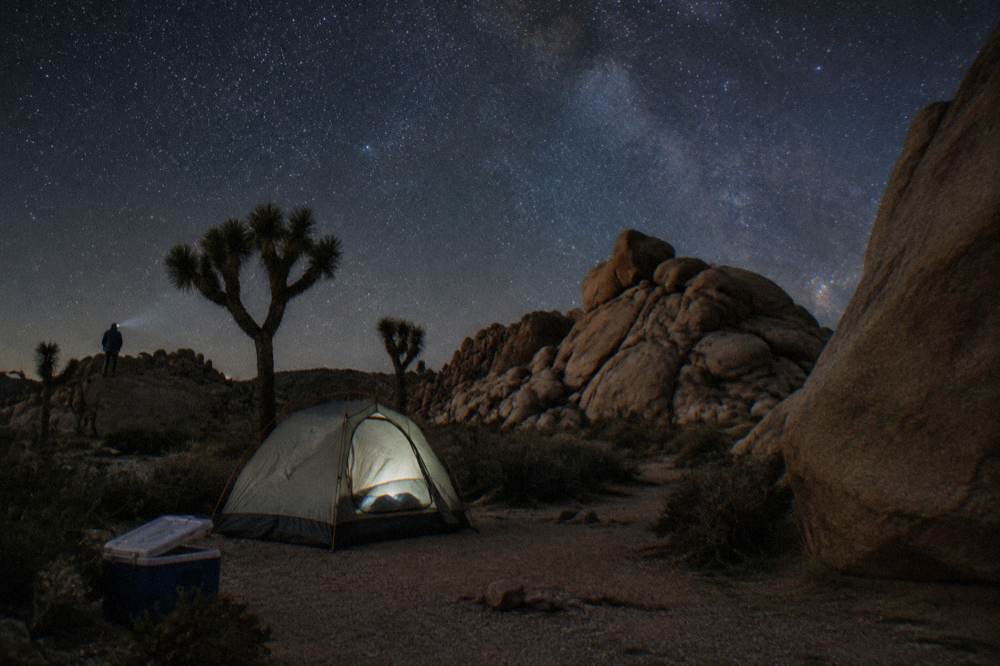
For the night half, you have three routes. You can stargaze on your own at one of the four designated stargazing parking areas, Quail Springs, Hidden Valley, Cap Rock, or Ryan Mountain, where the park asks you to stay within 20 feet of your vehicle. You can book the Starlight Hike, from $95 per person for 2 hours inside the park. Or you can book the Professional Stargazing Night, from $200 per person, rated 4.9 across 179 reviews, which runs on private land just outside the park in Yucca Valley, with telescopes, an astronomer, blankets, and hot drinks; note plainly that it is not inside the national park and needs no park pass.
The park's own stargazing guidance is worth reading before any of these: red light only, eyes need 20 to 30 minutes to adapt, and bright moonlight cuts the number of stars you will see. The park's stargazing page covers the designated areas and the darkest spots, including Cottonwood Campground and the pullouts along Pinto Basin Road.
Two days also gives you slack for the things that go wrong: a full parking lot at Hidden Valley, a late start from Palm Springs, or a afternoon spent longer than planned at one boulder pile. The park itself flags holidays, weekends from October through May, and spring break as the crowded windows, so the buffer is not optional in those periods.
What Can You Fit Into Three Days In Joshua Tree?
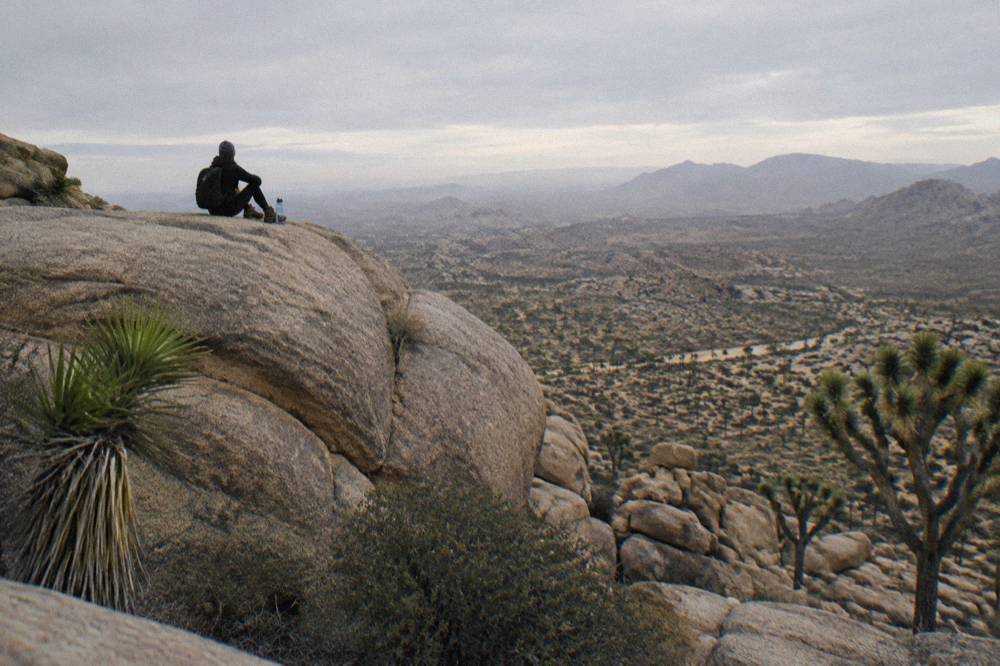
Three days fits the full menu: the scenic drive, a long hike, a night sky session, and a specialist activity like climbing or an offroad tour. It is the length for travelers who want Joshua Tree to be the trip rather than a stop on it, and it is the point at which camping starts to make sense over driving in each day.
Day three is where the roster gets interesting. The Offroad 4x4 Park Tour runs 5 hours from $249 per person, rated 4.9 across 471 reviews, and reaches backcountry areas a regular car cannot. Kelly, a guest, recommended it to "anyone unfamiliar with Joshua Tree, like us, who want to make the most of limited time inside the park." Lori, who took the Backroads Hummer H2 Tour, noted the park "was about an hour drive from Palm Springs," a useful reminder that staying outside the park costs drive time every morning.
Climbing is the other day-three activity. Joshua Tree is a genuine climbing destination, and the park permits guided climbing with operators that hold the required park authorization. The Beginner Group Climbing session runs 4 hours from $240 per person, rated 5.0 across 71 reviews, with all safety and climbing equipment provided. Calista, a guest, said her instructor "was incredible in explaining everything" and that her family "always felt secure and safe." If your climbing day ends near sunset and you're tempted to stay for the stars, our guide to Joshua Tree after dark covers what to expect once the sun goes down.
The Full-Day Guided Hike, 7 hours from $409 per person, rated 5.0 across 26 reviews, is the deepest single-day option on the roster. Bailey, a guest, said the guide "provided us with an exceptional tour of an area of the park we would not have experienced without her expertise." Seven hours is most of a daylight window, so it belongs in a three-day plan, not a two-day one squeezed around it.
How Do Tour Durations Shape Your Trip Length?
Tour durations are the most reliable building blocks for sizing a trip, because they are fixed while your own driving and hiking flex. The roster runs from a 2-hour stargazing session to a 12-hour Las Vegas transfer, and stacking two or three of them against your available daylight tells you quickly whether you booked enough days.
The short sessions, 2 to 3 hours, slot into mornings or evenings: the Professional Stargazing Night, the Starlight Hike, the Electric Motorbike Tour (2 hours 30 minutes, from $169 per person, rated 4.8 across 19 reviews), and the Local Expert Park Tour (3 hours, from $159 per person, with only 2 reviews so far). The mid-length block, 4 to 5 hours, covers most sightseeing and climbing tours and consumes half a day including meeting time. The long block, 7 hours and up, is a full day by itself.
| Tour | Duration | From Price | Rating And Reviews |
|---|---|---|---|
| Sightseeing Adventure Tour | 4 to 5 hours | $99 per person | 4.9 across 178 reviews |
| Backroads Hummer H2 Tour | 3 to 5 hours | $159 per person | 4.7 across 595 reviews |
| Offroad 4x4 Park Tour | 5 hours | $249 per person | 4.9 across 471 reviews |
| Half-Day Guided Hike | 4 hours 30 minutes | $335 per person | 5.0 across 122 reviews |
| Full-Day Guided Hike | 7 hours | $409 per person | 5.0 across 26 reviews |
| Professional Stargazing Night | 2 hours | $200 per person | 4.9 across 179 reviews |
| Beginner Group Climbing | 4 hours | $240 per person | 5.0 across 71 reviews |
| Self-Driving Audio Tour | 3 to 4 hours | $16.99 per person | 4.5 across 806 reviews |
A practical stacking rule: one mid-length tour per day, plus one short session at the opposite end. A 4-hour morning climb plus a 2-hour evening stargaze is a full, well-shaped day. Two mid-length tours in one day is possible but leaves no room for the spontaneous boulder scrambling that people remember.
One more roster fact worth knowing: guided-tour guests pay the park's $15 per person entrance fee or use their own valid pass, unless the specific tour listing includes admission, as the Hummer tours and the Small-Group Day Trip from LA do. The park's fees page has the full pass list, including the $55 Joshua Tree annual pass and the America the Beautiful options.
Should You Camp Overnight To Add A Night Sky Session?
Camping is the cheapest way to turn a two-day trip into a two-day-plus-two-night trip, and the park has roughly 500 sites across nine campgrounds, most reservable on recreation.gov up to six months ahead. Three campgrounds, Hidden Valley, White Tank, and Belle, stay first-come, first-served at $25 per night, paid within an hour of setting up.
The reservation campgrounds run $30 to $35 per night: Black Rock (99 sites) and Cottonwood (62 sites) at $35, Jumbo Rocks (124 sites) and Ryan (31 sites) at $30, with group sites from $55. The park's campgrounds page carries the current site-by-site detail and links to booking. The busy season runs October through May, which is exactly the stargazing season, so reserve rather than hope.
Two camping rules shape the plan. Campfires are allowed only in designated park fire rings, and the park bans campfires entirely from June 15 to October 1 each year, gas stoves excepted. And the darkest campground in the park, per the park's own stargazing guidance, is Cottonwood, on the south side, with the roadside pullouts along Pinto Basin Road between the Cholla Cactus Garden and Cottonwood offering the least traffic and darkest skies.
Camping also solves the night-sky logistics problem. Driving back to Palm Springs after a 10 pm stargazing session is a long end to a long day. Sleeping at Jumbo Rocks or White Tank puts you inside the park for sunrise, which in clear weather is the second-best light show of the day.
What If You Only Have Half A Day In Joshua Tree?
Half a day works for one anchored experience plus the drive between entrances: a 3-hour guided van tour, a 2-hour stargazing session, or the audio tour app at your own pace. It does not work for hiking, climbing, or both scenic corridors, and pretending otherwise is how people end up rushed and disappointed.
The roster's short formats are built for exactly this. The Local Expert Park Tour covers 3 hours from $159 per person out of Yucca Valley, though with only 2 reviews so far it is too early to call it anything. Janice, one of those guests, said the operator "covers a lot of local history, culture geology foliage." The E-Bike Rental, from $100 per person for 4 hours out of Twentynine Palms, is a different flavor of half day entirely, and it carries no reviews yet, so judge it on the listing alone.
The honest half-day pick is the Paved Road Van Tour: 5 hours from $249 per person out of the Palm Desert area, rated 4.9 across 302 reviews, with live commentary and snacks. Maria, a guest, praised a guide "full of personal knowledge of the Palm Desert area and of our destination" with "a sense of humor." Five hours is the ceiling of half a day, but it is a well-spent ceiling.
Half-day visitors should skip the temptation to see everything. Pick one corridor, Park Boulevard or Pinto Basin, and do it properly. Our one day in Joshua Tree itinerary shows what a compressed route looks like when the clock is tight.
How Do Seasons Change How Many Days You Need?
Seasons change trip length less through daylight and more through what closes and what hurts. Summer closes the 49 Palms Oasis Trail from June 1 to September 30, bans campfires from June 15 to October 1, trims some campground operations, and pushes every sensible activity to early morning or evening, which effectively stretches a two-day plan toward three.
Summer highs run around 100 F or more, with lows near 75 F, per the park's published climate figures. Spring and fall sit at 70 to 85 F daytime highs with lows around 50 F, which is why October through May is the crowded window and why the campgrounds fill then. Winter days sit around 60 F with near-freezing nights and occasional snow at higher elevations, and winter is arguably the season where an extra day costs the least in discomfort.
The seasonal play for day count: in spring and fall, two days covers what three covers in summer, because you can hike at noon in March. In summer, plan three days so each day has one cool-hours activity, or plan two days and accept that midday is for the pool in Palm Springs. The park's heat guidance is direct: check forecasts, carry ample water, and avoid midday activity in summer. The park's first-time-visitor page is the right pre-trip read for this.
Season also shifts the night sky math. The Milky Way's galactic center is at its best on moonless summer nights, per the park's stargazing page, while winter brings darker, clearer, colder skies and a different set of constellations. Either way, the moon matters more than the month: a bright moon washes out the stars no matter how many days you stay. Our Joshua Tree stargazing guide goes deeper on timing.
Do Day Trips From Los Angeles Count As Enough Days?
A day trip from Los Angeles can deliver a real Joshua Tree experience, but it is a one-day visit with a long commute attached: the Small-Group Day Trip from LA runs 10 to 12 hours from $219 per person, rated 4.8 across 36 reviews, and includes park admission, lunch, and a guide. It works as a taste, not as the full park.
Ten to twelve hours is the honest cost of LA-based visits, and the roster prices it accordingly. The Sunset Stargazing Day Trip from LA runs the same 10 to 12 hour window from $299 per person and includes the park entrance fee, though it has no review count yet, so judge it on the listing. The Las Vegas to LA via Joshua Tree transfer, 12 hours from $150 per person, turns the drive between the two cities into the tour itself, with the entrance fee and unlimited snacks and drinks included.
For comparison, a self-driven day from LA costs a $30 vehicle pass plus fuel plus hours behind the wheel both ways. The guided version buys back the driving and the route decisions. OscarTrotter, a guest on the small-group trip, said the guide "kept things smooth, so you actually had time to wander Joshua Tree National Park and not just snap a photo from the bus." And if the park's dark skies tempt you to linger past sunset, our guide to staying safe in Joshua Tree at night explains the vehicle rule, red-light etiquette, and what to expect with no cell service.
The verdict on day trips: they are a legitimate one-day answer for visitors anchored in Los Angeles, and a poor substitute for the two-day plan if the night sky or a long hike is the reason you came. Our deeper comparison of guided tours of the park versus driving yourself works through the same trade-off for every starting point.
What Is The Best Day Count By Interest?
Match the days to the interest, not the other way around. Drivers and photographers need one day, hikers and stargazers need two, climbers, campers, and offroad explorers want three, and families with young kids often do best with two short days rather than one long one. The table below is the whole article in nine rows.
| Your Main Interest | Days Needed | What Fits | Roster Anchor |
|---|---|---|---|
| Scenic drive and photo stops | 1 day | Park Boulevard loop, Keys View, Skull Rock | Self-Driving Audio Tour, from $16.99 per person |
| Guided overview without driving | 1 day | Half-day tour plus free time | Sightseeing Adventure Tour, from $99 per person |
| Hiking one real trail | 2 days | Day one drive, day two hike | Half-Day Guided Hike, from $335 per person |
| Stargazing | 2 days | Any day plus one clear night | Starlight Hike, from $95 per person |
| Hiking plus stargazing | 2 days | The default recommendation | Half-Day Hike plus Professional Stargazing Night |
| Rock climbing or rappelling | 3 days | Two tour days plus a recovery day | Beginner Group Climbing, from $240 per person |
| Camping and the full night sky | 3 days | Two nights at a reservable site | Cottonwood or Jumbo Rocks, $30 to $35 per night |
| Backcountry and offroad | 3 days | One 4x4 day plus hike and stargaze | Offroad 4x4 Park Tour, from $249 per person |
| Deep immersion | 3 days | One 7-hour guided hike plus nights | Full-Day Guided Hike, from $409 per person |
Two footnotes to the table. First, the stargazing sessions on private land in Yucca Valley, the Professional Stargazing Night and the Stargazing Experience, sit outside the park and need no pass, which makes them easy add-ons to any day count. Second, the climbing tours exclude the park entrance fee, so budget the $15 per person or bring a pass on top of the tour price.
For readers sizing a first visit around the most common interests, the Joshua Tree guided hikes and park tours hub collects the full roster with durations and prices side by side. This site, Joshua Tree Park Tours, exists to make exactly this arithmetic easy.
Common Questions About Trip Length In Joshua Tree
How Many Days Is Enough For Joshua Tree?
One day covers the scenic drive and the headline stops. Two days fit a real hike plus a night sky session and are the best fit for most travelers. Three days add climbing, camping, or an offroad tour without rushing anything.
Is 1 Day Enough For Joshua Tree?
Yes, for the Park Boulevard corridor, Keys View, Skull Rock, and short walks. No, for long hikes, climbing, or stargazing, each of which needs half a day on its own. Enter early and pick one loop.
Is 2 Days In Joshua Tree Enough?
For most visitors, yes. Day one for the drive and viewpoints, day two for a guided hike and an evening at a designated stargazing area or a booked stargazing session. Two days also absorb crowds and late starts.
Do I Need A Reservation To Enter Joshua Tree National Park?
No. The park uses no timed-entry or advance reservation for entry; you buy or show an entrance pass. Campgrounds and the ranger-led Keys Ranch tours are the exceptions and do require reservations.
Can I Camp To Extend My Trip?
Yes. The park has roughly 500 sites across nine campgrounds, most reservable on recreation.gov up to six months ahead at $30 to $35 per night, with Hidden Valley, White Tank, and Belle first-come at $25. Campfires are banned June 15 to October 1 each year.
How Many Days Do I Need If I Am Coming From Los Angeles?
Treat it as a one-day visit with a commute: the guided small-group day trips run 10 to 12 hours. If the night sky or a long hike matters, stay overnight near the park and give it two days instead.