Best Time To Visit Joshua Tree: Month By Month For Heat, Crowds And Sky
The season you pick decides almost everything about a Joshua Tree trip: whether you can hike at noon, whether you will find parking, and how many stars you will see after dark. Here is how the months compare.
Short answer
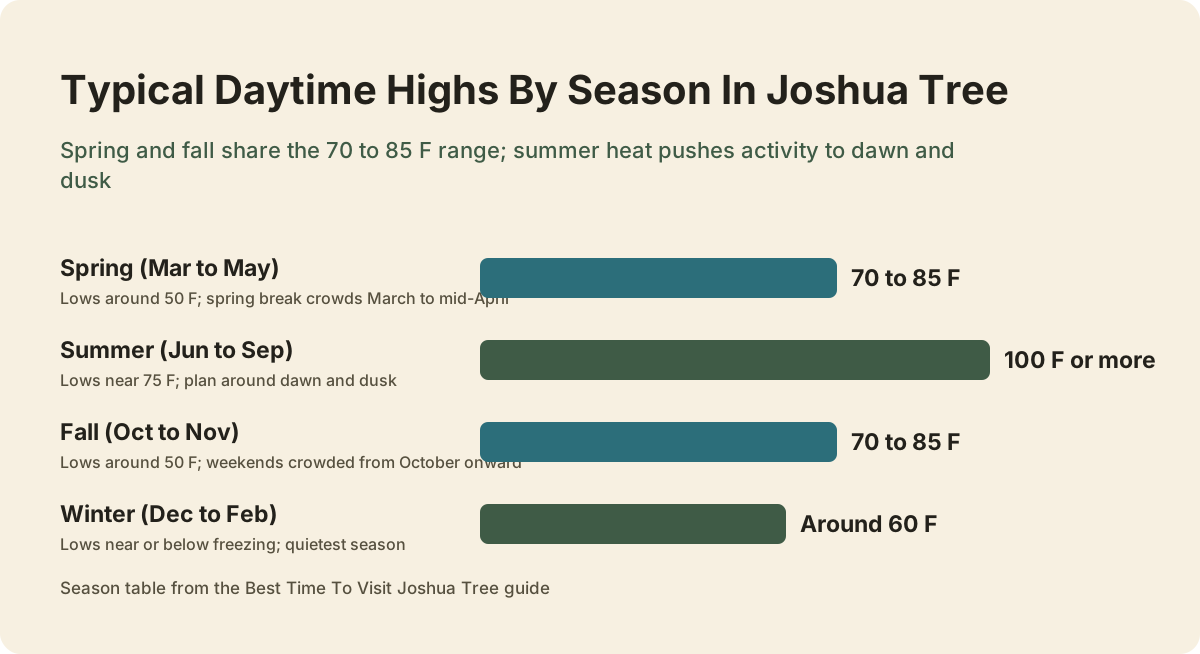
Spring and fall are the best times to visit Joshua Tree National Park, with typical daytime highs of 70 to 85 F and cool nights near 50 F. Winter days run around 60 F with near-freezing nights, and summer regularly tops 100 F. Crowds peak on holidays, weekends from October to May, and spring break in March to mid-April.
Best Time To Visit Joshua Tree: Month By Month For Heat, Crowds And Sky
The season decides the trip. In Joshua Tree National Park, that is not a figure of speech: the same trail that invites a long midday walk in April can be genuinely unsafe at noon in July, and the same parking lot that fills by 9 am on an October Saturday sits half empty on a weekday in February. Heat, crowds and sky quality move together through the year, and the month you book shapes which tours are comfortable, which campgrounds are open, and how much of the Milky Way you will actually see.
This guide works through the year month by month, using the park's own published seasonal figures rather than forecasts. It also connects each season to the guided options on this site, from the Paved Road Van Tour, which keeps you in an air-conditioned vehicle on hot afternoons, to the Professional Stargazing Night, which depends on dark, moonless skies. The short version: spring and fall win on comfort, winter wins on solitude and stars, and summer is a morning-and-evening park only.
When Is The Best Time To Visit Joshua Tree?
The best time to visit Joshua Tree National Park is spring or fall, when typical daytime highs run 70 to 85 F and nights settle near 50 F. October through November and March through mid-May combine comfortable hiking temperatures with long evenings. Winter days sit around 60 F with near-freezing nights, while summer highs reach 100 F or more, which pushes most activity to early morning and after sunset.
The park spans elevations from 536 ft to 5,814 ft at Quail Mountain, so conditions vary within the park on any given day, but the seasonal pattern holds across it. Spring and fall are the seasons when everything the park offers is available: hiking at any hour, comfortable rock climbing, evening stargazing without heavy layers, and campground access at full capacity. The trade-off is crowds. The park's own first-time visitor guidance flags holidays, weekends from October through May, and spring break from March to mid-April as the busy periods, and the reservation campgrounds fill accordingly.
Winter is the quiet counterproposal. Days around 60 F are still pleasant for hiking, nights drop to near or below freezing, and occasional snow dusts the higher elevations, which many photographers consider a bonus rather than a problem. Summer is the season to treat with respect: the park's heat guidance tells visitors to check forecasts, carry ample water and avoid midday activity, and the park closes certain areas on an annual summer schedule, including the 49 Palms Oasis Trail from June 1 to September 30.
For readers planning around a guided experience, the season also changes what is worth booking. A five-hour vehicle tour is a very different proposition at 75 F than at 100 F or more, and a stargazing session depends on moon phase and season more than on anything the operator controls.
How Does Each Season Feel In The Park?
Spring and fall feel like the park's intended setting: highs of 70 to 85 F, lows around 50 F, and daylight that cooperates with both a morning hike and an evening under the stars. Winter feels like a different park entirely, with days around 60 F, freezing nights and occasional snow on the high ground. Summer feels like two short visits in one day, before the heat and after it.
Spring brings the added possibility of wildflowers, though bloom strength varies year to year and no page can promise it in advance. It also brings spring break crowds from March to mid-April, which is the single busiest stretch outside the holidays. Fall is arguably the sweeter spot: temperatures fall back into the 70s and 80s, the campgrounds reopen at full operation after the summer reductions, and the evening sky is already dark early enough for stargazing before a late bedtime.
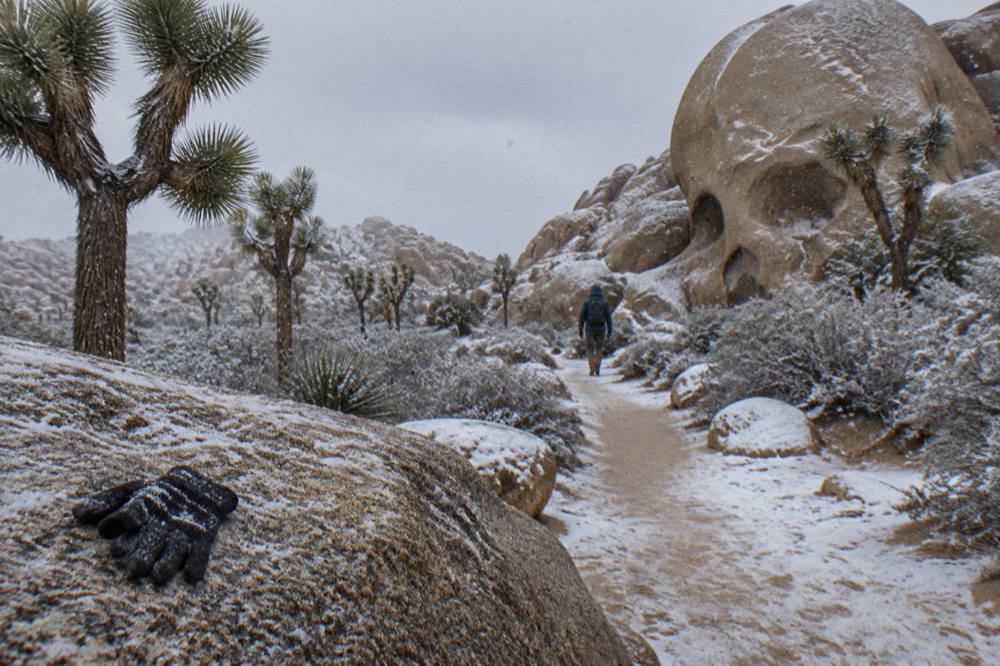
Winter rewards visitors who pack for it. Days around 60 F are ideal for climbing and hiking, the crowds thin dramatically, and the night sky, helped by long darkness hours, is at its most generous. The park's stargazing guidance notes that visitors should layer up and bring a chair, and that advice is aimed squarely at winter nights. Snow at higher elevations appears occasionally and rarely lasts, but it can make granite slabs slippery, so footwear matters.
Summer is a timing exercise. Highs of 100 F or more with lows near 75 F mean the comfortable windows are dawn to roughly 10 am and sunset onward. The park publishes annual summer restrictions that are worth knowing before you plan: a campfire ban runs June 15 to October 1, some campgrounds reduce operations or close entirely from June 1 through late August, and certain backcountry zones close June 1 to September 1. Air quality can also be poor in summer, per the park's conditions guidance.
| Season | Typical highs | Typical lows | What it means for a visit |
|---|---|---|---|
| Spring (Mar to May) | 70 to 85 F | Around 50 F | Best all-round comfort; busiest stretch is spring break, March to mid-April |
| Summer (Jun to Sep) | Around 100 F or more | Near 75 F | Plan around dawn and dusk; annual trail and campground closures apply |
| Fall (Oct to Nov) | 70 to 85 F | Around 50 F | Comfort returns; weekends from October onward are crowded |
| Winter (Dec to Feb) | Around 60 F | Near or below freezing | Quietest; cold nights suit stargazing; occasional snow at elevation |
If you want a guided day in the shoulder seasons, the timing question largely answers itself: almost any format works. The Sightseeing Adventure Tour, from $99 per person for 4 to 5 hours with a guide, water and air-conditioned transport, is comfortable across spring and fall. In the hotter months, the same logic points toward vehicle-based formats, which is where the season-by-format comparison later in this guide comes in.
Which Month Should You Pick? The Month By Month Ribbon
March through April and October through November are the strongest months overall, pairing 70 to 85 F highs with full campground access. May and September are shoulder months that heat up fast. December through February trade warmth for solitude and long, dark, star-filled nights. June through August demand early starts, evening activity and respect for a park that closes parts of itself each summer.
The ribbon below uses the park's published seasonal figures. These are typical values, not forecasts, and any given day can run hotter or colder, so the park's own conditions page is the right place to check before you travel.
| Month | Typical feel | Crowds | Sky note |
|---|---|---|---|
| January | Days around 60 F, freezing nights | Quiet on weekdays | Long darkness, strong stargazing if you dress for it |
| February | Similar, occasional high-elevation snow | Quiet; holiday weekends excepted | Dark skies, cold nights |
| March | Warming toward 70 to 85 F | Spring break begins, March to mid-April | Milky Way core returns on moonless nights |
| April | Classic spring, 70 to 85 F | Peak season, busiest month for many | Comfortable evening stargazing |
| May | Highs climbing, late-month heat | Busy through the month | Warm nights, shorter darkness |
| June | Around 100 F or more | Thinning | Summer restrictions begin |
| July | Peak heat, lows near 75 F | Quiet in the interior | Milky Way core at its best on moonless nights |
| August | Still 100 F or more | Quiet; campground reductions | Monsoon storms possible, flash-flood risk in washes |
| September | Highs easing late in the month | Picking up by late September | Warm, dark evenings return |
| October | Back to 70 to 85 F | Weekends busy, October to May season begins | Prime stargazing month |
| November | Mild days, cool nights around 50 F | Busy early, easing by late month | Long nights, cold after sunset |
| December | Around 60 F, freezing nights | Holiday spikes, otherwise quiet | Longest nights of the year |
The month ribbon is also a booking calendar in disguise. Guided tours in March, April, October and November fill first, because those are the months when a 4 to 5 hour outing is comfortable for everyone. If your dates are fixed inside those windows, booking ahead is the difference between your first-choice format and your third.
The Paved Road Van Tour, from $249 per person for 5 hours with a professional guide, live commentary, water and snacks, is a format that works in every month on the ribbon, and it is the one this site features for visitors who want the park interpreted without depending on the weather cooperating for a long walk. Entrance to the park is separate, $15 per person at the booth or covered by a valid pass, as the park publishes on its fees page. Check availability
How Hot Does Joshua Tree Actually Get In Summer?
Summer highs in Joshua Tree National Park typically reach around 100 F or more, with nighttime lows near 75 F, according to the park's published seasonal figures. The park's own heat guidance is direct: check the forecast, carry ample water, avoid midday activity and know the signs of heat illness. Summer visits are best structured as an early morning outing plus an evening under the stars.
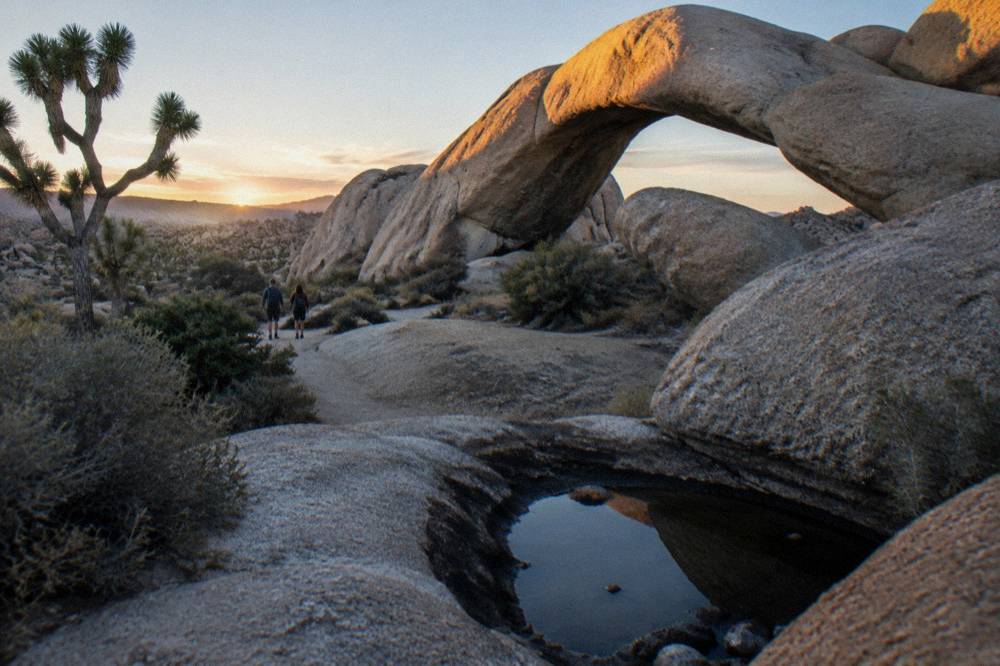
The heat is not just a comfort issue, it reshapes the park's own operations. The park runs an annual summer schedule that includes the 49 Palms Oasis Trail closure from June 1 to September 30, a campfire ban from June 15 to October 1, reduced operations or full closures at some campgrounds from June 1 through late August, and closure of several backcountry zones from June 1 to September 1. None of this is a surprise to the park; it is the published rhythm of the season, and the park's summer restrictions page is the authoritative source.
For visitors who are in the area in summer anyway, often en route between Los Angeles and the Colorado River or Las Vegas, the question is what is actually pleasant to do. Vehicle-based touring is the honest answer. The Backroads Hummer H2 Tour, from $159 per person for 3 to 5 hours with an expert guide, air conditioning, snacks, water and general admission included, is built for exactly this: park interpretation from a cool seat, with short optional walks at the stops. One guest, Lori, reported temperatures above 100 degrees on her summer trip and still called it a great tour, while advising a hat and sunscreen for the walking portions.
Evening is the other summer window. The park is open 24 hours a day, year-round, and the fee booth is sometimes closed, with visitors welcome to drive in and out at any time and pay or show a pass on the way out. That makes a sunset arrival and a moonless-night stargazing session a realistic summer itinerary, and the park's designated stargazing areas at Quail Springs, Hidden Valley, Cap Rock and Ryan Mountain are the sanctioned spots for it.
Water planning matters more than most first-time visitors expect. There is no water in the park interior, no gas stations, no restaurants and no grocery stores inside the boundaries, and cell reception is very limited. Whatever a summer visit looks like, it carries everything it needs from the start.
What Are The Crowds Like Month To Month?
The park's own guidance names the crowded periods plainly: holidays, weekends from October through May, and spring break from March to mid-April. Outside those windows, weekday visits in the same months are dramatically quieter. Summer weekdays are the emptiest of all, though the heat is the trade. The first-come, first-served campgrounds at $25 a night fill first in the busy season.
Crowding in Joshua Tree is concentrated rather than constant. It clusters at entrance stations in the late morning, at the marquee roadside stops like Skull Rock and Cap Rock in the middle of the day, and at the first-come, first-served campgrounds, Hidden Valley, White Tank and Belle, which the park says fill early in the busy season of October through May. The reservation campgrounds, Black Rock, Cottonwood, Indian Cove, Jumbo Rocks and Ryan, book on recreation.gov from same-day up to six months ahead, and holiday weekends in the busy season go early.
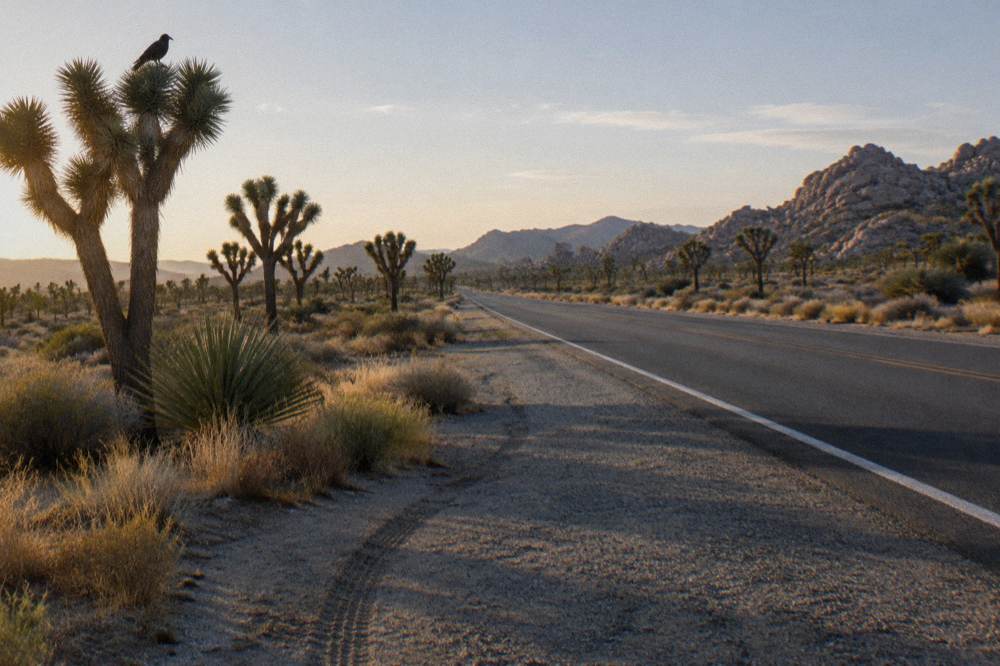
The practical crowd strategy is not secret, but it is worth stating: arrive early, or arrive late. The park never closes, so a 6 am entry beats the queue entirely, and an after-sunset entry turns the same visit into a stargazing trip. Midweek beats weekend in every month, and February weekdays are about as close as the park gets to having no line at all.
Guided tours absorb some of this pressure for you, which is part of what you are buying. A guide who knows which parking areas turn over and which do not saves the circling. For readers comparing formats, the roundup of Joshua Tree guided hikes and park tours covers the guided side, and the deeper comparison lives in guided tours versus driving yourself. For a full inventory of options by season, things to do in Joshua Tree is the companion page.
| Crowd situation | When it applies | What to do about it |
|---|---|---|
| Peak busy | Holidays, weekends Oct to May, spring break March to mid-April | Arrive before 8 am or after sunset; book tours and campgrounds well ahead |
| Busy season, quiet days | Weekdays Oct to May | Arrive by mid-morning; campgrounds still need booking |
| Shoulder quiet | Weekdays in May and September | Comfortable at most hours; heat checks needed late in the window |
| Quietest | Summer weekdays | Heat is the constraint, not people; plan dawn and dusk |
When Is The Best Time Of Year For Stargazing In Joshua Tree?
The best stargazing months balance three things: moonless nights, comfortable overnight temperatures and long hours of darkness. October and November deliver all three, while summer offers the Milky Way's galactic core at its best on moonless nights but demands a late bedtime. Winter has the longest, darkest nights of the year, and the cold is the only cost.
Joshua Tree National Park is a designated International Dark Sky Park, recognized by DarkSky International in 2017, and the park takes its night sky seriously enough to publish etiquette for it: red lights only, no bright white flashlights or phone screens, because eyes need 20 to 30 minutes to fully adapt. The park also names its four designated stargazing areas, the parking lots at Quail Springs, Hidden Valley, Cap Rock and Ryan Mountain, and asks that visitors stay within 20 ft of their vehicle while stargazing there. The wider set of guides lives on Joshua Tree Park Tours.
The park's own darkest-sky notes are worth folding into timing decisions. Cottonwood Campground has the darkest skies among the campgrounds, and Pinto Basin Road between the Cholla Cactus Garden and Cottonwood offers roadside pullouts with the least traffic and darkest skies in the park. For readers planning a trip around the sky specifically, the site's Joshua Tree stargazing guide goes deeper, and the question of which months the Milky Way core is visible is covered in the Milky Way season guide.
Guided options split by location, and the distinction matters. The Professional Stargazing Night, from $200 per person for 2 hours and rated 4.9 across 179 reviews, runs on private land just outside the park in Yucca Valley, not inside the national park, and no park pass is involved. It brings telescopes, an astronomer, astro-binoculars, loungers, blankets, and coffee or tea. The Starlight Hike, from $95 per person for 2 hours, is the inside-the-park alternative, with access to a trailhead inside the park and transportation not included. Both are moon-phase-dependent products: a full moon washes out the fainter stars, which is why the park's stargazing guidance says to avoid the moon.
For the self-guided evening, the rules are simple and free once you have paid park entry or hold a pass: red light only, layers, a chair, water, and no "paint with light" photography, which the park prohibits. The park's stargazing page is the source for all of it.
How Does The Season Change Which Tour You Should Book?
Season changes the right tour format more than it changes the right tour company. In spring and fall, every format works, from a $16.99 self-driving audio tour to a full-day guided hike. In summer, vehicle-based tours and evening stargazing are the sensible picks. In winter, climbing and hiking shine, and the cold nights argue for a guided stargazing setup with blankets and telescopes rather than a do-it-yourself parking lot.
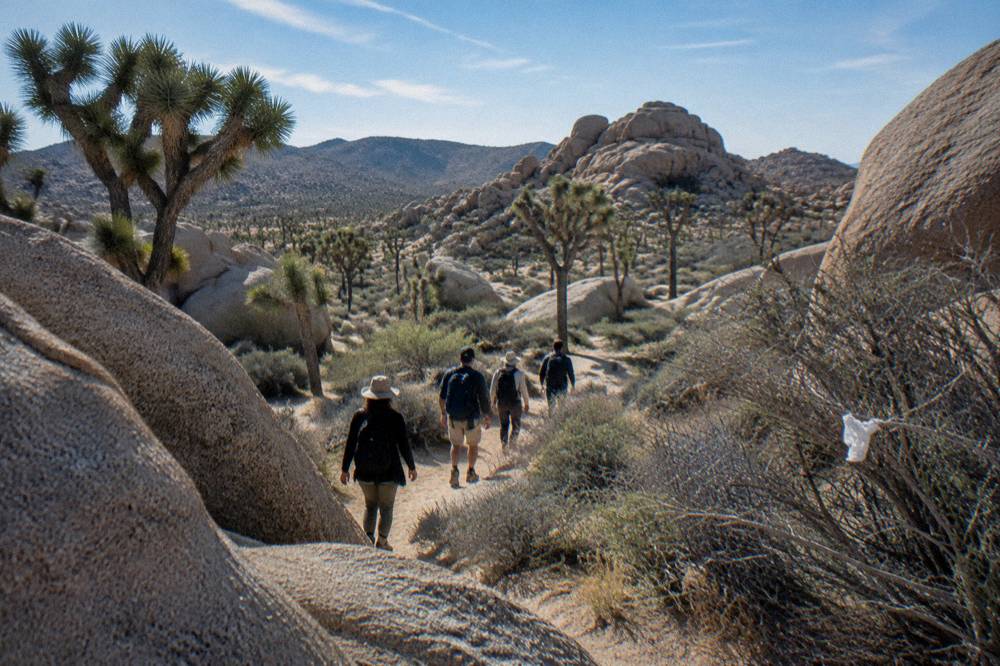
The Half-Day Guided Hike, from $335 per person for 4 hours 30 minutes and rated 5.0 across 122 reviews, is a shoulder-season product in the purest sense: it includes a daypack and water, and it asks for half a day of your body's cooperation. Cynthia, a guest on that hike, described it as "like taking a masters class in one of the most beautiful places in the US," which is the kind of experience that only lands when the temperature cooperates. The park entrance fee is separate.
Summer points to the vehicle formats. The Offroad 4x4 Park Tour, from $249 per person for 5 hours and rated 4.9 across 471 reviews, covers backcountry terrain in a purpose-built vehicle with a professional guide, water, snacks and live commentary. Kelly, a guest on that tour, called the guide excellent and recommended it to anyone "unfamiliar with Joshua Tree... who want to make the most of limited time inside the park." Entrance fee is separate on that one too.
Winter and shoulder seasons are also when the long-distance day trips make sense, because a 10 to 12 hour day is easier to survive in mild weather than in peak summer heat. The Small-Group Day Trip from Los Angeles, from $219 per person for 10 to 12 hours with park admission, lunch, snacks and a guide included, is rated 4.8 across 36 reviews. Oscar, a guest, noted the guide "kept things smooth, so you actually had time to wander... not just snap a photo from the bus."
| Tour format | Best season | Why the season matters |
|---|---|---|
| Guided hikes (half or full day) | Spring, fall, winter | On-foot hours need 60 to 85 F days, not summer heat |
| Vehicle tours (van, Hummer, 4x4) | Any season, ideal in summer | Air conditioning and short optional walks beat the heat |
| Stargazing sessions | Fall, winter, moonless summer nights | Depends on darkness and comfortable overnight temps |
| Climbing and rappelling | Fall, winter, spring | Granite in full sun is punishing in summer |
| Day trips from LA or Las Vegas | Spring, fall, winter | Long days are tolerable outside peak heat |
For readers weighing the full climbing calendar, Joshua Tree rock climbing tours covers the guided side, and the park's own climbing rules, including that guides must be permitted to work in the park, are on its climbing page.
What Should You Know About Visiting Joshua Tree In Winter?
Winter days in Joshua Tree typically reach around 60 F with nights near or below freezing, and occasional snow falls at the higher elevations. It is the quietest scenic season, with the longest nights for stargazing, and the cold is manageable with layers. Campgrounds are open and among the easiest to book all year.
Winter is the connoisseur's season. The crowds that define October through May weekends are largely gone, the granite is cool to the touch for climbers, and the night sky gets more hours of true darkness than in any other month. The climbing formats on this site, including the 4-Hour Guided Climbing at from $255 per person, rated 5.0 across 60 reviews, and the Family Climbing Trip at the same from-price, are winter and spring products at heart, since a 4-hour session on sun-baked rock in July is a different proposition than in January.
The one winter caution is the night itself. The park's stargazing guidance says to layer up, bring a chair and water, and that advice is not decorative: freezing means freezing. The Professional Stargazing Night's setup, with Yogibo loungers, blankets, and coffee or tea included, is designed around exactly this, and its private-land Yucca Valley location means no park pass is needed for the evening.
Snow, when it comes, is usually brief and confined to the high country near Quail Mountain and the western entrances. It makes the joshua trees photograph beautifully and the granite slippery, so winter hikers should treat footwear as a real decision. For a fuller treatment of the season, the site's Joshua Tree in winter page is the dedicated guide.
Do You Need A Reservation To Enter Joshua Tree?
No timed-entry or advance reservation is needed to enter Joshua Tree National Park. The park is open 24 hours a day, 365 days a year, and visitors simply buy or show an entrance pass: $30 per private vehicle for 7 days, $25 per motorcycle, or $15 per person on foot or bicycle, with children under 16 needing no pass. Reservations are only required for most campgrounds and for ranger-led Keys Ranch tours.
The distinction between "no reservation" and "no planning" is where visitors get caught. Entrance is open, but the reservation campgrounds on recreation.gov, Black Rock, Cottonwood, Indian Cove, Jumbo Rocks and Ryan, book from same-day up to six months ahead, and holiday weekends in the October-to-May busy season go early. The first-come, first-served campgrounds, Hidden Valley, White Tank and Belle at $25 a night, fill early in the busy season and require payment within an hour of setup.
| Entrance pass | Price | Validity |
|---|---|---|
| Private vehicle | $30 | 7 days, all passengers of one non-commercial vehicle |
| Motorcycle | $25 | 7 days, up to 2 motorcycles and 4 passengers |
| Per person, on foot or bicycle | $15 | 7 days, age 16 and up |
| Joshua Tree annual pass | $55 | 12 months from purchase month |
| Guided-tour guests | $15 per person, or own valid pass | As the park publishes for commercial tour groups |
The park also publishes fee-free days each year for US citizens and residents, and the 2026 list includes February 16, May 25, June 14, July 3 to 5, August 25, September 17, October 27 and November 11. Those days are free but they are also, predictably, the most crowded days of their weeks, which loops back to the crowd rhythm above. The full fee and pass structure lives on the park's fees page, and passes can be bought at the visitor centers, the North and West Entrance Stations by card, or online in advance, with digital passes printed or saved before arrival because connectivity inside the park is limited.
One guided-tour detail worth knowing: on tours where the listing does not include admission, the park's published rule for commercial tour guests applies, a $15 per person entrance fee or the guest's own valid pass. Several tours on this site, including the Backroads Hummer H2 Tour and the Small-Group Day Trip from Los Angeles, do include admission in the listing price, so it is worth checking each listing's inclusions before assuming either way.
How Should You Time A Single Day Inside The Park?
Structure a Joshua Tree day around two anchors: a morning window from sunrise to about 10 am, and an evening window from an hour before sunset onward. Midday is for driving between stops, not for hiking, in every season except winter. On a first visit, one scenic drive plus one short walk plus one stargazing stop beats an ambitious three-trail plan that collapses by noon.
The park's geography cooperates with this. The main scenic spine, Park Boulevard, connects the western entrances to the heart of the park, with Keys View Road branching off toward the overlook, and Pinto Basin Road running south toward the Cholla Cactus Garden and Cottonwood. A day that drives this spine with stops, rather than committing to long hikes, matches what most guided tours actually do, and it is no accident that the Paved Road Van Tour covers its ground in about 5 hours rather than trying to do everything.
For the self-driving reader, the Self-Driving Audio Tour, from $16.99 per person and rated 4.5 across 806 reviews, is the budget version of the same logic: a GPS-guided app with automatic audio stories, offline maps and suggested stops, working with your own car and phone. April, a guest, called it "fun and easy to do at our own pace." It does not include park entry, parking, food or a car, and there is no live guide, so it suits confident drivers in comfortable seasons.
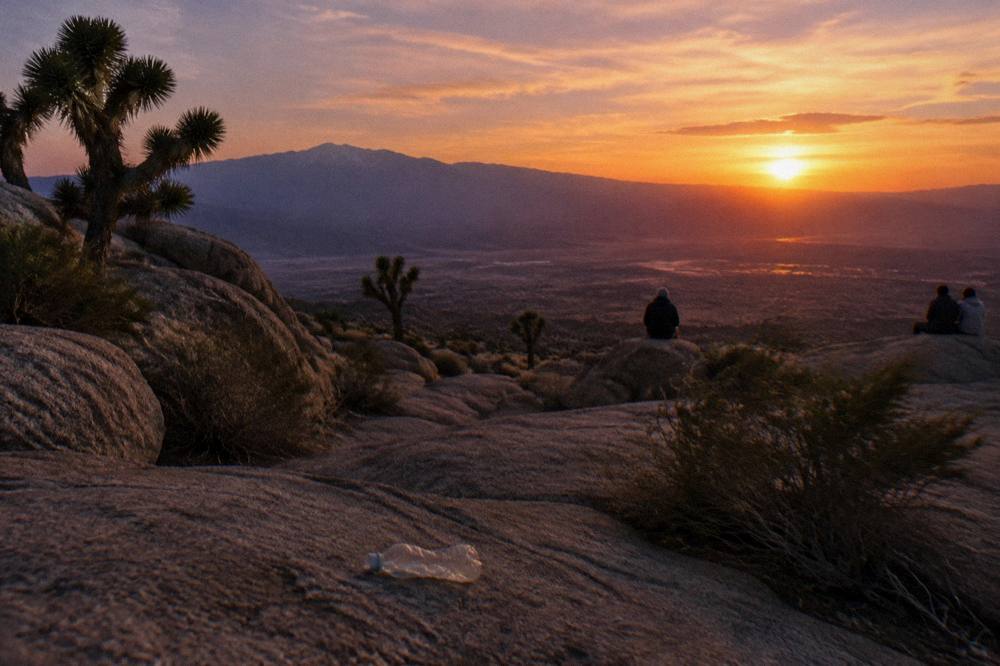
The evening anchor deserves as much respect as the morning one. Sunset at Keys View, then a drive back into the park's interior to one of the four designated stargazing areas, is a classic first-visit arc, and it costs nothing beyond the entrance pass. The park's stargazing page covers the red-light rule and the designated lots. What a guided evening adds is telescopes and an astronomer, which is a genuinely different experience from naked-eye viewing, and on this site that means the private-land sessions outside the park in Yucca Valley.
Which Combination Of Month And Tour Is Right For You?
Pair the month with the format. October or April for a first visit with a van or sightseeing tour; a winter month for climbing, solitude and the longest stargazing nights; a summer month only with a vehicle tour or a moonless-night stargazing session. For most first-time visitors, the best single answer is a fall or spring weekday with a guided morning and a self-guided evening under the stars.
That combination works because it uses the day's natural shape. A guided morning puts an expert between you and the park's complexity: which pullouts are worth the stop, which boulder pile is the photo, why the trees grow where they do. A self-guided evening costs only the entrance pass you already hold and uses the park's designated stargazing areas. Between them, the middle of the day is for the Keys View overlook and a slow drive, which is what the middle of the day is for anyway.
For visitors arriving from Los Angeles without a car, or wanting the park handled end to end, the day-trip formats bundle the whole thing, admission included on the small-group departure. For locals and repeat visitors, the audio tours at from $15 to $19.99 are the cheapest way to add interpretation to a self-driven day. And for the sky-focused reader, the stargazing sessions are the only formats on this site built entirely around the night.
Common Questions About The Best Time To Visit Joshua Tree
What Is The Best Month To Visit Joshua Tree?
October and April are the strongest single months: typical highs of 70 to 85 F, cool nights near 50 F, full campground operations and long evenings for stargazing. The trade-off is crowds, since weekends from October through May and spring break in March to mid-April are the park's busiest periods. A weekday in either month is the best of both.
Is Joshua Tree Too Hot In Summer?
Summer highs typically reach around 100 F or more, with lows near 75 F, so midday hiking is off the table and the park itself closes the 49 Palms Oasis Trail from June 1 to September 30 each year. Summer visits work when structured around early morning and evening, ideally with a vehicle-based tour and a stargazing session.
Is Winter A Good Time To Visit Joshua Tree?
Yes. Winter days typically reach around 60 F, which is excellent for hiking and climbing, and the nights are near or below freezing with occasional snow at higher elevations. Crowds are the lightest of the year, and the long nights make it the best season for stargazing if you dress for it.
When Is Joshua Tree The Most Crowded?
The park's own guidance names holidays, weekends from October through May, and spring break from March to mid-April as the crowded periods. The first-come, first-served campgrounds fill early in the busy season, and reservation campgrounds on recreation.gov book up to six months ahead, with holiday weekends going first.
Do You Need A Reservation To Enter Joshua Tree National Park?
No. There is no timed entry or advance reservation for park entrance; visitors buy or show a pass, $30 per vehicle, $25 per motorcycle or $15 per person, valid for 7 days. Reservations are needed only for most campgrounds and for the ranger-led Keys Ranch tours.
What Time Of Year Is Best For Stargazing In Joshua Tree?
Fall and winter offer the best combination of dark, moonless nights and comfortable scheduling, with October and November the strongest months. Summer offers the Milky Way's galactic core at its best on moonless nights, but late. Avoid the week around a full moon in any season, since bright moonlight reduces the stars you can see.