Guided Tours Of Joshua Tree National Park Versus Driving Yourself
The buy-or-drive decision at Joshua Tree comes down to cost per person, how much planning you want to carry, and how much the desert heat and parking squeeze your day.
Short answer
A guided tour of Joshua Tree National Park runs from $99 to $409 per person depending on format, while driving yourself costs $30 per vehicle for a 7-day pass plus gas and food. Tours handle navigation, timing and entry rules; driving yourself trades that for full schedule control, and a $16.99 per person audio tour splits the difference.
The park road system is the whole game at Joshua Tree National Park. There is no shuttle, no tram and no lodge inside the boundaries, so every visitor arrives either in their own vehicle or in someone else's, and the choice between those two shapes everything else about the day: what it costs, how early you start, where you park, and how much of the park you actually see before the heat or the crowds win. This guide lays out both sides with real numbers from the tour listings and the park's own published rules, then covers the middle path most comparison pages skip, the self-guided audio tour that turns your own car into a narrated one. If you're still deciding which desert park deserves your day, the Joshua Tree vs Anza-Borrego comparison weighs landscape, crowds, cost and stargazing side by side.
The short version: driving yourself is cheaper per group and freer, a guided outing buys expertise and zero planning load, and the audio tour splits the difference for a fraction of either. For a fuller picture of the trade-offs, Joshua Tree Park Tours compares every bookable format side by side.
What Does A Guided Tour Of Joshua Tree National Park Cost Versus Driving Yourself?
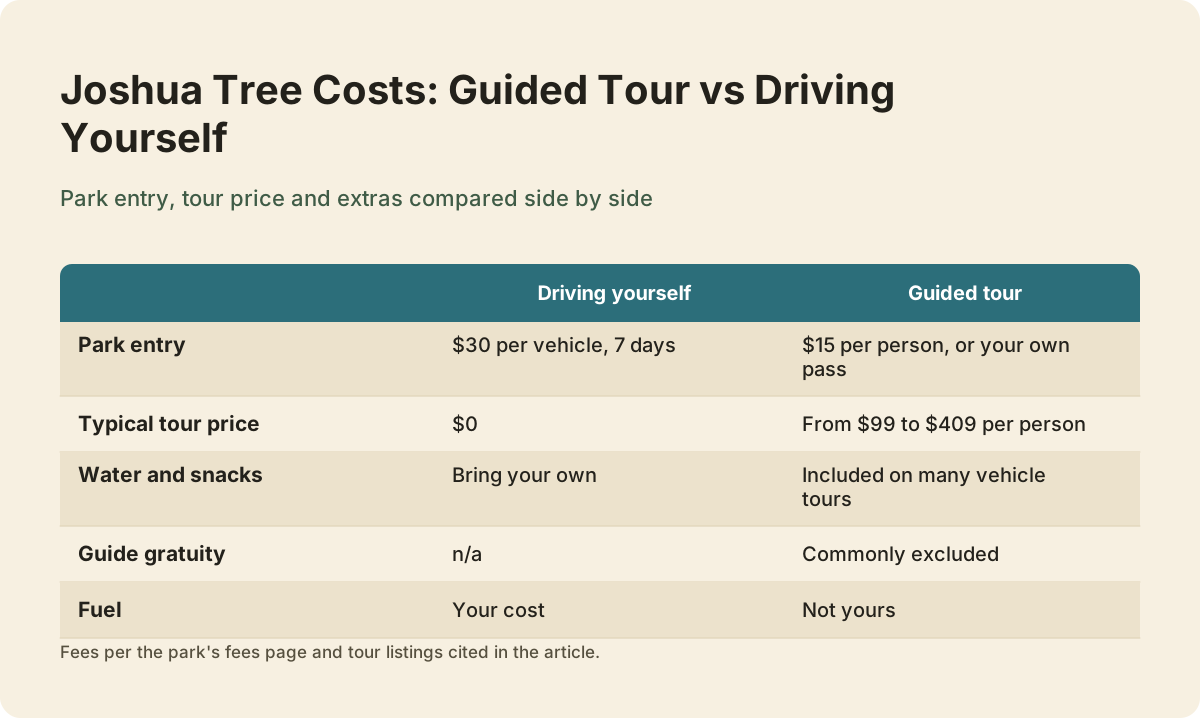
Driving yourself costs $30 per vehicle for a 7-day pass plus fuel and food, so a car of four splits that single pass between them. Guided tours run from $99 to $409 per person depending on format, and most listings do not include the park's $15 per person guided-tour guest entrance fee, so the true guided cost is the tour price plus that fee unless the roster line says admission is included.
The entry math is where most comparisons go wrong. The park's fees page sets a private vehicle at $30 for seven days, a motorcycle at $25, and a per-person fee of $15 for anyone entering on foot or by bicycle. Guided-tour guests fall under a different rule the park publishes on its commercial use authorization page: each guest pays $15 per person at the booth or uses their own valid pass. A few listings, like the Backroads Hummer H2 Tour at $159 per person and the Small-Group Day Trip from LA at $219 per person, state that general admission or the entrance fee is included, and those are the exceptions rather than the rule.
On top of entry, budget for what the park does not sell. There are no gas stations, restaurants, grocery stores or water fill-ups inside the park, so a self-drive day carries its own food, water and a full tank. Tours differ: the Offroad 4x4 Park Tour includes bottled water and snacks, while the Caves and Corridors Scramble asks you to bring your own food and water outright.
| Cost item | Driving yourself | Guided tour | Notes |
|---|---|---|---|
| Park entry | $30 per vehicle, 7 days | $15 per person, or your own pass | Included only where the listing says so |
| Typical tour price | $0 | From $99 to $409 per person | Format drives the price |
| Water and snacks | Bring your own | Included on many vehicle tours | Check the includes list per listing |
| Guide gratuity | n/a | Commonly excluded | Budget separately |
| Fuel | Your cost | Not yours | Tours meet near the park |
A family of four comparing a $99 per person sightseeing tour against one $30 vehicle pass is comparing four tour tickets against a single pass plus gas, and that gap is the honest starting point for everything else in this guide.
Is A Guided Tour Or A Self-Drive Better For First-Time Visitors?
First-timers with a full day and a tolerance for route-planning do fine driving themselves, since the park needs no reservation and the main roads are paved and signed. First-timers on a tight schedule, or anyone visiting in summer heat, get more from a guide, because a guide compresses the learning curve and picks timing that avoids the midday sun, which the park itself warns against. Whichever way you go, why the Joshua tree matters is useful background for the ride out.
The self-drive case rests on how simple the park's logistics actually are. No timed-entry or advance reservation is needed to enter, the park is open 24 hours a day year-round, and Park Boulevard connects the main sights on pavement. The park's first-time visitors page confirms you simply buy or show a pass at the booth. What that page also confirms is what is missing: no water in the interior, very limited cell reception, and heavy crowding on weekends from October through May.
The guided case rests on what a day of self-driving quietly costs you. Parking at popular spots fills early in the busy season, the distances between entrances are long, and the interpretive layer, the geology, the plants, the reasons a pile of boulders matters, is thin on roadside signs. A guide handles all of it. Maria, a guest on the paved road van tour, described her guide as "full of personal knowledge of the Palm Desert area and of our destination, Joshua Tree National Park," which is exactly the layer a windshield-only visit skips. If the interpretive layer is what you're after, our guide to what makes the Joshua tree and its park so special covers the trees, the night skies, and the landscape a good guide brings to life.
If you are leaning guided but want to compare formats first, the Joshua Tree guided hikes and park tours hub lays out every option with prices and durations.
The three options above bracket the whole decision. The Self-Driving Audio Tour at $16.99 per person is your own car with a narrator, the Audio Tour and Local Guide at $15 per group is the cheapest guided-adjacent product on the roster, and the Paved Road Van Tour at $249 per person, rated 4.9 across 302 reviews, is the full guided experience on the park's main road.
How Do Guided Tours And Driving Yourself Compare Overall?
Guided tours win on planning load, interpretation and heat-timed schedules; driving yourself wins on cost per group, flexibility and time control. The audio tour occupies the middle: it costs $16.99 per person, runs on your own schedule, needs no reservation, and delivers a guide's routing and stories through an app, but it cannot answer questions, adapt to weather on the fly or handle parking decisions for you.
This is the section that decides the question, so it gets the full grid. Six dimensions, drawn from the tour listings and the park's published rules, with no weighting: score them yourself against what your own trip values.
| Dimension | Drive yourself | Guided vehicle tour | Self-guided audio tour |
|---|---|---|---|
| Cost for four people | One $30 vehicle pass plus gas | Four tour tickets plus entry | Four tickets plus the vehicle pass |
| Planning load | All on you | None | Route provided, timing yours |
| Schedule control | Total | Fixed departure | Total |
| Interpretation | Signs only | Live guide, questions answered | Recorded stories, no interaction |
| Parking pressure | You compete | Driver handles it | You compete |
| Physical demands | You set them | Set by the tour | You set them |
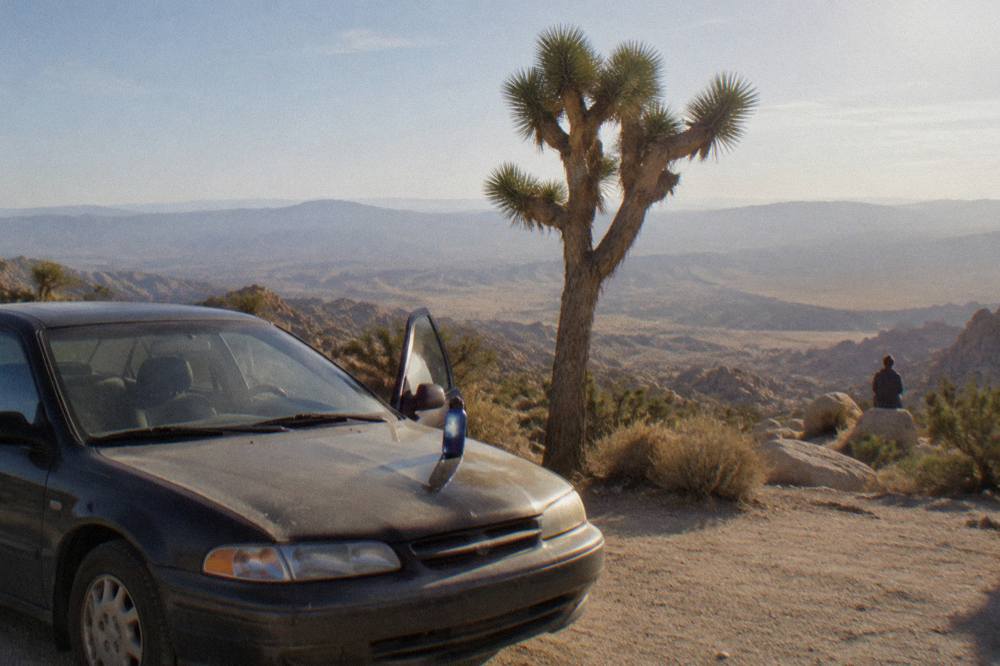
The audio-tour middle path deserves its own explanation, because it is the option most first-page comparisons leave out. The Self-Driving Audio Tour, rated 4.5 across 806 reviews, works through a separate app you open after booking: it guides your route with GPS, plays automatic audio stories as you approach each stop, works offline, and lets you start, stop and pause whenever you like. April, a guest on that tour, called it "fun & easy to do at our own pace." It is not an entrance ticket, and there is no live guide, but for a traveler who wants the routing and the stories without surrendering the schedule, it is the direct answer.
If that middle path is the one that fits your trip, it is worth checking what the audio option looks like on a live listing before you commit to either extreme.
What Can A Guided Tour Reach That Your Own Car Cannot?
On paper, very little: your own car can drive every paved and many dirt roads a tour van uses, since vehicles must stay on designated roads either way. In practice, guided tours reach places and timing self-drivers miss, because guides know the pullouts, time the light, and in the case of the Offroad 4x4 Park Tour, take unpaved back roads most rental agreements and most drivers would rather not attempt alone.
The rules are the same for everyone. Street-legal vehicles, motorbikes and bicycles must stay on designated roads, and ATVs, UTVs, OHVs and dirt bikes are prohibited outright, a rule the park states plainly. What separates a tour vehicle from your own is not access rights but access confidence. The Offroad 4x4 Park Tour, from $249 per person for 5 hours and rated 4.9 across 471 reviews, works the unpaved side of the park with a driver who does that routing for a living. Kelly, a guest on that tour, summed up the value: the guide "taught us a lot through the tour along with some good laughs" and it suited travelers "who want to make the most of limited time inside the park."
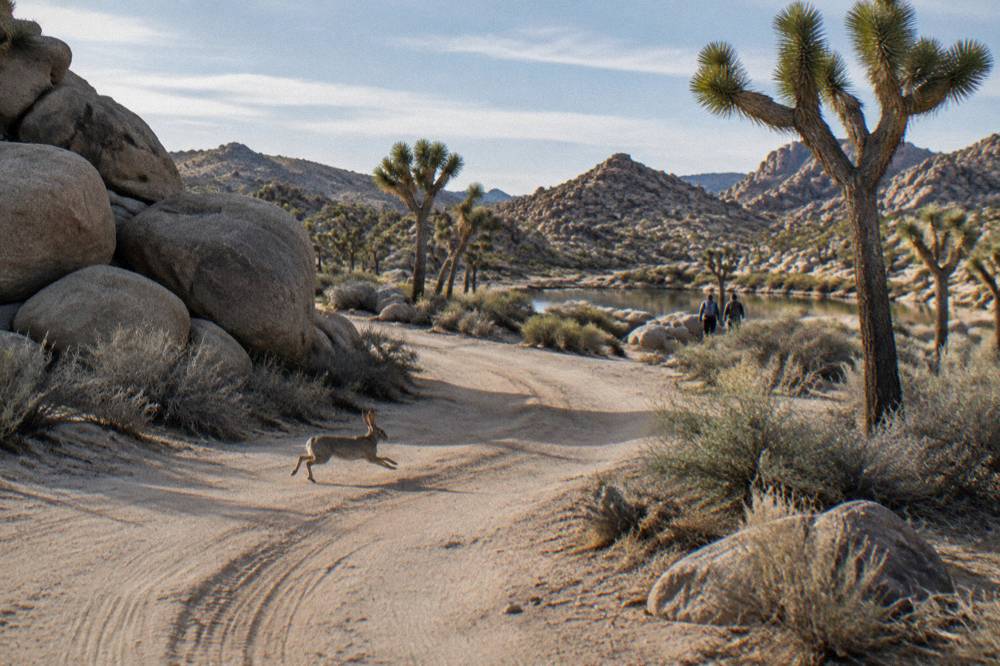
Timing is the other reach advantage. A guide who runs the park weekly knows which overlook faces the morning light and which trailhead has shade at which hour, and in a park where summer highs typically run around 100 F, that knowledge is not cosmetic. For hikers, the gap widens further: the Half-Day Guided Hike at $335 per person and the Full-Day version at $409 per person both include a guide who, in Cynthia's words, "knows the trails, and chose one that suited us perfectly."
| Guided format | From price | Duration | What it reaches that self-drive does not |
|---|---|---|---|
| Offroad 4x4 Park Tour | $249 per person | 5 hours | Unpaved back roads with an expert driver |
| Half-Day Guided Hike | $335 per person | 4 hours 30 minutes | Trail selection matched to your group |
| Paved Road Van Tour | $249 per person | 5 hours | Guided interpretation with zero driving |
| Electric Motorbike Tour | $169 per person | 2 hours 30 minutes | Quiet, guided two-wheel touring on park roads |
How Do Park Rules Treat Private Vehicles Versus Tour Operators?
For you as a visitor, almost identically: the same roads, the same campfire rules, the same drone ban. The differences sit on the operator side, where commercial guides must hold a Commercial Use Authorization and pay per-activity application fees, and on the entry side, where your vehicle pass covers everyone in the car while tour guests pay $15 per person or use their own pass.
The operator-side rules matter to you in one practical way: a guide working inside the park legally is a permitted guide, and the park's climbing page states guides must be permitted to work there. When comparing operators, that permit is the baseline question, not a bonus. The park's fees page covers everything on the visitor side, including the passes accepted at the booth and the fee-free days for US citizens and residents.
One rule catches self-drivers more often than tour guests: pets. Dogs are not allowed on trails, in the backcountry or in park buildings, even carried, and must stay within 100 feet of roads, parking areas and campgrounds on a leash of six feet or less. If your trip plan includes a dog, a vehicle-based tour is not a workaround for trail access, and the park's pets page states the limits in full.
How Do Heat And Parking Affect The Guided Versus Self-Drive Decision?
Heat pushes hard toward guided or audio formats in summer and toward early starts either way, because typical summer highs run around 100 F with lows near 75 F, and the park advises avoiding midday activity. Parking pushes toward early starts in the busy season, October through May, when weekends fill trailhead lots; a tour absorbs both pressures by setting the schedule and the driver handling the parking.
The seasonal numbers come from the park's own conditions guidance. Spring and fall bring typical highs of 70 to 85 F, winter days sit around 60 F with freezing nights, and summer demands respect for heat illness signs and ample water. Lori, a guest on the Backroads Hummer H2 Tour, reported temperatures "above 100 degrees" on a summer outing and recommended a hat and sunscreen, which is advice that applies identically to anyone driving themselves.
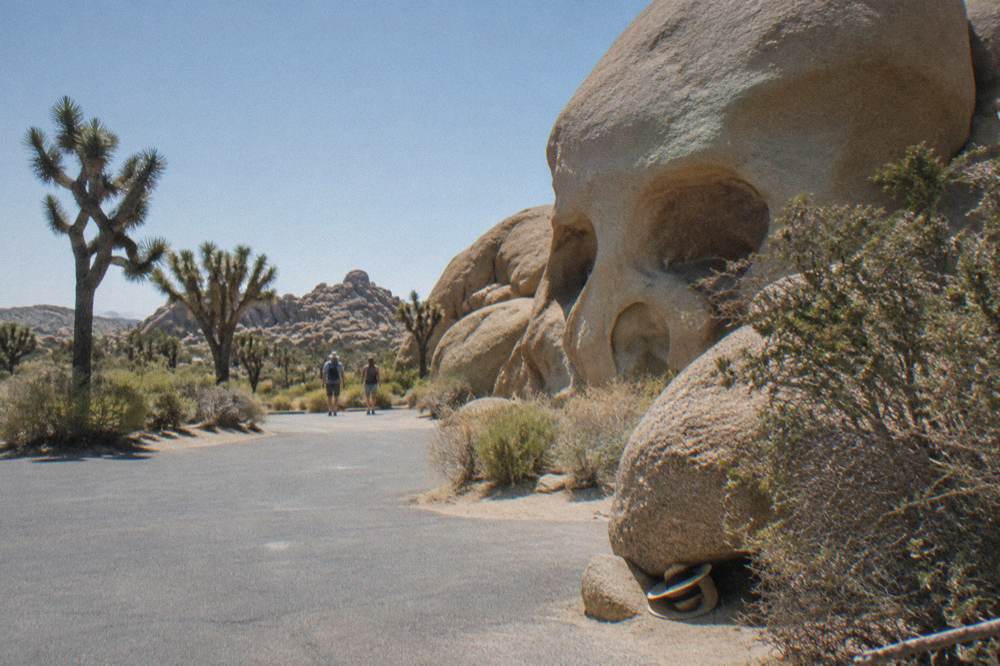
Parking is the quieter factor. The park itself flags holidays, weekends from October through May and spring break as the crowded windows. A self-driver arriving mid-morning on a spring Saturday circles lots that filled at sunrise. A tour van driver does the same circling, but it is their problem, not yours, and their departure times are set with that congestion in mind. The trade is real: you give up the ability to linger an hour at a spot you love.
For the timing question specifically, the best time to visit Joshua Tree guide breaks the seasons down in detail, and the one day in Joshua Tree itinerary shows what a self-drive schedule looks like when parking and light are planned around each other.
Which Tour Format Fits Which Traveler?
Budget travelers and returning visitors should drive themselves or use the $16.99 per person audio tour. Travelers who want interpretation without effort fit the van and sightseeing tours from $99 to $249 per person. Adventure travelers fit the 4x4, climbing and hiking formats from $195 to $409 per person, and anyone without a car, or coming from Los Angeles or Las Vegas, needs a pickup tour or a private day trip.
The format-to-traveler mapping is where the price spread makes sense. The Sightseeing Adventure Tour at $99 per person, rated 4.9 across 178 reviews, is the entry-level guided product: private transportation, a guide, water, four to five hours. Jack, a guest on it, noted the guide "had knowledge of the park and the terrain, flora and fauna and geographic features." At the other end, the climbing products, from $195 to $255 per person, put you on the rock with certified guides, and the rappelling version includes a 100-foot free-hanging descent that no self-drive day replicates.
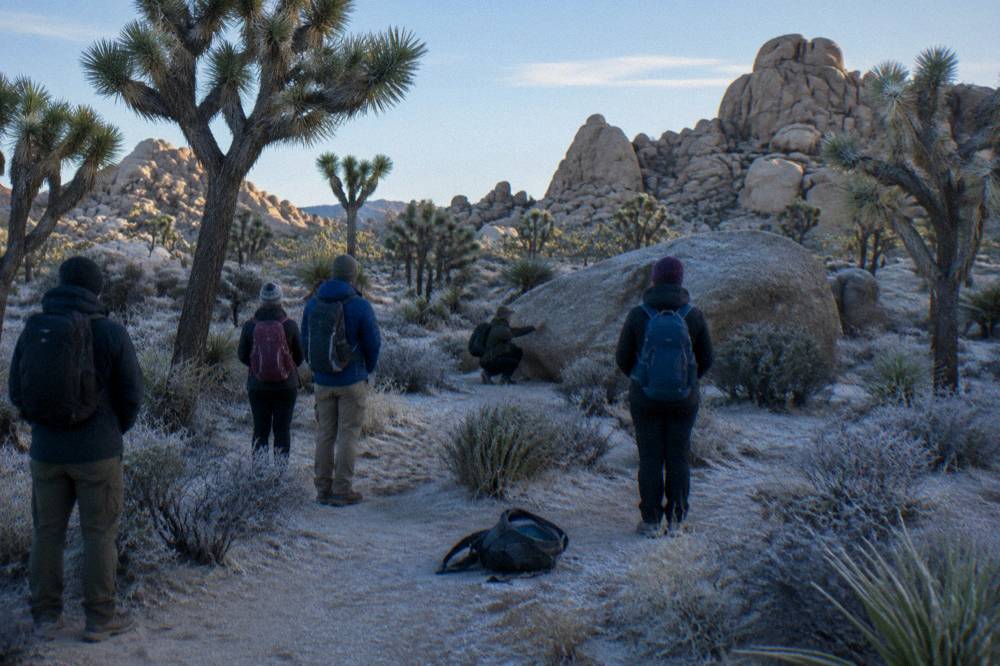
For travelers without a vehicle, the format question answers itself. The Small-Group Day Trip from LA at $219 per person runs 10 to 12 hours with hotel pickup, park admission and a deli lunch included, rated 4.8 across 36 reviews. The Las Vegas to LA via Joshua Tree transfer at $150 per person turns a one-way drive into a 12-hour park visit with the entrance fee and unlimited snacks and drinks included.
| Traveler | Best fit | From price | Why |
|---|---|---|---|
| Budget, own car | Self-drive or audio tour | $30 per vehicle / $16.99 per person | Lowest cost, full control |
| First-timer, short on time | Sightseeing Adventure Tour | $99 per person | Guided highlights in 4 to 5 hours |
| No car, from LA | Small-Group Day Trip from LA | $219 per person | Pickup, admission and lunch included |
| Adventurous | Offroad 4x4 or climbing tours | $195 to $255 per person | Back roads and rock with experts |
| Family with kids | Family Climbing Trip | $255 per person | Guide scales the day to the group |
What Do Guides Actually Add Beyond The Driving?
Beyond the wheel, guides add route judgment, safety context and interpretation: they match trails to your group, carry the knowledge layer the roadside signs skip, and on climbing tours supply all safety equipment plus a professionally certified guide and Wilderness First Responder. None of that is available from a windshield, and none of it is what the park itself provides beyond free ranger programs that need no reservation.
The climbing listings state the safety case most concretely: all necessary safety and climbing equipment is provided, and the guide is a professionally certified rock climbing guide and Wilderness First Responder. Calista, whose family took the beginner group climbing session, wrote that the instructor explained everything and that the family "always felt secure and safe." For rappelling, Aric's review describes three climbs and two rappels, the final one a 100-foot descent with no wall face, tailored on the day to the group's experience level.
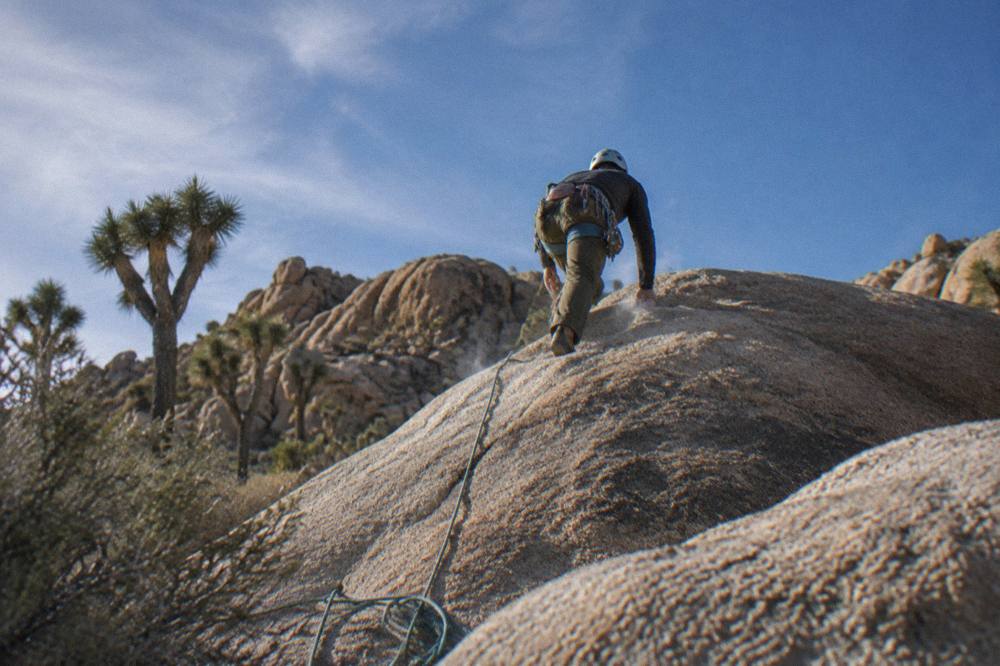
The interpretation layer is harder to price but easy to recognize in the reviews. Guests on the guided hikes describe their guides as experts in the park's geology, plants and animals; guests on the van tours describe drivers who know the area's flora, fauna and history. A self-drive day can approximate part of this with the audio tour's recorded stories, and the park's free ranger programs cover another slice, but a live guide who answers your specific questions is a different product.
If the climbing angle is the one that pulled at you, the Joshua Tree rock climbing tours hub compares all five climbing and rappelling listings, and the best hikes in Joshua Tree guide covers what the non-guided version of that day looks like.
Can You Mix Guided And Self-Driven Time In One Trip?
Yes, and it is the smartest structure for a multi-day visit: the park pass is valid for seven days, so a common pattern is one guided outing on day one to learn the layout, then self-driving or audio-touring the rest on your own schedule. Because no entry reservation exists, there is nothing to coordinate beyond the tour booking itself.
The seven-day pass is what makes hybrid trips work. One $30 vehicle pass covers a whole week of re-entry, and the guided-tour guest rule allows reentry for seven days when you pay the per-person fee at the booth with a pass, so a single guided morning does not lock you into guided afternoons. Campers can extend the same logic: most campgrounds take reservations on recreation.gov, and a week splits naturally across mornings, evenings and the park's designated stargazing areas.
The mix also solves the heat problem. A guided sunrise or morning block, then your own car for a slow afternoon at a visitor center, then a return for the night sky, uses each format where it is strongest. The park's stargazing page names the four designated stargazing parking areas, Quail Springs, Hidden Valley, Cap Rock and Ryan Mountain, which are exactly the spots a self-driven evening should target.
Which Choice Wins For The Money?
For a group of three or more with a car, driving yourself wins on pure cost, at $30 total entry against tour prices that start near $100 per person. For solo travelers, the gap narrows sharply, and for anyone who values the interpretation, the timing judgment or the offroad access, a guided tour or the $16.99 audio tour returns more than it costs.
Run the arithmetic per person and the decision clarifies. A solo visitor pays $15 to enter on a tour or $30 to bring a car, so a $99 guided sightseeing tour costs several times a self-drive day, and the audio tour at $16.99 sits within a few dollars of the self-drive total while adding the narrated layer. A group of four flips it: one $30 pass split four ways is trivial, and the guided premium is real money.
The honest close is that the two options are not really competing products. Driving yourself is transportation plus freedom; a guided tour is a service that happens to include transportation; the audio tour is a guide's brain in an app riding in your own car. If you already know which way you lean, the Joshua Tree self-guided audio tours hub and the Joshua Tree day trips and private tours hub cover both ends of the spectrum in detail.
Common Questions About Guided Tours Of Joshua Tree National Park Versus Driving Yourself
Is A Guided Tour Of Joshua Tree National Park Worth It?
It depends on what you value. Tours from $99 to $409 per person buy route judgment, interpretation and zero planning load, and the guided formats with the largest review pools, like the Offroad 4x4 Park Tour at 4.9 across 471 reviews, suggest most guests feel they got their money's worth. Travelers who enjoy planning and already have a car often prefer self-driving.
Do I Need A Reservation To Enter Joshua Tree National Park On My Own?
No. The park requires no timed-entry or advance reservation for entry; you buy or show an entrance pass at the booth, and the park is open 24 hours a day year-round. Campgrounds and the ranger-led Keys Ranch tours are the exceptions that do take reservations.
Is The Park Entrance Fee Included In Guided Tours?
Usually not. Most listings exclude the entrance fee, and the park's rule for guided-tour guests is a $15 per person fee at the booth or your own valid pass. Some listings, like the Backroads Hummer H2 Tour and the Small-Group Day Trip from LA, state that admission is included, so check the includes and excludes list on each listing.
Can I Drive My Own Car On The Same Roads The Tours Use?
Yes, on the paved roads and on the designated dirt roads, since all vehicles must stay on designated roads regardless of who is driving. What your own car cannot replicate is the guided offroad routing of the 4x4 tour, the guided hikes, or a guide's timing and parking decisions.
What Is The Cheapest Guided Option At Joshua Tree?
The Audio Tour and Local Guide is $15 per group with a 4.2 rating across 90 reviews, and the Self-Driving Audio Tour is $16.99 per person, rated 4.5 across 806 reviews. Both run through an app in your own car. The cheapest traditional guided outing is the Sightseeing Adventure Tour at $99 per person.
Is Driving Yourself In Joshua Tree Difficult?
The main roads are paved and signed, and the park needs no entry reservation, so the driving itself is straightforward. The challenges are logistical: no water or services inside the park, very limited cell reception, crowded parking on busy-season weekends, and summer heat that demands early starts and ample water.