One Day In Joshua Tree: A Sunrise To Stargazing Itinerary
One day is enough to see the heart of Joshua Tree National Park if you plan around the heat, the lack of services and the dark sky. This itinerary runs from an early morning entrance to a designated stargazing area after dark, with real tour options slotted in where they fit.
Short answer
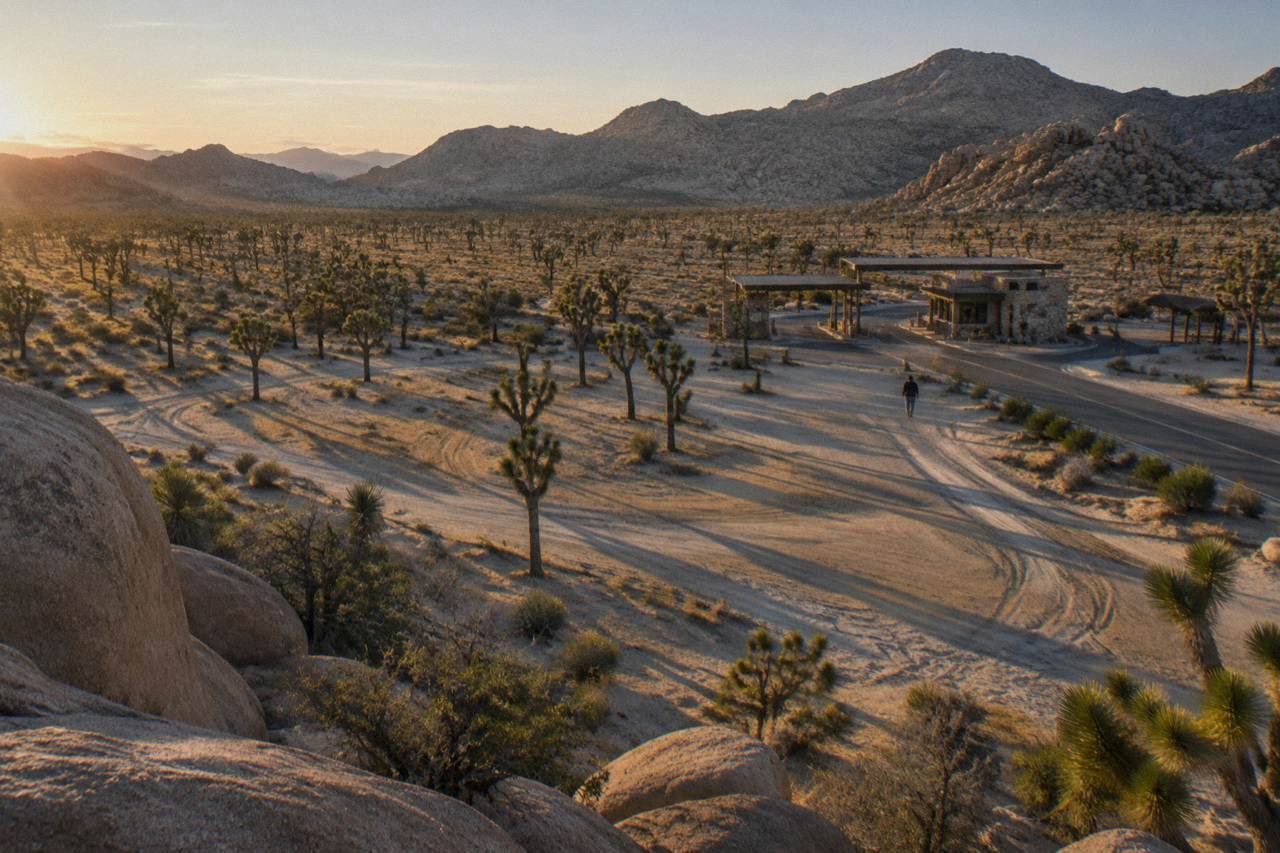
A good one day plan enters early, stops at a visitor center, tours the main sights along Park Boulevard in the cooler hours, rests through midday heat, catches sunset at a viewpoint and ends at a designated stargazing area. Entrance is $30 per vehicle for 7 days. No reservation is needed, and the park is open 24 hours.
One day in Joshua Tree National Park is a tight frame, but the park rewards it. The place has no gas stations, no restaurants, no grocery stores and no water in the interior, so the day is shaped less by what you want to see and more by what you carry in and when you choose to move. Heat is the real clock here: summer days typically run around 100 F or more, and even in spring and fall the midday hours push most sensible visitors into shade or into a vehicle.
This itinerary is built from the park's own published facts and from the tour listings on this site. It runs early morning to after dark, because the two best things about Joshua Tree, its rock formations in low light and its night sky, sit at opposite ends of the day. The park is an International Dark Sky Park, designated in 2017, and it keeps four designated stargazing areas open for exactly the kind of evening this plan ends with. Readers who want a deeper comparison of every guided option can start with Joshua Tree guided hikes and park tours; this page stays focused on the single day.
Can You Really See Joshua Tree National Park In One Day?
Yes, one day covers the park's core loop and a night sky session, though not every corner. A single day fits the Park Boulevard corridor, a visitor center stop, a sunset viewpoint and a designated stargazing area, which is the sequence most visitors remember. It does not fit deep backcountry, long hikes or the far south of the park. Enter early, leave after dark, and the day works.
The park spans an elevation range from 536 ft to 5,814 ft at Quail Mountain, and its main sights cluster along two paved roads: Park Boulevard across the north and Pinto Basin Road running south. A one day visitor who drives Park Boulevard, stops at the major rock formations and viewpoints, and finishes with stargazing has genuinely seen the park's signature landscape. What gets cut is depth: long hikes like the ones covered in our best hikes in Joshua Tree guide need their own morning.
Two park facts do most of the planning work for you. First, no timed-entry or advance reservation is needed to enter; you buy or show a pass and drive in, and the park is open 24 hours a day, year round. Second, crowds concentrate on holidays, weekends from October to May, and spring break from March to mid-April, so an early morning start buys you both cooler air and quieter pullouts. The park's first-time visitors page states both plainly.
| Time Block | What You Do | Why It Works |
|---|---|---|
| Early morning | Enter the park, visitor center stop, first rock formations | Coolest hours, thinnest crowds, best light on the rocks |
| Late morning | Short walks and viewpoints along Park Boulevard | Still comfortable walking weather in most seasons |
| Midday | Longer drive, shaded stops, rest or a guided vehicle tour | Avoids the hottest part of the day on foot |
| Late afternoon | Sunset viewpoint such as Keys View | Low light on the landscape, cooling air |
| After dark | Designated stargazing area | The park's dark sky is the day's second headline |
What Should The Morning Of A One Day Joshua Tree Itinerary Look Like?
Start at an entrance station early, buy your pass, and stop at a visitor center before the midday heat builds. The Joshua Tree Visitor Center on Park Boulevard opens at 7:30 am and the Twentynine Palms visitor center at 8 am, both daily year round. Rangers there give current conditions, and the stop sets up the rest of the day's route decisions before the pullouts fill.
The entrance fee is $30 per private vehicle for a 7-day permit, $25 for a motorcycle, or $15 per person entering on foot or bicycle, with children under 16 needing no pass. Those figures come straight from the park's fees page, which also lists the annual pass at $55 and the fee-free days for the year. If you plan more than one park trip in twelve months, the math favors the annual pass quickly.
The visitor center stop matters more here than in most parks because there is no water and no food for sale anywhere in the interior. Whatever you drink and eat all day, you carry in from the gateway towns of Joshua Tree, Yucca Valley or Twentynine Palms. The park's own guidance for summer visits emphasizes checking forecasts, carrying ample water and avoiding midday activity; that guidance is worth following even in cooler months, since trails have no shade and the rocks radiate heat.
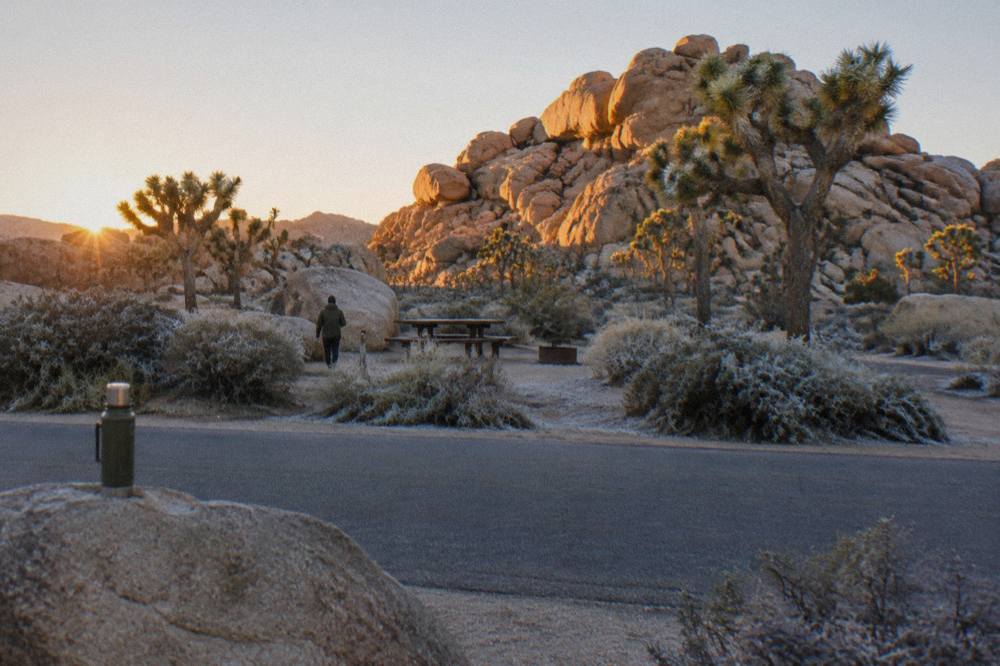
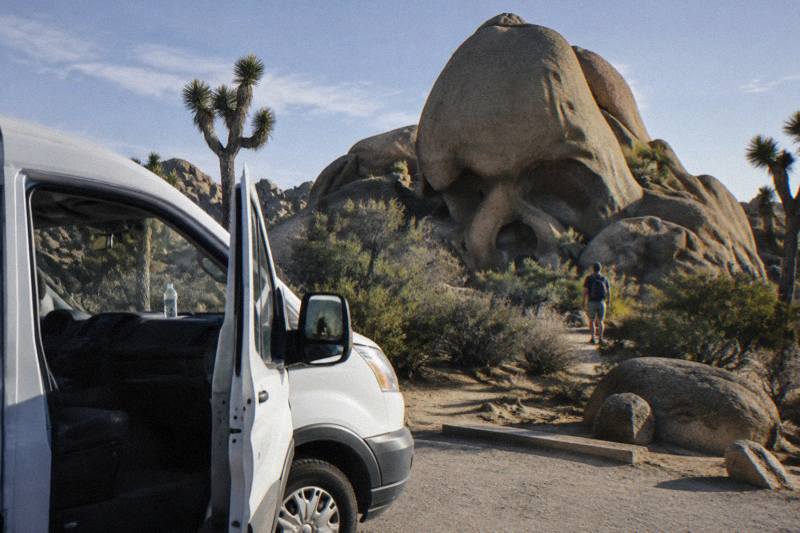
From the visitor center, spend the late morning on the Park Boulevard corridor. The short walks and roadside formations are the efficient use of these hours: you are moving on foot while the air is still kind, and driving between stops costs little. Our skull rock and hidden valley walkthrough covers that corridor stop by stop if you want the detail.
Which Tour Fits A One Day Visit Best?
A three hour local expert tour fits a one day visit best, because it compresses the park's highlights into a guided block and leaves the rest of the day free. The Local Expert Park Tour runs from $159 per person, meets in the Yucca Valley area and lasts about three hours. Longer options, like the 4 to 5 hour Sightseeing Adventure Tour from $99 per person, trade that flexibility for more ground.
The Sightseeing Adventure Tour is the value pick for a day built around a tour. At from $99 per person for 4 to 5 hours, rated 4.9 across 178 reviews, it includes private transportation, water and a guide, and it meets in the Joshua Tree area. Jack, a guest on that tour, described a guide who "had knowledge of the park and the terrain, flora and fauna and geographic features" and who "was informative, helpful, patient and friendly with all guests." Note the park's guided-tour guest rule: entrance is $15 per person at the booth unless you hold your own valid pass, and the park publishes that rule on its commercial use page.
The Local Expert Park Tour, meeting in the Yucca Valley area, is the one this site features for this itinerary because three hours leaves your morning and evening intact. It includes snacks, WiFi on board and an air-conditioned vehicle, and the listing carries only 2 reviews so far, too small a pool for a star claim. Janice, one of those guests, said of the operator: "Ted the tour operator is very considerate of all parties on this trip. He covers a lot of local history, culture geology foliage I truly enjoyed the experience."
There is also a budget format worth naming. The Self-Driving Audio Tour, from $16.99 per person and rated 4.5 across 806 reviews, runs through an app on your own phone with GPS-triggered commentary, and it is not an entrance ticket. For a reader who wants narration without a guide's schedule, it slots into the driving blocks of this itinerary without displacing anything.
What Should You Do In The Midday Heat?
Treat midday as vehicle time: drive the longer roads, stop at shaded or short-stop sights, and save walking for late afternoon. Summer highs typically reach 100 F or more with lows near 75 F, and even spring and fall days run 70 to 85 F with no shade on the rocks. The park's own safety guidance says to avoid midday activity in hot weather and know the signs of heat illness.
This is where a one day plan either survives or falls apart. There is no water in the park interior, cell reception is very limited, and the rocks hold heat well past sunset in warm months. A long midday hike is the single most common way a one day visit goes wrong. If you want serious walking, the Half-Day Guided Hike, from $335 per person and rated 5.0 across 122 reviews, is built for it, with a guide who carries route knowledge, water planning and heat timing. Cynthia, a guest on that hike, called it "like taking a masters class in one of the most beautiful places on the US."
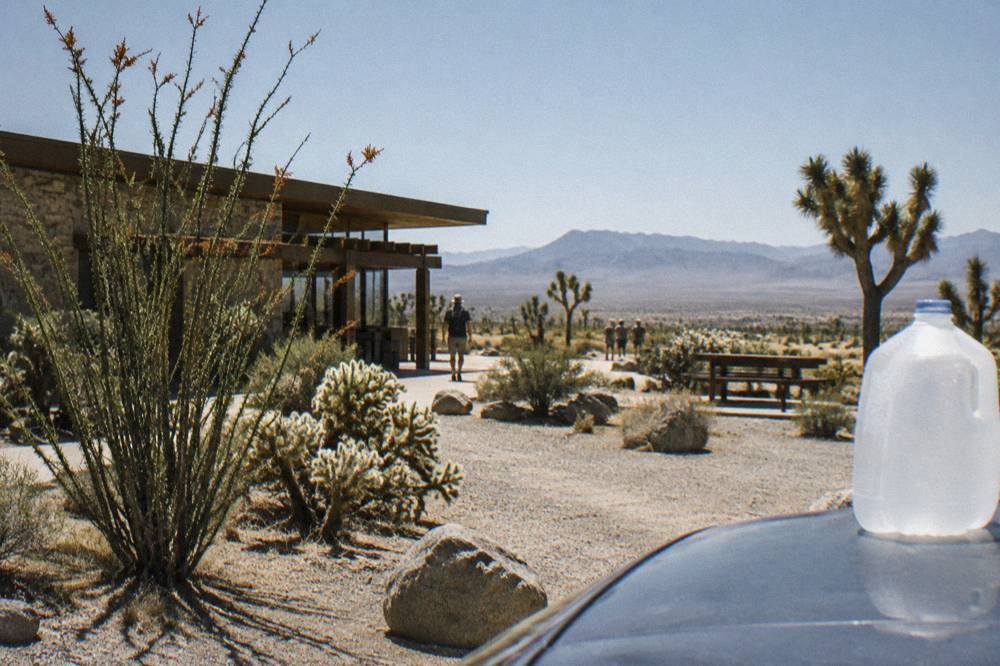
For current trail, road and weather status, the park maintains its own conditions page, and status changes with the season. The durable move for a one day visitor is structural: put the walking in the morning and the evening, and let the middle of the day be the scenic drive. Pinto Basin Road south toward the Cholla Cactus Garden is a good midday stretch, since it rewards the windshield more than the boots.
Where Should You Be At Sunset?
Be at a west-facing viewpoint for sunset, with Keys View the classic choice, and arrive before the light turns. Sunset is also the moment a day trip from farther away pays off, since the LA-based sunset and stargazing trips are built around exactly this window. Locally, the same hours belong to any viewpoint along the park's western edge.
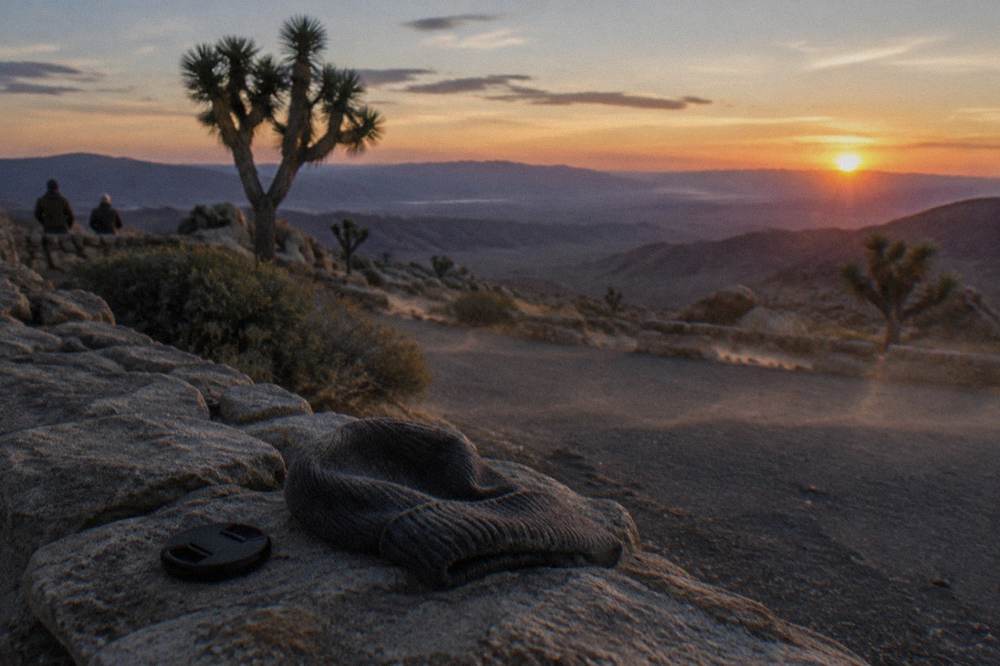
Keys View looks out over the Coachella Valley, and it is the park's designated panorama spot; the drive there and back fits comfortably in the last daylight hours of a Park Boulevard day. The light on the rocks in the final hour before sunset is what photographers come for, and the cooling air makes a short walk pleasant again after the midday heat. Bring a layer: lows around 50 F are typical in spring and fall, and winter nights drop to near or below freezing.
If your day started in Los Angeles, there is a purpose-built option. The Sunset Stargazing day trip from LA runs 10 to 12 hours from $299 per person and includes the park entrance fee, which most listings on this site do not. For readers weighing that against driving themselves, our LA day trip guide works through the tradeoffs in detail.
One rule shapes the whole evening: red lights only. The park asks night visitors to avoid white flashlights, headlamps and phone screens, because eyes need 20 to 30 minutes to adapt to the dark and one white beam resets that clock for everyone nearby. Get your headlamp switched to red, or your phone dimmed, before you leave the sunset viewpoint.
Where Should You Stargaze After Dark In Joshua Tree?
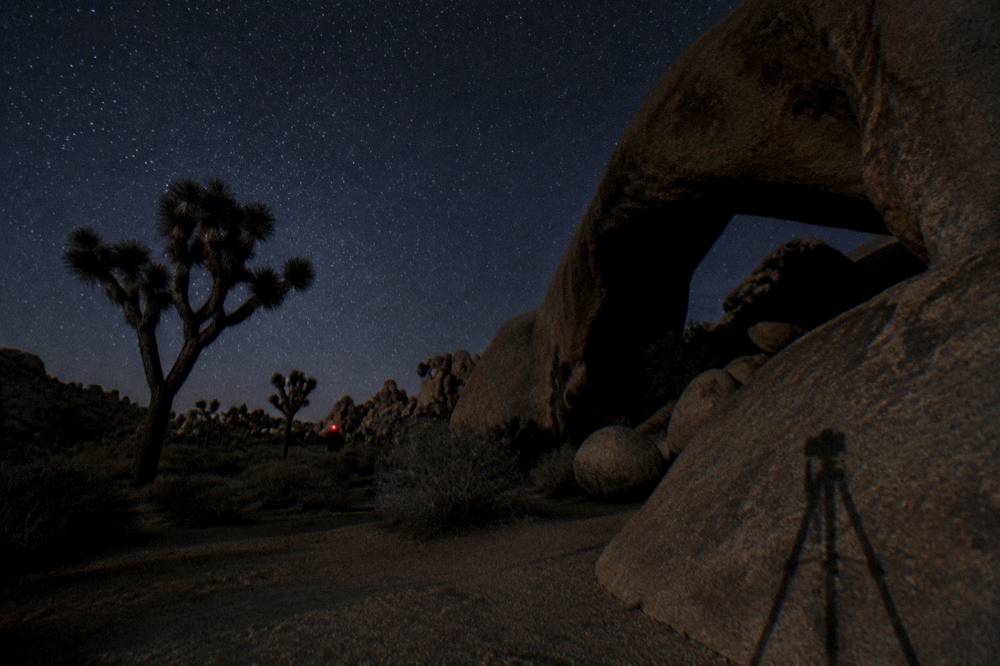
Use one of the park's four designated stargazing areas: the Quail Springs, Hidden Valley, Cap Rock or Ryan Mountain parking lots, where the park permits staying after dark near your vehicle. The darkest skies in the park are around Cottonwood Campground and along Pinto Basin Road between the Cholla Cactus Garden and Cottonwood, which has the least traffic. Stay within about 20 ft of your vehicle and use red light only.
Those four lots and the stay-near-your-vehicle rule come from the park's stargazing page, which also notes that bright moonlight reduces what you see, so a moonless night is the one to plan around. The Milky Way's galactic center is at its best on moonless summer nights, and our milky way season guide covers that calendar for readers planning further ahead. Layer up, bring a chair and water, and expect the temperature to fall fast.
If you would rather have an astronomer, telescope and blankets handled for you, two evening sessions run on private land just outside the park in Yucca Valley, not inside the national park, and no park pass is needed for either. The Professional Stargazing Night runs from $200 per person for 2 hours, rated 4.9 across 179 reviews, and includes telescopes, binoculars, loungers, blankets, hot drinks and an astronomer. James, a guest, put it simply: "Everyone was very awesome. Very knowledgeable and very nice. We had a great time." A second Stargazing Experience runs from $189 per person for 2 hours from the Joshua Tree area, with too few reviews for a star claim.
There is also an in-park night option on foot. The Starlight Hike, from $95 per person for 2 hours, includes access to a trailhead inside the park and needs no review pool to justify; check the listing for current scheduling. Whichever you choose, the red-light rule and the 20-minute eye adaptation apply inside the park either way.
What Should You Pack For A Full Day In The Park?
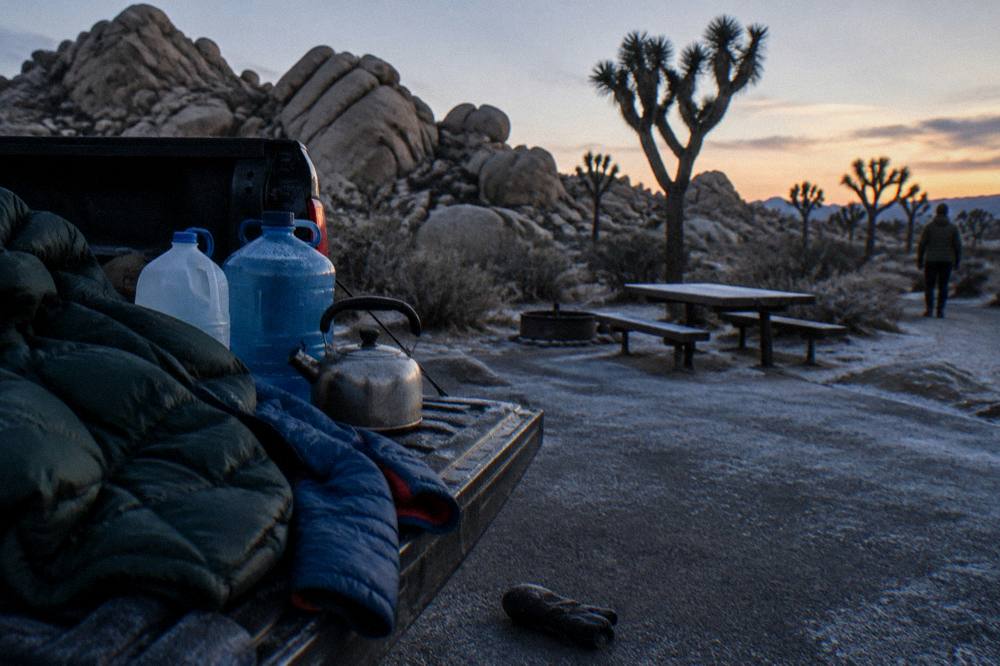
Pack all the water and food you will consume, sun protection, layers for the temperature swing, and a red light for the evening. There are no services inside the park: no gas, no food, no water, no stores. Cell reception is very limited, so download maps and passes before you arrive, since digital passes must be printed or saved to your phone ahead of time.
The temperature swing is the packing problem most visitors underestimate. A spring day can run from a 50 F dawn to an 85 F afternoon and back down fast after sunset. Winter days sit around 60 F with nights near or below freezing. One day in the park, ending after dark, crosses all of those bands. Our what to wear and pack piece goes deeper on clothing; the table below is the one day version.
| Category | What To Bring | Why |
|---|---|---|
| Water and food | More water than you think, salty snacks, a full meal | Nothing is sold inside the park |
| Sun | Hat, sunscreen, sunglasses | No shade on trails or at pullouts |
| Layers | Warm jacket, long sleeves for evening | Lows near 50 F in spring and fall, colder in winter |
| Night | Red-light headlamp or red filter | White light resets night vision for everyone |
| Navigation | Downloaded offline map, printed or saved pass | Very limited cell reception in the park |
| Vehicle | Full tank of gas | No gas stations inside the park |
How Much Does A One Day Joshua Tree Trip Cost?
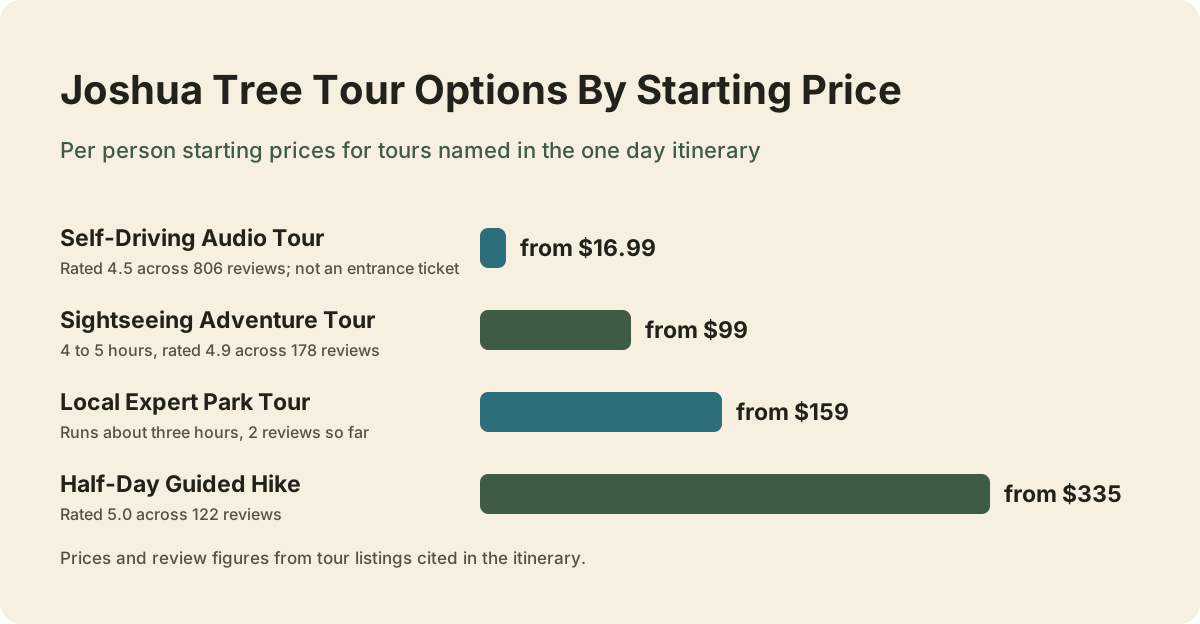
The fixed pieces are entrance and whichever tour you slot in. Entrance is $30 per vehicle split across your carload, or $15 per person for a guided-tour guest without a pass. The Self-Driving Audio Tour adds from $16.99 per person, the Sightseeing Adventure Tour from $99, and the Local Expert Park Tour from $159, all per person from prices.
Those are the floor numbers from the listings, all "from" prices, and the entrance figures come from the park's fees page. The cheapest guided day is the audio tour plus your own driving; the mid option is the sightseeing tour; the stargazing session at from $200 per person is the evening splurge. What the table cannot price is your car, your food or your lodging, and this site does not total those, since they vary too much to state honestly.
| Option | From Price | Basis | Duration | Rating And Pool |
|---|---|---|---|---|
| Self-Driving Audio Tour | $16.99 | per person | 3 to 4 hours | 4.5 across 806 reviews |
| Sightseeing Adventure Tour | $99 | per person | 4 to 5 hours | 4.9 across 178 reviews |
| Local Expert Park Tour | $159 | per person | 3 hours | 2 reviews, too few for a star claim |
| Half-Day Guided Hike | $335 | per person | 4 hours 30 minutes | 5.0 across 122 reviews |
| Professional Stargazing Night | $200 | per person | 2 hours | 4.9 across 179 reviews |
Note what most listings exclude: the guided-tour guest entrance fee of $15 per person unless you hold a valid pass, gratuities, and in some cases food. The stargazing sessions on private land are the exception on entrance, since they sit outside the park and need no pass at all.
What Are The Rules That Shape A One Day Visit?
The rules that most affect a one day visit are the pet limits, the drone ban, the fire rules and the vehicle restrictions. Pets are not allowed on trails, in the backcountry or in park buildings, even carried, and must stay within 100 ft of roads, parking and campgrounds on a leash of 6 ft or less. Drones are prohibited, and ATVs, UTVs, OHVs and dirt bikes are not allowed in the park.
Campfires are only allowed in designated fire rings, and the annual seasonal restrictions ban wood fires in the summer window the park publishes each year. Climbing is permitted, and bolting requires a permit; if you book a climbing guide, the park requires guides to hold a permit to work inside it, which is a fair question to ask any operator before you book. All of these are published on the park's own pages, and the pets page is the one day visitors most often need.
One more rule shapes the evening: "paint with light," the photography trick of sweeping a bright light across a scene during a long exposure, is not permitted for night photography in the park. It falls under the same logic as the red-light rule, protecting everyone's night vision at the designated stargazing areas.
| Rule | What It Means For Your Day |
|---|---|
| Pets on leash, off trails only | A dog can ride along to pullouts but not join any walk |
| No drones | No aerial photos, launch or landing is prohibited |
| Campfires in rings only | No fires outside designated campground rings |
| Red light only at night | White beams and phone screens reset everyone's night vision |
| Stay near your vehicle at stargazing areas | The designated lots are for staying within about 20 ft of your car |
Common Questions About A One Day Joshua Tree Itinerary
Can You See Joshua Tree National Park In One Day?
Yes. One day covers the Park Boulevard corridor, a visitor center stop, a sunset viewpoint and a designated stargazing area, which is the core experience. It does not allow long backcountry hikes or a relaxed pace at every formation, so enter early and end after dark.
Do I Need A Reservation To Enter Joshua Tree National Park?
No. There is no timed-entry or advance reservation for park entry. You buy or show an entrance pass at the booth, and if the booth is closed you may be asked to show a pass or pay on the way out. Campgrounds and Keys Ranch tours are the exceptions that do require reservations.
What Time Should I Enter The Park For A One Day Visit?
Early morning. The park is open 24 hours a day, so you can enter before the booths are busy, and the coolest air and thinnest crowds both come before mid-morning. The visitor centers open at 7:30 am in the town of Joshua Tree and 8 am in Twentynine Palms.
Is One Day Enough For Stargazing In Joshua Tree?
Yes, and it is the natural end of a one day visit. The park keeps four designated stargazing areas, the Quail Springs, Hidden Valley, Cap Rock and Ryan Mountain lots, and the darkest skies sit around Cottonwood and along Pinto Basin Road. Use red light only and stay near your vehicle.
Can You Do Joshua Tree In One Day Without A Tour?
Yes. The park's main sights are on paved roads reachable by any car, and a self-driving audio tour from $16.99 per person adds narration without a guide's schedule. A guided tour mainly buys route decisions, heat timing and interpretation, which matters more on a tight schedule than a long one.
How Much Does Entrance Cost For One Day?
Entrance is $30 per private vehicle for a 7-day permit, $25 for a motorcycle, or $15 per person on foot or bicycle, with children under 16 free. Guided-tour guests pay the $15 per person fee at the booth unless they hold their own valid pass, and the two private-land stargazing sessions outside the park need no pass.
A single day in Joshua Tree National Park, run from an early entrance to a red-lit parking lot under the Milky Way, is not a compromise version of the park. It is the version the park is built for: rocks in the morning light, a windshield tour through the heat, low sun on the ridgelines, and a sky that earned its International Dark Sky Park designation. Pack the water, check the park's own conditions page before you drive, and let the day run long. For everything else, Joshua Tree Park Tours keeps the full roster of guided options, from the $16.99 audio tour to the astronomer-led night sessions.