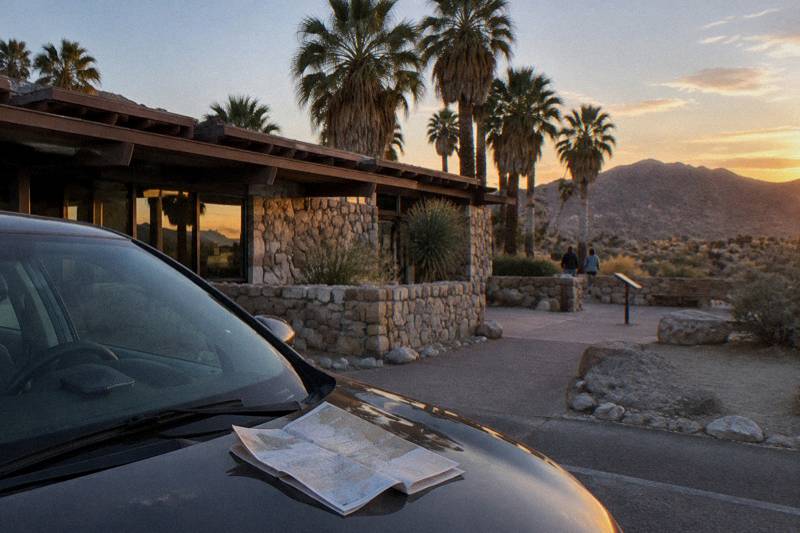
Free Things To Do In Joshua Tree
Joshua Tree National Park is not free to enter, but once you are inside, almost everything worth doing costs nothing extra. Here is what is genuinely free, what is not, and the handful of days each year when the gate itself is free.
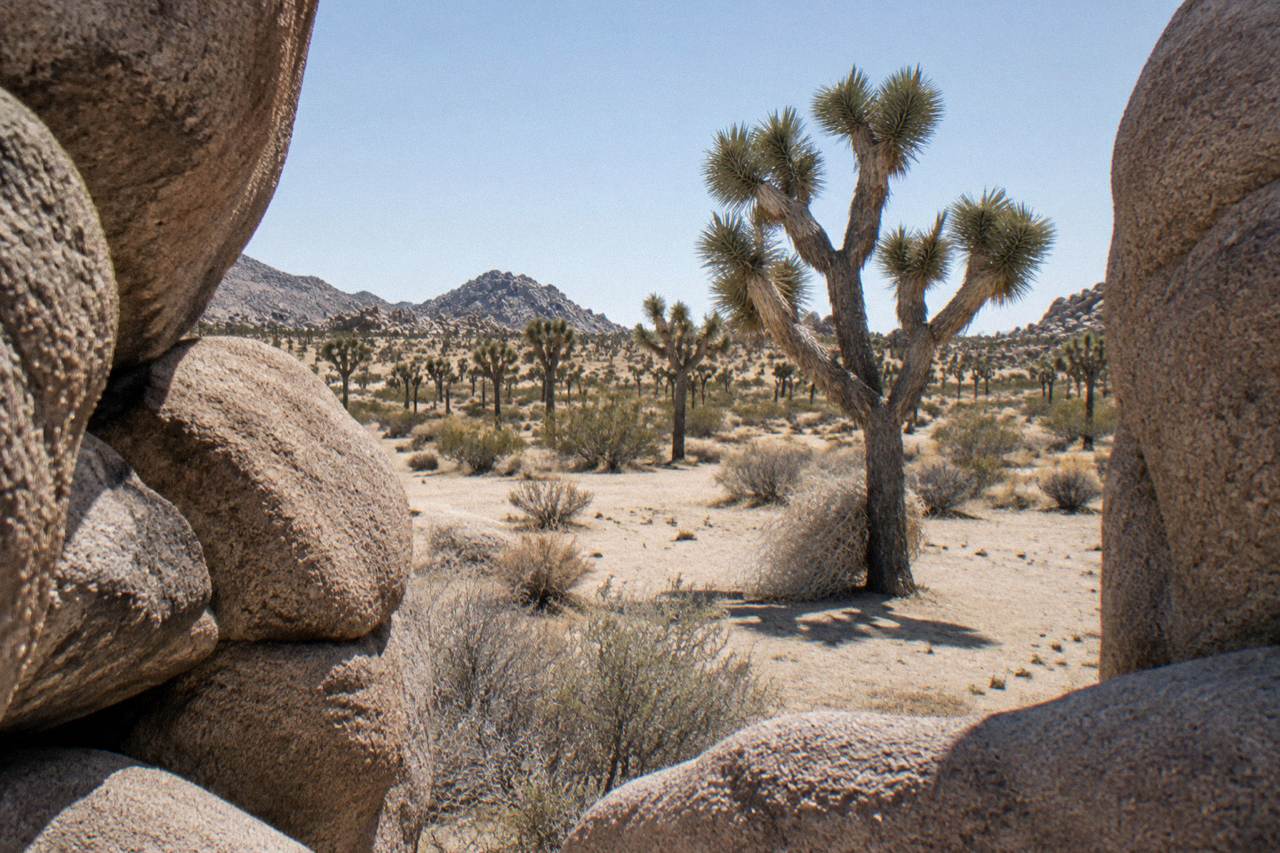
Short answer
Entry is not free: a private vehicle pays $30 for 7 days and a person on foot or bicycle pays $15. But kids under 16 enter free on foot or by bike, ranger programs cost nothing, all trails are free once inside, and the park waives entrance fees on several listed days in 2026.
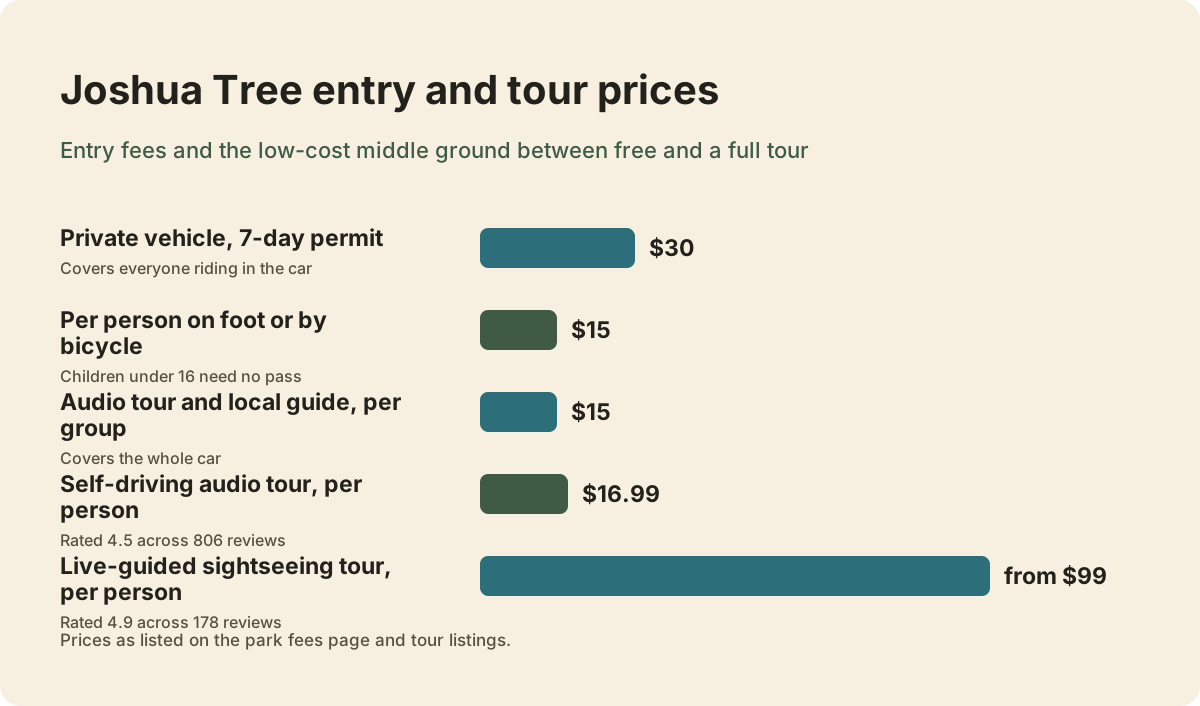
The most common budget question about this park starts with a false premise. Search "free things to do in Joshua Tree" and most results quietly skip over the gate: Joshua Tree National Park charges every visitor who enters, $30 per private vehicle for a 7-day permit or $15 per person arriving on foot or by bicycle, as the park's own fees page states plainly. Nothing inside the boundary is "free" in the way a city park is free.
That said, the park is unusually generous once you are through the gate. Trails cost nothing beyond entry. Ranger programs cost nothing and need no reservation. Four designated stargazing parking lots cost nothing extra on a night you have already paid to be inside. Children under 16 need no pass at all when they arrive on foot or by bicycle. And on a published handful of days each year, the entrance fee itself is waived.
This guide separates the genuinely free from the quietly billed. It also names the low-cost middle ground, because a $15 per group audio tour or a from $99 per person sightseeing van tour sits between "free" and "expensive" in a way that changes the math for a lot of visitors.
Is Anything In Joshua Tree Actually Free?
No activity inside the park is free in absolute terms, because entry itself always costs money or requires a valid pass, except on the park's published fee-free days or for children under 16 arriving on foot or by bicycle. Once entry is settled, every trail, viewpoint, ranger program and stargazing lot adds nothing to the bill. The honest framing is "free after entry."
Start there, because most listicles do not. A page titled "20 free things to do in Joshua Tree" that sends you to Hidden Valley or Cap Rock is describing things that cost exactly your entrance fee, no more. That is still a real saving compared with a park where the marquee activities are separately ticketed, but it is not free.
The true zero-cost categories are narrower than they look:
- Walking or cycling in for children under 16, who need no pass.
- Attending ranger programs, which are free and require no reservation.
- Entering on the 2026 fee-free days, for US citizens and residents.
- Everything inside, once a pass is paid or held.
The park publishes all of this on its own pages, and the fee-free day list is worth planning a trip around if your dates are flexible. For a deeper look at the passes themselves, the entrance fee and passes guide breaks down which annual pass pays for itself fastest.
What Are The Free Things To Do In Joshua Tree National Park?
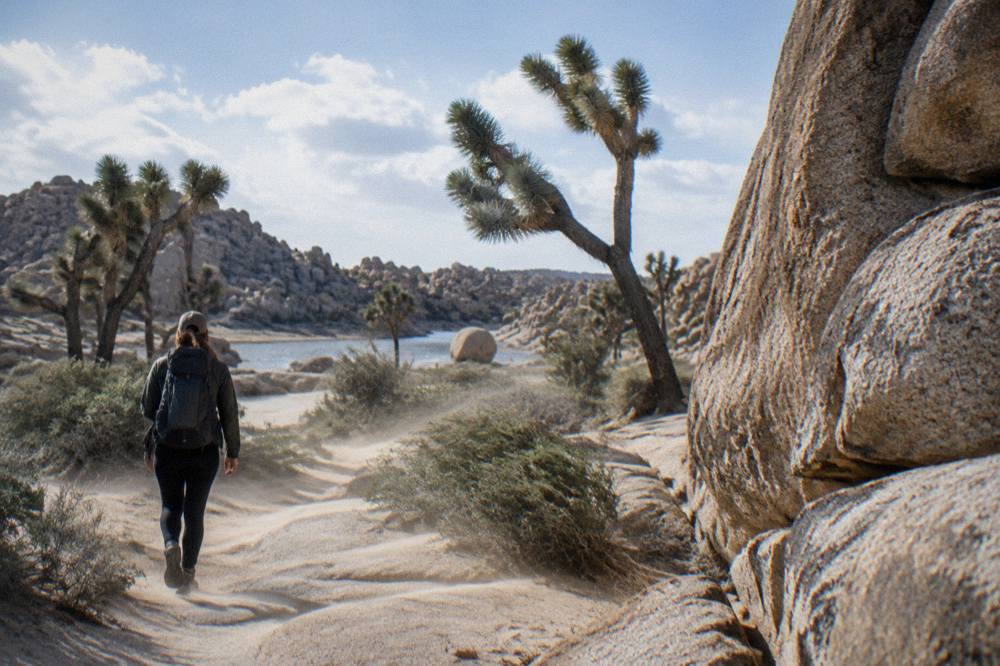
Once inside, the free list is long: every hiking trail, every roadside viewpoint from Keys View to Skull Rock, the four designated stargazing areas, ranger-led walks and talks, all three visitor centers plus the Black Rock Nature Center, and simply driving the paved loop roads. None of these carries a separate ticket, tour fee or reservation.
The trails are the headline. Hidden Valley, Cap Rock, Cholla Cactus Garden and the dozens of other routes described in the best hikes guide cost nothing beyond the pass that got you through the gate. No permits, no quotas, no booking window. The same applies to the roadside pullouts along Park Boulevard and Pinto Basin Road, which is where most of the park's famous photographs are actually taken.
Ranger programs are the most underused free item. The park runs them throughout the year, and the verified facts are blunt about access: ranger programs are free and need no reservation. Schedules live on park bulletin boards, the park calendar and at the visitor centers, so the practical move is checking the board on the morning you arrive.
Then there is the night. Joshua Tree is an International Dark Sky Park, and the park maintains four designated stargazing parking lots: Quail Springs, Hidden Valley, Cap Rock and Ryan Mountain. If you have already paid for a day pass, those lots are yours after dark too, since the park is open 24 hours a day, every day of the year. The stargazing guide covers the red-light etiquette and the darkest corners of the park in detail.
For visitors who want structure without a live guide, there is a cheap third path between free and a full tour. The site's Joshua Tree self-guided audio tours category collects GPS-narrated options that run from $15 per group on the listing for the Audio Tour and Local Guide, a price that covers the whole car rather than each person. One of them, the Journey Into Joshua Tree audio tour, is rated 4.2 across 90 reviews and works through an app that plays commentary automatically based on your route. A guest review of it reads: "Very fun and very easy to use. It's automatic and provided commentary based on the route we were taking."
The band above is the honest middle of the market: one $15 per group audio option, one $16.99 per person self-driving audio tour rated 4.5 across 806 reviews, and one from $99 per person live-guided sightseeing tour rated 4.9 across 178 reviews for visitors who decide a human guide is worth the jump. All three meet different budgets for the same park.
Which Days Is Joshua Tree National Park Free To Enter?
The park waives entrance fees on eight listed days in 2026: February 16, May 25, June 14, July 3 to 5, August 25, September 17, October 27 and November 11, for US citizens and residents only. Nonresidents pay the regular fee on those days. No timed-entry reservation is ever needed to enter the park.
That list comes straight from the fees page, and the citizen-and-resident condition is the detail most summaries drop. The fee waiver applies to admission only; campgrounds, Keys Ranch tours and any commercial tour you book still charge normally. A fee-free day does not make a campsite free, and it does not make a guided outing free.
| 2026 fee-free day | Date | Who gets in free |
|---|---|---|
| Presidents Day | February 16 | US citizens and residents |
| Memorial Day | May 25 | US citizens and residents |
| Flag Day / President's birthday | June 14 | US citizens and residents |
| Independence Day weekend | July 3 to 5 | US citizens and residents |
| NPS birthday | August 25 | US citizens and residents |
| Constitution Day | September 17 | US citizens and residents |
| Theodore Roosevelt's birthday | October 27 | US citizens and residents |
| Veterans Day | November 11 | US citizens and residents |
Two practical warnings. First, fee-free days are crowded days, and the park already flags holidays and October-to-May weekends as its busy periods. Second, the waiver does not extend to anything you book separately. If you are weighing a fee-free day against a quieter paid day with a tour attached, the paid day is often the better experience.
Can You Get Into Joshua Tree For Free Without A Car?
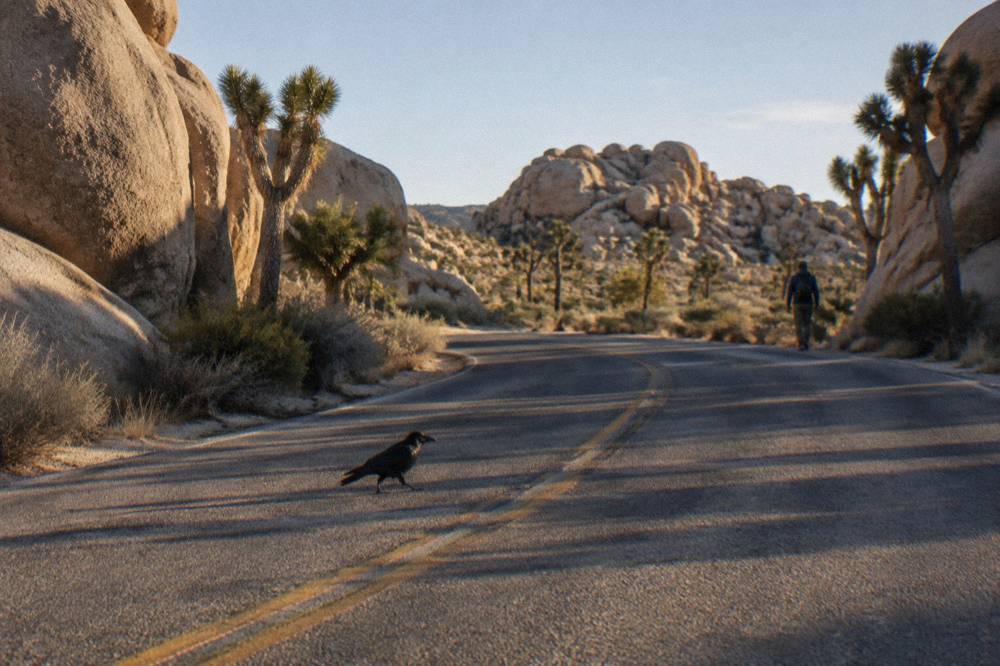
Partly. Children under 16 need no pass when entering on foot or by bicycle, and anyone 16 or older pays $15 per person for a 7-day permit to walk or cycle in. There is no free adult entry on foot, and vehicles, motorbikes and bicycles must stay on designated roads, so cycling in is a legal but hot and distance-heavy option.
The per-person fee is the cheapest legal adult entry into the park, and the child exemption is real: the fees page states that children under 16 need no pass. A family arriving on foot with two adults and three kids under 16 pays $30 total, the same as one vehicle, but a group of four adults cycling in pays $60, more than a car. The math only favors pedestrians and cyclists with children in the mix.
Practical honesty matters here. The park has no water in its interior, summer highs typically run around 100 F or more, and the entrances sit a long way from the trailheads people actually walk. Walking in from the town of Joshua Tree to reach Hidden Valley is a serious undertaking in heat, not a money-saving stroll. The park's own first-time visitors page is direct about carrying ample water and avoiding midday activity in summer.
For most budget visitors, the honest answer is that the $30 vehicle pass, shared across everyone riding in the car, is already the cheapest realistic entry. A full vehicle pays one $30 fee for seven days of access, which no tour, shuttle or workaround beats.
What Free Ranger Programs Does The Park Offer?
Ranger programs at Joshua Tree are free, require no reservation, and run throughout the year, with schedules posted on park bulletin boards, the park calendar and at visitor centers. Topics range from guided walks to astronomy sessions, and none of them adds a cent to your entrance fee, unlike the ranger-led Keys Ranch tour which costs $10 to $20 per visitor and does need a reservation.
That last distinction is the one to catch. Almost everything rangers do is free, but the Keys Ranch tour is a ticketed exception, reservation required, $10 to $20 per visitor. Everything else on the board, walks, talks and astronomy programs, is open to anyone holding an entry pass.
The astronomy programs deserve a special mention for budget travelers. The park runs night sky programs during the year, and they pair naturally with the four designated stargazing lots. If your trip lands on a program evening, you get a ranger with expertise, and you paid nothing beyond entry. Check the bulletin boards at the Joshua Tree Visitor Center or the Twentynine Palms visitor center when you arrive, since schedules shift through the seasons.
One planning note: program schedules are not published far in advance on a single tidy page, so build flexibility into your itinerary rather than promising the family a specific Tuesday talk. The things to do guide covers how to structure days around the free options.
Where Can You Stargaze For Free In Joshua Tree?
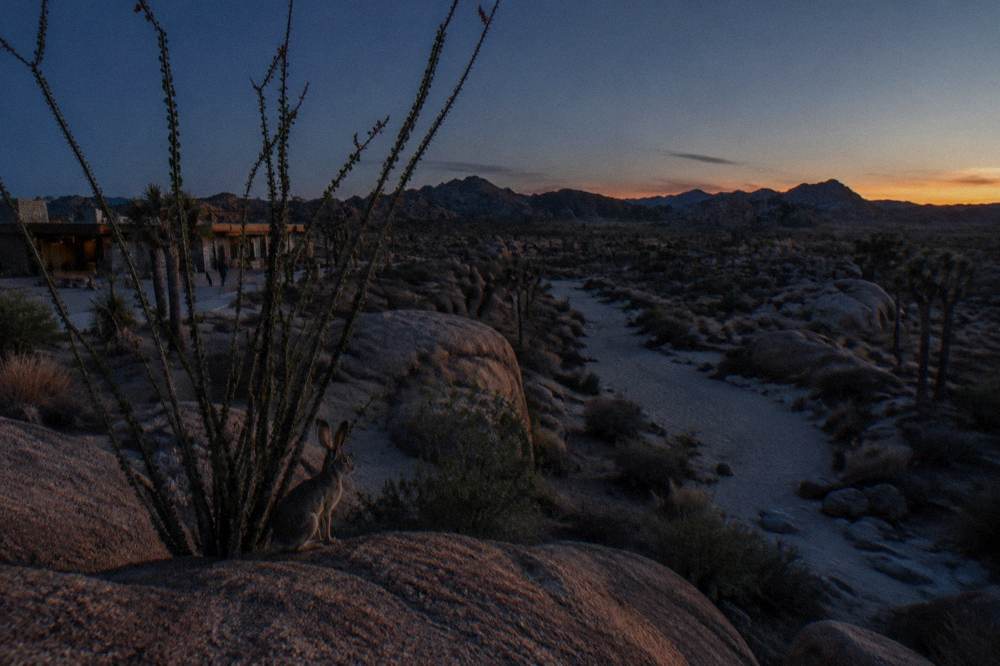
The park maintains four designated stargazing parking lots, Quail Springs, Hidden Valley, Cap Rock and Ryan Mountain, that cost nothing beyond your entrance pass, and the park stays open 24 hours a day. Visitors should stay awake and within 20 feet of their vehicle, use red light only, and expect 20 to 30 minutes for eyes to adapt.
This is the single best free experience in the park, and it is genuinely free after entry rather than nominally free. The park's stargazing page names the four lots, the darkest campground (Cottonwood), and the darkest stretch of road, Pinto Basin Road between the Cholla Cactus Garden and Cottonwood, where roadside pullouts see the least traffic.
The etiquette rules are published and worth following. Red light only, no white flashlights or phone screens, because eyes need 20 to 30 minutes to fully adapt. Layer up, bring a chair and water, and avoid bright moonlight, which reduces the stars you can see. The park also prohibits "paint with light" techniques for night photography.
Two boundaries to keep straight. The park itself is the designated International Dark Sky Park, and its lots are inside the boundary, so your pass applies. The commercial stargazing sessions on this site, including the Professional Stargazing Night from $200 per person, run on private land just outside the park in Yucca Valley and are a different product with telescopes and an astronomer. Free park viewing means your own eyes at a designated lot; paid means equipment and expertise outside the boundary.
If you want the sky explained while you stand under it, the free ranger astronomy programs covered earlier are the no-cost route, and the Milky Way season guide explains when the galactic core is visible.
Are The Visitor Centers And Trails Free?
Yes, in the free-after-entry sense. All four visitor contact points, the Joshua Tree Visitor Center, the Twentynine Palms visitor center, the Cottonwood Visitor Center and the Black Rock Nature Center, cost nothing to enter and sell passes, and every trail in the park carries no separate fee, permit or reservation beyond your entrance pass.
The visitor centers are more than restrooms and maps. All of them sell entrance passes, which matters because digital passes must be printed or saved to your phone before arriving, and connectivity inside the park is very limited. The Black Rock Nature Center in Yucca Valley sits at a trailhead-rich corner of the park and is the natural first stop for anyone entering from the west.
| Visitor center | Location | Typical hours |
|---|---|---|
| Joshua Tree Visitor Center | 6554 Park Blvd, Joshua Tree | 7:30 am to 5 pm daily |
| Joshua Tree NP Visitor Center | 6533 Freedom Way, Twentynine Palms | 8 am to 5 pm daily |
| Cottonwood Visitor Center | Pinto Basin Road, about 7 miles north of I-10 exit 168 | 8:30 am to 4 pm daily |
| Black Rock Nature Center | 9800 Black Rock Canyon Rd, Yucca Valley | 8 am to 4 pm, closed 11 am to noon; reduced summer hours |
Trails are the park's real free inventory. No day-use permits, no quotas, no booking. The only standing restrictions are seasonal and published as annual rules: the park closes the 49 Palms Oasis Trail from June 1 to September 30 for heat, and summer brings a campfire ban from June 15 to October 1. For current trail and road status, which changes, the park's own conditions and alerts pages are the source to check before any visit.
One caution for the free-trail plan: the park has no gas stations, restaurants, grocery stores or water inside its boundaries. The "free day" still requires a full water supply and fuel from the gateway towns. Budget the logistics, not just the fees.
When Does A Paid Tour Make Sense In Joshua Tree?
A paid tour earns its price when it removes a decision you would otherwise get wrong: which trail suits your fitness, when to start to beat the heat, where to park, and what you are looking at. Free self-guiding works well for confident planners; a guide or audio tour pays off for first-timers, tight schedules, or anyone who wants the park explained rather than just visited.
The honest comparison is not "free versus paid" but "free with your own effort versus paid with someone else's." A guide handles route selection, heat timing and interpretation in one package. The half-day guided hike from $335 per person, rated 5.0 across 122 reviews, is the full version of that: a guide who picks the trail to suit the group. A guest, Cynthia, described it as "like taking a masters class in one of the most beautiful places in the US."
Cheaper structure exists. The sightseeing adventure tour from $99 per person, rated 4.9 across 178 reviews, covers the highlights in 4 to 5 hours with a guide and transport from the Joshua Tree area, and a guest review credits the guide with knowledge of "the terrain, flora and fauna and geographic features." It is the format most first-time visitors actually want.
And the cheapest structure of all is the audio tour, which is why this site's featured pick for budget readers is the Journey Into Joshua Tree audio tour at from $15 per group. It turns the car you already paid $30 to bring in into the narrated vehicle, works offline with GPS, and lets you stop wherever the landscape wins. Check availability if that format fits your trip.
| Option | Typical cost | What you get | Best for |
|---|---|---|---|
| Self-guided, free after entry | $30 per vehicle, 7 days | Trails, viewpoints, stargazing lots, ranger programs | Confident planners |
| Audio tour | From $15 per group | GPS narration, route guidance, stop anywhere | Budget first-timers with a car |
| Self-driving audio tour | From $16.99 per person | App-based narration, planning tools, hidden gems | Solo travelers who want structure |
| Sightseeing van tour | From $99 per person | Live guide, transport, water, 4 to 5 hours | Visitors who want it all handled |
| Half-day guided hike | From $335 per person | Guide-selected trail, daypack, water | Hikers who want expertise |
The table is the decision in one view. The jump from free to $15 per group is small; the jump from $15 to a live guide is the real spending decision, and it depends less on money than on how much you value having someone else make the calls.
How Do You Plan A Full Free Day In Joshua Tree?
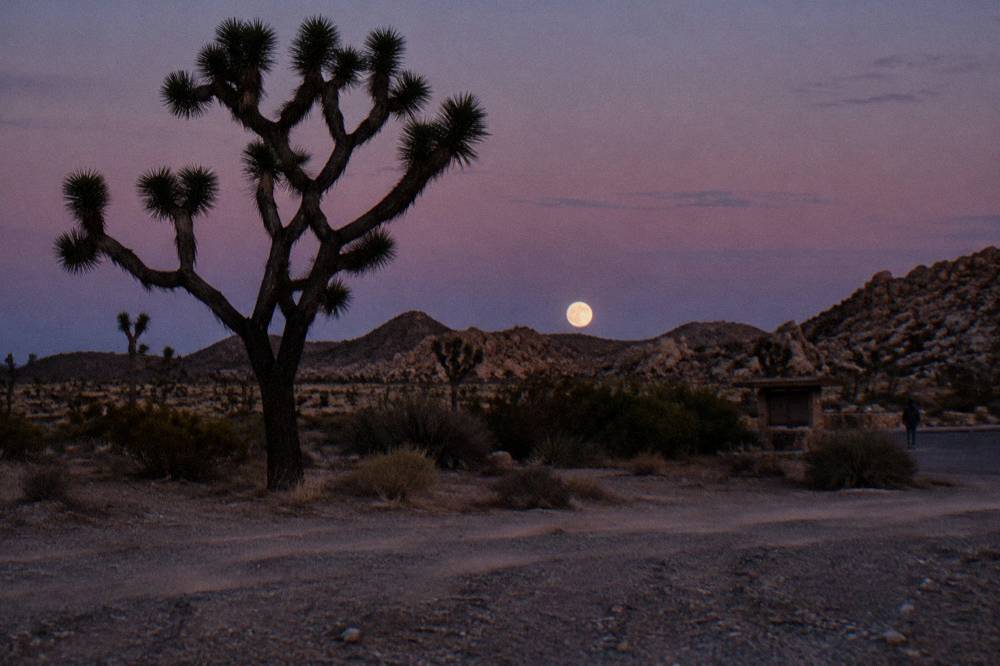
Enter early with a 7-day pass already bought, walk a short trail such as Cap Rock or Hidden Valley before the midday heat, picnic at a pullout you have already scouted, spend the afternoon at a visitor center or on a longer trail, then return to a designated stargazing lot after dark. Every step of that day costs nothing beyond the entry pass.
Timing is the whole trick. The park's guidance is consistent: carry ample water, avoid midday activity in summer, and check forecasts. Spring and fall bring typical highs of 70 to 85 F, winter days sit around 60 F with freezing nights, and summer regularly tops 100 F. A free day planned badly in July is a safety problem, not a bargain.
The stargazing finish deserves the most planning. Arrive at Quail Springs, Hidden Valley, Cap Rock or Ryan Mountain before full dark, stay within 20 feet of your vehicle, and keep lights red. The park stays open around the clock, and the fee booth is sometimes closed at night, in which case you may be asked to show a pass on the way out. Nothing about the evening costs more than the pass you bought at dawn.
For visitors who want that day narrated without paying guide prices, the self-driving audio tour from $16.99 per person, rated 4.5 across 806 reviews, is the widely used option, with one guest calling it "fun & easy to do at our own pace." It pairs naturally with a free-day plan because you keep your own schedule entirely.
The box above is the same logic in one product: narration for the drive, freedom to stop, and a per-person price under twenty dollars. Whether that or the $15 per group option suits you better depends mostly on group size, and both are cheaper than a single night of the commercial stargazing sessions on private land outside the park.
What Should Budget Travelers Know Before Relying On Free Options?
Budget visitors should know three things: the entry fee is unavoidable outside fee-free days, the park has no water, food or fuel inside so supplies come from gateway towns, and the free experience depends heavily on your own planning because there is no shuttle, no in-park transport and very limited cell reception to rescue a bad plan.
The free day is a planning exercise, not a passive one. Without a guide or narration, you choose the trail, the timing and the parking, and the park's busiest periods, holidays and October-to-May weekends, fill trailhead lots early. The trade is real: the same knowledge a guide supplies is available free from rangers, bulletin boards and the visitor centers, but you have to go collect it.
Water is the non-negotiable line item. There is none in the park interior. Whatever you saved on tours, spend some of it on more water than you think you need, especially between May and September. The park's safety guidance is explicit about recognizing heat illness and avoiding midday exertion in summer.
Finally, keep the fee mechanics straight. A 7-day vehicle pass covers everyone riding in that one non-commercial vehicle, so the per-person cost falls as the car fills. Frequent visitors should compare the $55 Joshua Tree annual pass against repeat $30 payments, and the best time to visit guide helps with picking dates that make the pass go further.
Is A Free Joshua Tree Trip Better Than A Paid One?
Neither is better; they are different products. A free-after-entry trip gives you the same trails, the same dark skies and the same scenery as any guided visitor, but you supply the interpretation, the timing decisions and the route knowledge. A paid tour buys someone else's expertise and removes the risk of spending your one day in the park on the wrong trail at the wrong hour.
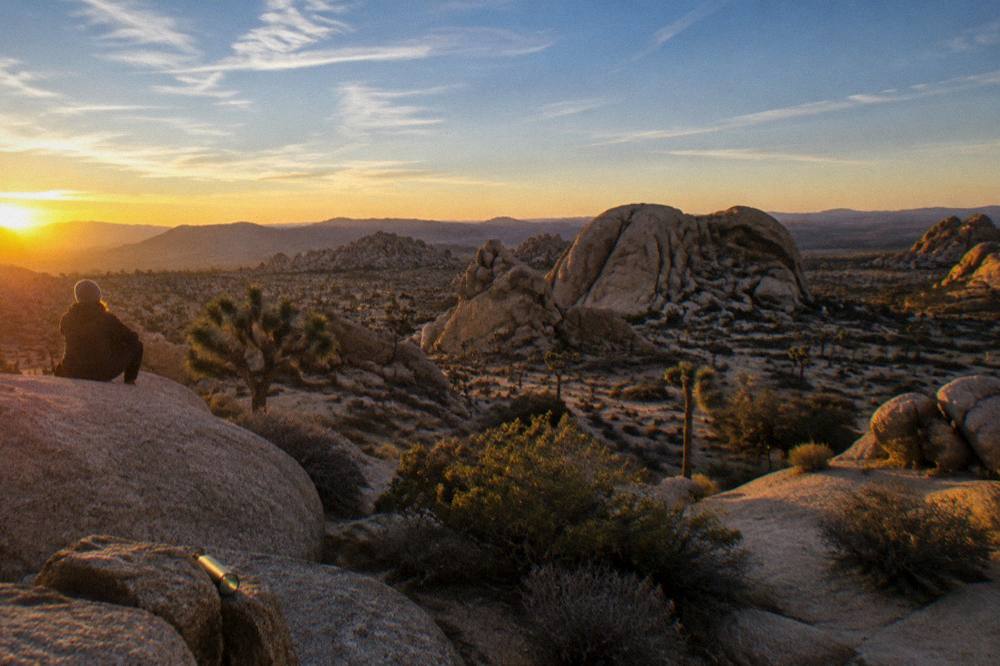
The framing this site uses, and the honest one, is that paid is not better than free, it is easier. The visitor who walks Cap Rock at sunset with a map and a thermos gets the same sunset as the guest on a from $249 per person offroad 4x4 tour, rated 4.9 across 471 reviews. What the 4x4 guest also gets is five hours of a professional guide's commentary and access to unpaved backcountry roads most rental agreements forbid anyway.
For many readers the free plan is the right plan, full stop. For others, the $15 per group audio tour is the smallest possible payment that converts a drive into a narrated experience, and this Joshua Tree Park Tours guide exists to make that choice explicit rather than pushy. The park's own commercial rules even guarantee a floor of quality on guided products: guides leading trips in the park must hold a park permit under the commercial use authorization system, as the park's commercial authorization page explains.
Decide based on your trip, not on the word "free." A solo returning visitor needs nothing. A family with one day, one shot and three kids needs either very good planning or a guide, and both are legitimate ways to spend the day.
Common Questions About Free Things To Do In Joshua Tree
Is Joshua Tree National Park free to enter?
No. Entry costs $30 per private vehicle for a 7-day permit, $25 per motorcycle, or $15 per person on foot or bicycle. Children under 16 need no pass when entering on foot or by bicycle.
What days is Joshua Tree free?
The park waives entrance fees on the 2026 fee-free days: February 16, May 25, June 14, July 3 to 5, August 25, September 17, October 27 and November 11, for US citizens and residents only.
Are the hiking trails in Joshua Tree free?
Yes, once you have paid entry. Every trail in the park carries no separate fee, permit or reservation. The only standing restriction is seasonal, such as the 49 Palms Oasis Trail closure from June 1 to September 30 each year.
Can you stargaze in Joshua Tree for free?
Yes, at the four designated stargazing parking lots, Quail Springs, Hidden Valley, Cap Rock and Ryan Mountain, which cost nothing beyond your entrance pass. Use red light only and stay within 20 feet of your vehicle.
Are ranger programs in Joshua Tree free?
Yes. Ranger programs are free and require no reservation. The exception is the ranger-led Keys Ranch tour, which costs $10 to $20 per visitor and does require a reservation.
Is there a cheap alternative to a guided tour in Joshua Tree?
Yes. Audio tours run from $15 per group on the listing for a GPS-narrated app tour, or from $16.99 per person for a self-driving audio tour rated 4.5 across 806 reviews. Both cost far less than a live-guided outing.